Bulgarian split squat alternatives
A dumbbell split squat with both feet on the floor is a useful Bulgarian split squat alternative when the rear-foot bench causes trouble. Reverse lunges and step-ups provide other ways to train one side at a time, while a single-leg leg press adds machine support. A goblet squat can fill a general leg slot when a bilateral exercise fits better.
The Bulgarian split squat uses a rear-foot support while the front leg performs much of the work. Removing that support changes the balance and available movement, but it does not remove the possibility of useful leg training.
Choose according to the actual obstacle. A missing bench, limited balance and insufficient dumbbell weight are different problems. Replacing the exercise with something you can set up consistently is more useful than insisting that every workout contain an elevated rear foot.
Choose Bulgarian split squat alternatives by the obstacle
| Your goal | Alternative | Equipment | Main tradeoff |
|---|---|---|---|
| Remove the rear-foot support | Dumbbell split squat | Dumbbells and floor | Both feet remain on the floor |
| Use a moving split stance | Reverse lunge | Floor and optional dumbbells | Step length must remain consistent |
| Use a stable raised platform | Step-up | Platform and optional dumbbells | Platform height becomes part of the setup |
| Use a supported leg machine | Single-leg leg press | Leg press station | Different support and movement |
| Train both legs with one weight | Goblet squat | One dumbbell | Bilateral load may be limited by grip |
Your starting point
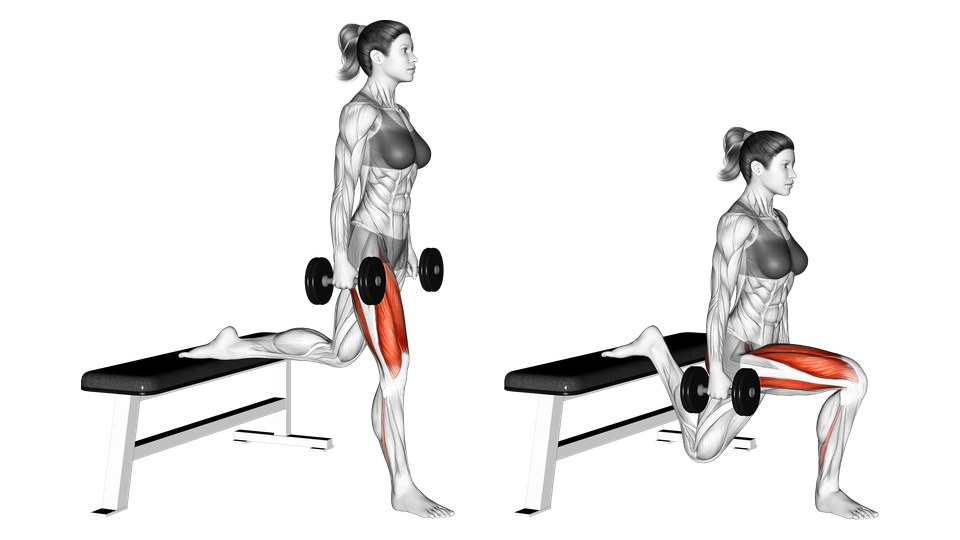
Bulgarian split squatChoose a Bulgarian split squat alternative when the bench, balance or available weights get in the way, while keeping the goal of your leg workout.
Choose by your goal and equipment
Remove the rear-foot support
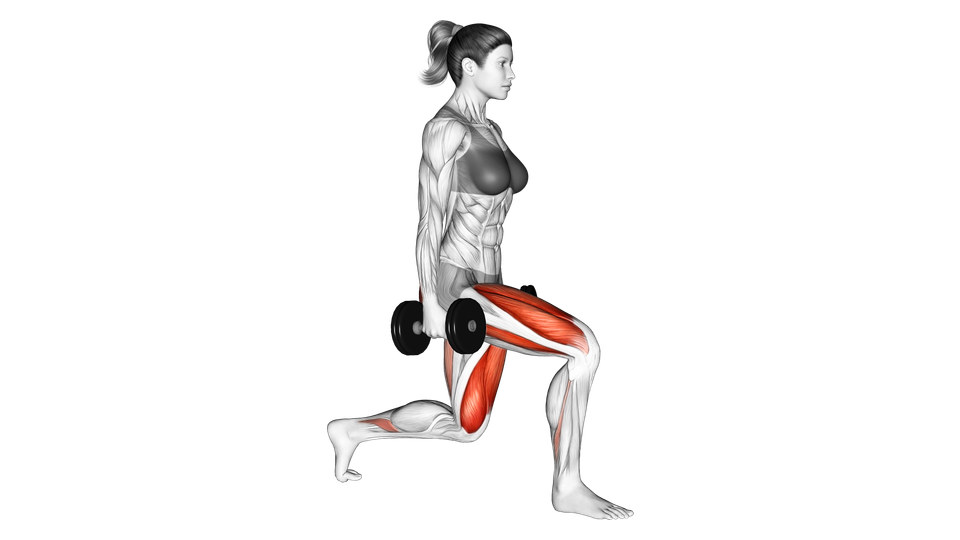
Dumbbell split squat
Both feet remain on the floor
Use a moving split stance
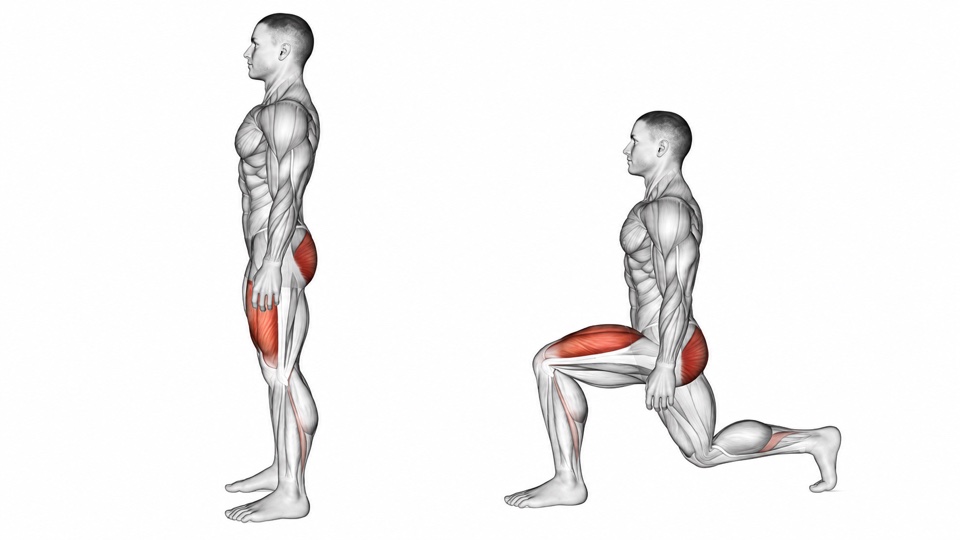
Reverse lunges
Step length must remain consistent
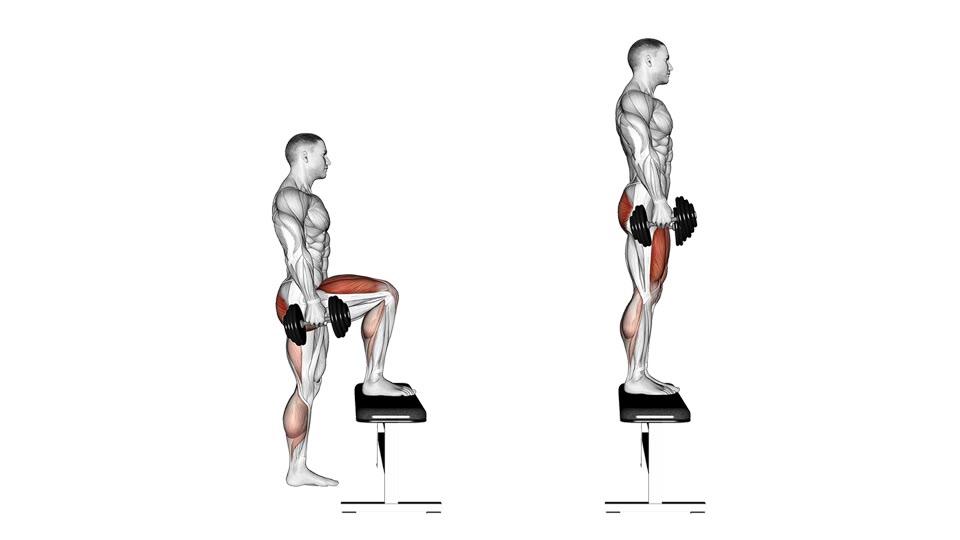
Use a stable raised platform
Step ups
Platform height becomes part of the setup
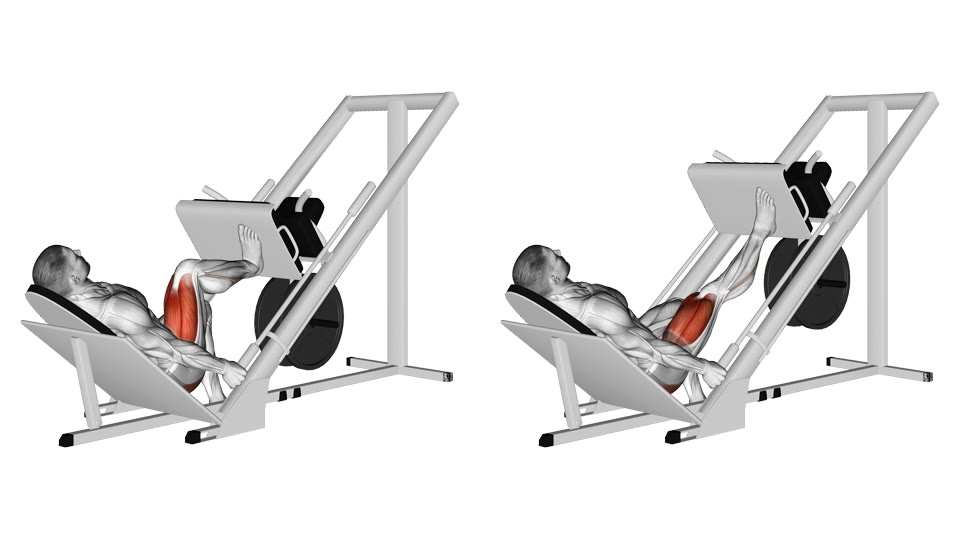
Use a supported leg machine
Single-leg leg press
Different support and movement
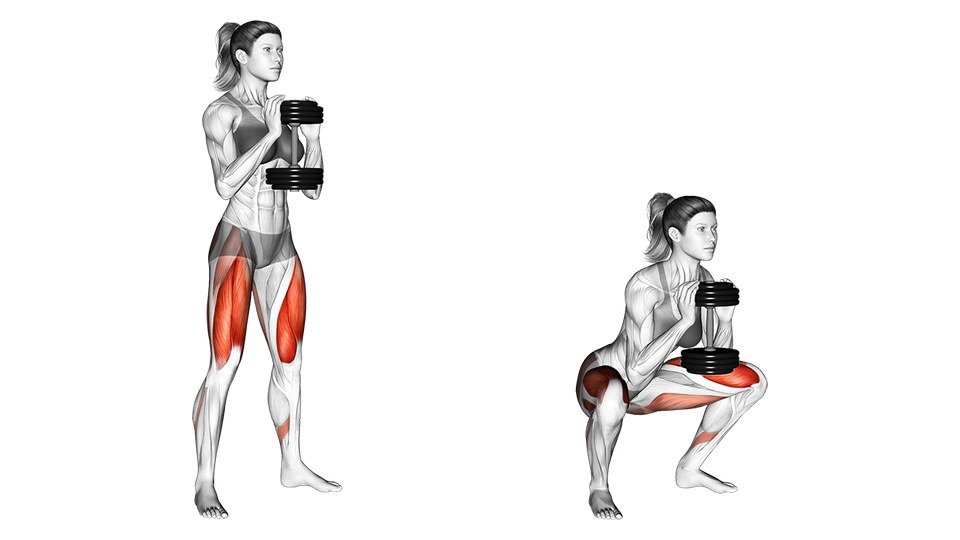
Train both legs with one weight
Goblet squat
Bilateral load may be limited by grip
A floor split squat removes the rear-foot bench
A dumbbell split squat keeps the split stance while leaving both feet on the floor. Establish the stance without weights first, then lower with both feet staying in their positions. Find a distance that lets you repeat the same movement without tipping or shifting the front heel.
Use the rear leg as part of the stable stance rather than jumping upward from it. Keep the front foot planted and rise under control. You do not have to push the rear knee to the floor if that makes the position unstable.
Record which leg is forward and count the sets per side. The change in support means you should find a new working load, even if the dumbbells are the same kind as those used for Bulgarian split squats.
Reverse lunges add a step rather than a fixed stance
A reverse lunge starts standing and moves one leg backward before you lower. Return to the starting position under control rather than using momentum to complete the repetition. Repeat a consistent step length.
That step adds a coordination task a stationary split squat does not have. If balance is the main reason for changing exercises, test the bodyweight version rather than assuming stepping backward will automatically solve it. A floor split squat may be the simpler first choice.
Choose whether to finish all reps on one side or alternate sides, and keep the method consistent in your log. Alternating ten total reps normally means five for each leg. Write the count clearly so it cannot be mistaken for ten per side next session.
Step-ups depend on the platform as much as the weight
A step-up is another unilateral option when a stable platform is available. Place the whole lead foot on it and stand through that leg, then control the return. Keep the trailing leg from providing a large jump from the floor.
Use a height that lets you reach the top without twisting the pelvis or lifting the lead heel. A higher platform is not automatically a harder or better version worth recording as the same exercise. It changes the movement you are comparing.
Check that the platform cannot slide or tip. A bench that worked as a rear-foot support does not necessarily have a suitable surface for standing on. Keep the step height in your notes alongside the dumbbells and reps.
A single-leg leg press changes the support
A single-leg leg press supplies seat and back support while one leg pushes the sled. It can be a practical alternative when you want unilateral leg work without holding a split stance, provided the machine allows the setup.
Choose a starting position and range you can maintain with the pelvis against the seat. Learn the release and safety catches before loading heavily. A single-leg setup still needs careful control of the sled and the unused leg.
Do not take half your bilateral leg press weight as a reliable prescription. Nor is the Bulgarian split squat dumbbell total a conversion. Find the machine's working resistance from its own warm-up sets and record it separately.
A goblet squat fits a different kind of leg slot
A goblet squat is an option when you would rather use both legs together and have one dumbbell. Hold the weight near the chest, maintain planted feet and use a range you can control. It removes the rear-foot support and the per-side setup.
That change matters if the program specifically calls for unilateral work. A bilateral squat can provide general leg training, but it does not preserve practising each leg separately. Decide whether that distinction is important for the planned session.
Available weight may become the limit. If holding the dumbbell becomes difficult while the legs still have substantial capacity, adding more easy goblet squats may not solve the loading problem. A floor split squat can make better use of limited dumbbells without requiring a rear-foot bench.
Replace the planned work rather than adding every option
Choose one exercise that addresses the obstacle, then fit it into the existing plan. If Bulgarian split squats were accessory work after squats, replacing them with another demanding main lift may change the session more than intended.
Begin with a manageable amount of work and keep a few controlled reps available while learning the movement. An example of two sets per side means two for the left leg and two for the right. It is an introduction example, not a claim that every lifter needs that exact dose.
Match sides and record enough detail to reproduce the exercise. For floor split squats that means stance and loading; for reverse lunges, step method; for step-ups, height. If discomfort caused the change, do not assume another exercise name makes the movement suitable regardless of symptoms.
Compare the muscle maps without treating them as scores
The muscle maps show the anatomical targets listed in the linked guides. Primary and secondary labels describe those guide roles, not measured muscle activation or predicted growth. A highlighted region does not establish that one alternative is better than another.
Use the maps to locate muscles, then choose the exercise by its movement, support and available equipment. These are practical comparisons, not a trial ranking every replacement.
Explore the muscle maps
Bulgarian split squat
Primary
Secondary
Schematic surface view. Some muscles are partly visible or not shown.
| Exercise | Primary | Secondary |
|---|---|---|
| Bulgarian split squat | quadriceps | gluteus maximus, adductor magnus |
| Dumbbell split squat | quadriceps, gluteus maximus | adductors, hamstrings |
| Reverse lunges | quadriceps, gluteus maximus | adductors, soleus |
| Step ups | quadriceps, gluteus maximus | adductors, hamstrings |
| Single-leg leg press | vastus lateralis, vastus medialis, vastus intermedius, gluteus maximus, adductor magnus | rectus femoris, hamstrings, soleus |
| Goblet squat | quadriceps | gluteus maximus, adductor magnus, soleus |
Track the alternative as a new progression
The new exercise needs its own starting record. Keep the setup, range and rep-counting method consistent, then compare sessions under those same conditions. More weight is not progress if the movement becomes a larger push from the trailing leg or a shorter descent.
If you later return to Bulgarian split squats, check the rear-foot support and stance again rather than treating months of another lift as direct practice. The replacement can remain useful without being identical to the original.
RepCount lets you record sets, reps and weight and review previous sessions. Save the new exercise separately and note the setup and per-side count. Download RepCount for Android if that is the phone you take to training.
Frequently asked questions
What can replace Bulgarian split squats without a bench?
Dumbbell split squats with both feet on the floor remove the rear-foot support while retaining a split stance. Reverse lunges are another option, but their stepping action changes the coordination involved.
Are reverse lunges the same as Bulgarian split squats?
Reverse lunges involve stepping backward and returning to standing. Bulgarian split squats use a fixed stance with the rear foot elevated. Both can train one side at a time, but their setup and movement differ.
Can I replace Bulgarian split squats with leg presses?
A single-leg leg press can fill a unilateral leg-training slot with seat and back support. It does not reproduce a free-standing split squat, so learn the machine setup and start a separate progression.
How should I count sets for split squat alternatives?
Record sets and reps per leg for unilateral alternatives. Two sets per side means two for each leg, and ten alternating total reps normally means five for each leg. Keep the counting method clear and consistent.