Best quad exercises: choose a useful combination
For a gym with machines, a squat or leg press plus a leg extension is a useful starting combination for quad training. With dumbbells, start by comparing goblet squats and split squats. The best choice is one you can load, repeat, and progress without the setup getting in the way.
You don't need all the exercises below in a single session. Several fill much the same role. Choose a main movement first, then decide whether another exercise adds something useful to your week.
For a full list with equipment filters, use the quad exercise directory. The combinations below help you turn those choices into a session you can repeat.
The best quad exercises depend on the job
Start with a shortlist that matches your equipment and preferences. These are practical choices, not a universal ranking of muscle-growth results.
| Exercise | Why consider it? | What to watch |
|---|---|---|
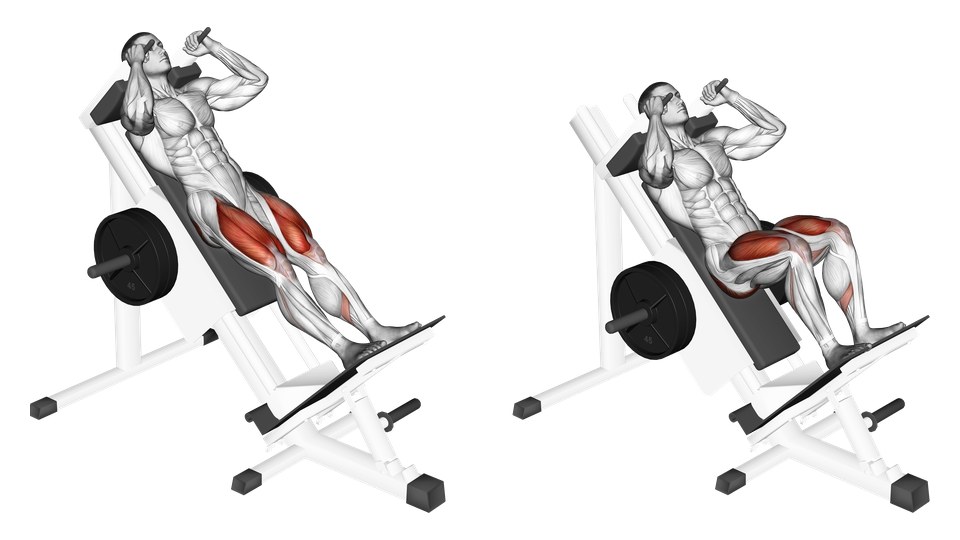
| Hack squat | Guided squat with back support | Machine fit, safety stops, and keeping contact with the pad |
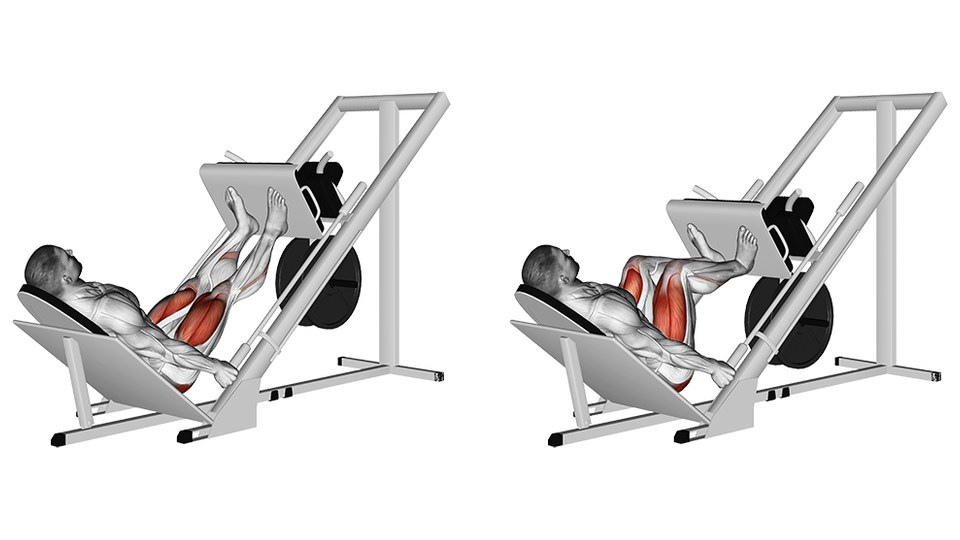
| Leg press | Supported exercise involving knees and hips | Pelvis position and a range you can control |
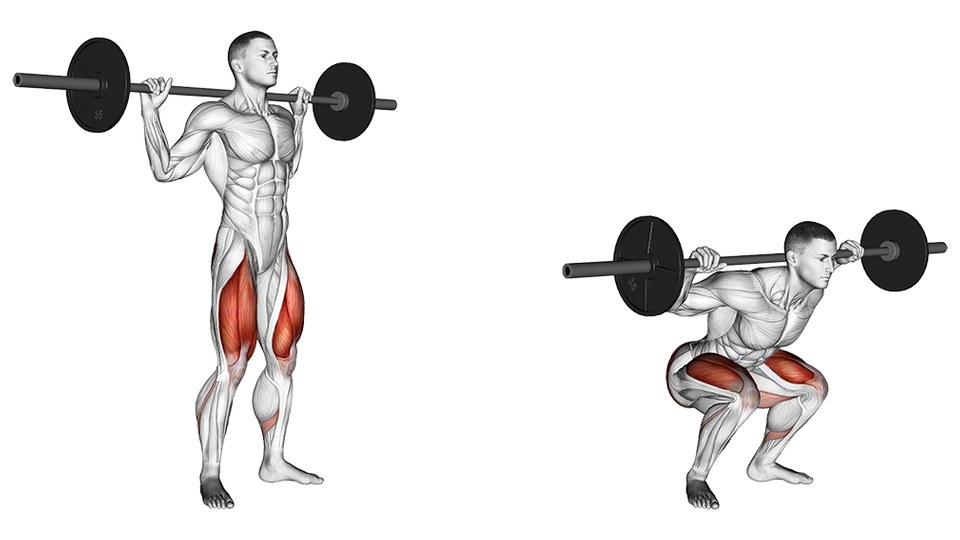
| Barbell squat | Main free-weight leg movement | Rack setup, balance, and supporting the bar |
| Smith machine squat | Guided bar path | Feet must suit the specific machine; torso remains unsupported |
| Leg extension | Direct knee-extension work | Seat and pad alignment, controlled lowering |
| Goblet squat | Straightforward dumbbell setup | Holding the weight can become the limit |
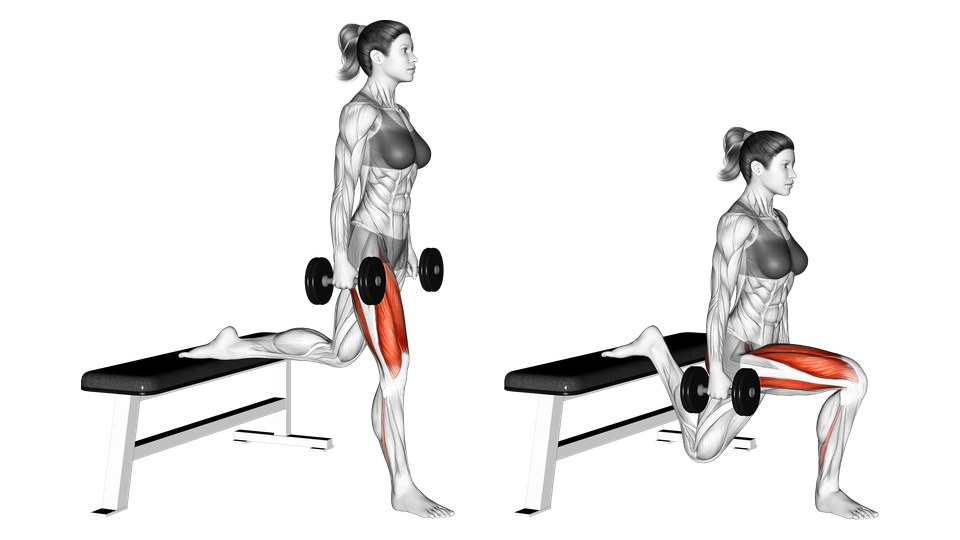
| Dumbbell split squat | Trains each side with weights at your sides | Stance, balance, and recording both legs |
| Bulgarian split squat | Split-squat option with the rear foot elevated | Secure support and a repeatable stance |
A hack squat and a leg press might both be good choices without both being necessary. Compare how comfortably you can use each machine and what you already do elsewhere in the week.
Choose a main exercise you can repeat consistently
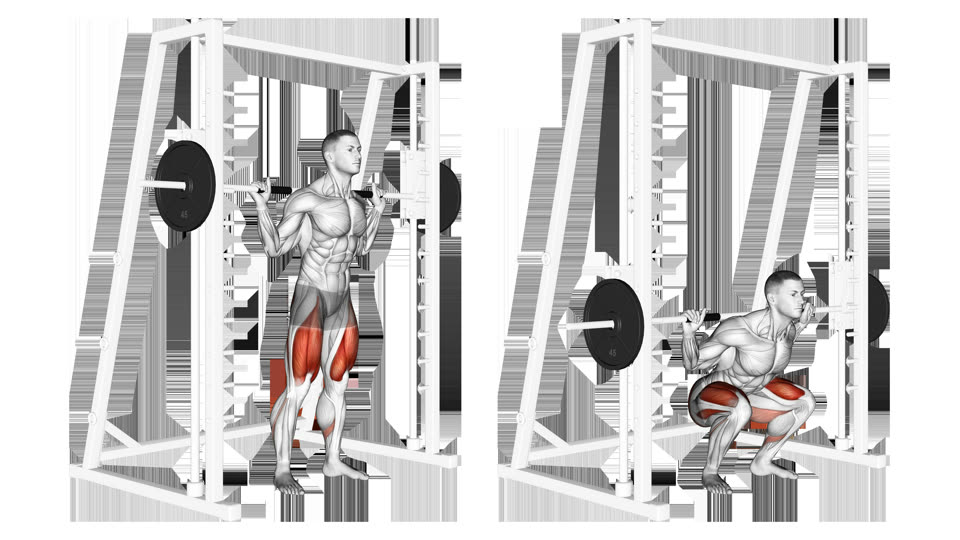
A supported machine can be convenient when you want to focus on the leg movement without balancing a barbell. A free-weight squat makes sense when you enjoy the lift, have the equipment, and want to improve at it.
Neither choice makes you a more serious lifter. The useful question is whether you can perform and record the exercise consistently enough to see what changes over time.
On the leg press, keep your pelvis and back supported rather than chasing depth by rolling away from the seat. On a hack squat, set the stops and keep contact with the back pad. The guides linked above show each setup separately; the machines are not interchangeable just because both use weight plates.
For barbell squats, use an appropriate rack and set the safeties before working sets. Choose a stance and controlled depth that you can reproduce. A heavier number achieved by cutting every rep shorter is a change in the task, not a clean comparison with last week.
Leg extensions add a different kind of quad work
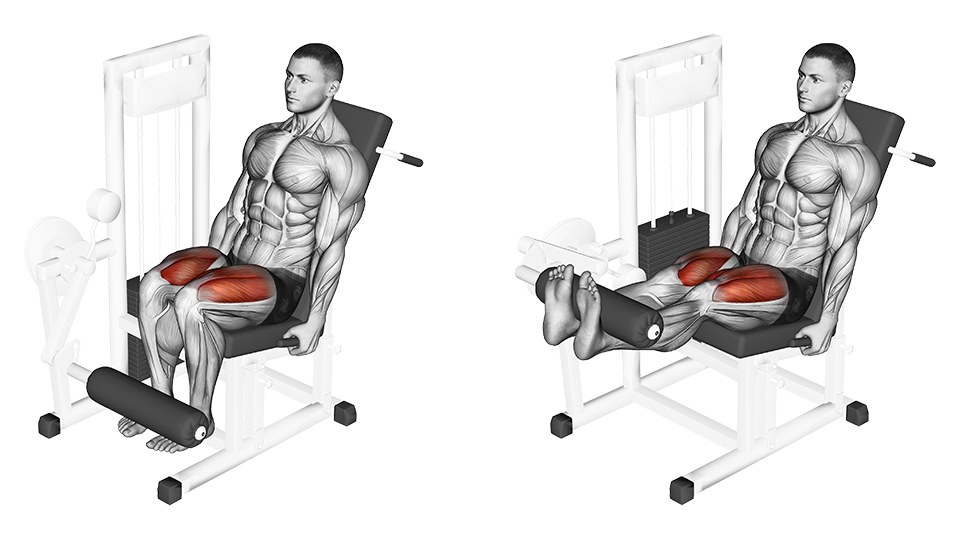
Leg extensions directly train knee extension while your thigh stays supported by the seat. Squats and leg presses involve movement at both the knee and hip. That distinction matters because the rectus femoris, one of the four quadriceps muscles, crosses both joints.
In Kinoshita and colleagues' 2026 study, knee extensions produced greater rectus femoris growth than leg presses, while overall quadriceps and vasti growth were comparable. The study involved 17 untrained participants over 12 weeks; it doesn't rank every exercise for experienced lifters.
It would also be too strong to say squats cannot grow the rectus femoris. Kojic and colleagues (2022) observed growth in all four quadriceps muscles after their squat-training intervention.
The practical takeaway is to consider complementary exercises rather than insist that one movement covers every purpose equally. If you have a leg-extension machine and enough room in your program, it offers a clear addition to a squat or press. If you don't have one, the leg extension alternatives guide explains which replacements preserve knee-extension work and which change the movement.
Align the machine's pivot with your knee as the equipment allows, adjust the lower pad above the ankle, and control the return. Choose a weight you can move without lifting your hips or throwing your torso backward.
With dumbbells, check what actually limits the set
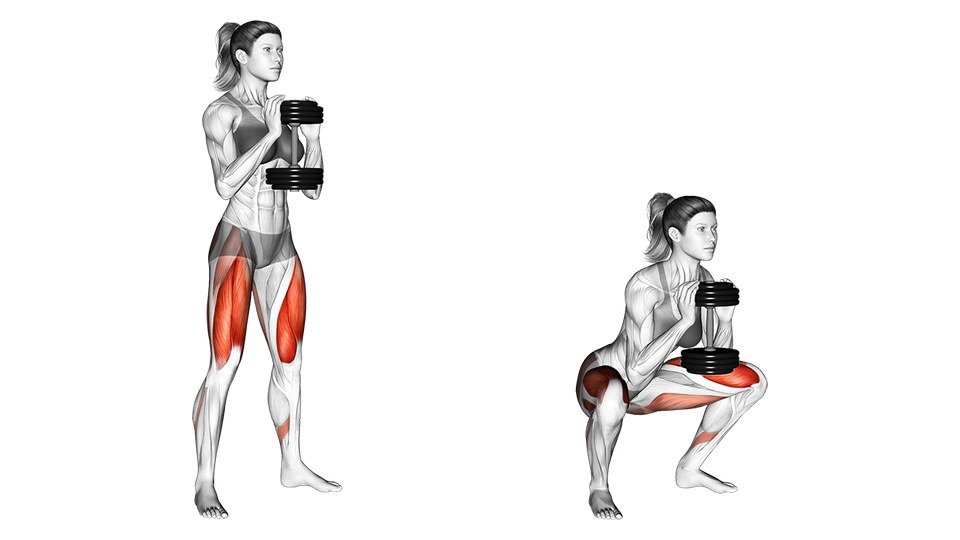
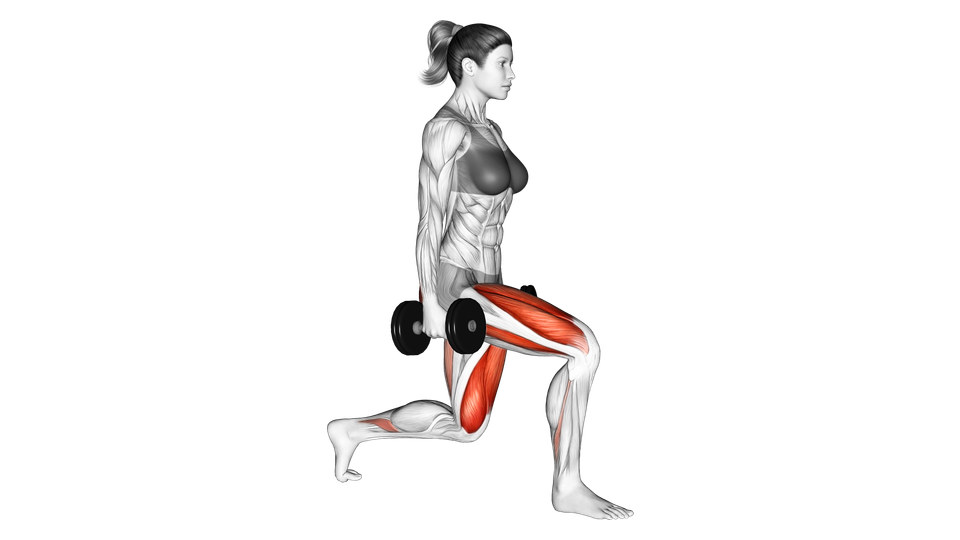
Goblet squats are easy to organise: hold one dumbbell close to your chest, keep your feet planted, and lower under control. They are a useful option when you don't have a rack or machines.
As the weight gets heavier, holding it may become more demanding than the leg movement. If your arms force you to stop while your legs could keep going, the next step doesn't have to be a still larger dumbbell held in the same position.
A dumbbell split squat places the weights at your sides and trains each leg separately. Establish the stance with both feet on the floor first. Add weight once you can lower and stand without continually repositioning your feet.
Elevating the rear foot gives you a Bulgarian split squat, but it isn't a required upgrade. A stable floor-based split squat is preferable to an elevated version where finding your balance dominates every set.
Build a small session from the shortlist
Choose enough work to fit your current program, rather than adding every recommendation to what you already do. The following are illustrative starting arrangements, not routines tested against one another in a trial.
| Setting | Main exercise | Optional complementary work |
|---|---|---|
| Gym with leg machines | Hack squat or leg press, 2–3 sets | Leg extension, 2 sets |
| Rack and leg-extension machine | Barbell squat, 2–3 sets | Leg extension, 2 sets |
| Dumbbells at home | Goblet squat or dumbbell split squat, 2–3 sets | Start with the main exercise; assess whether you need more work |
For a split squat, the listed sets apply to each side. If you're new to the movement, begin at the lower end and leave a few controlled reps available rather than testing your limit immediately.
Look at the rest of the week before using the optional work. Another leg day may already contain several quad exercises. Start by replacing or organising that work, then decide whether more is needed after seeing how the sessions go.
Use a progression you can judge from your log
Pick a rep range and keep the exercise setup stable. For example, you could use 8–12 reps for a machine exercise, starting with a load you can control for the lower part of that range.
Build reps within the range. When all planned sets reach the top with a comparable range of motion and some capacity left, consider the next available load increase. If the machine's increment is large, don't force the increase at the expense of the movement.
For three planned sets, a result of 10, 9, and 8 reps means you should keep the weight and build toward 12, 12, and 12 before increasing it. Those numbers illustrate the rule; they aren't targets you must reach on a fixed schedule.
RepCount lets you record sets, reps, and weight and look back at previous workouts. Log each exercise separately, including which machine you used, so the comparison stays useful. It's also available on Android.
Frequently asked questions
What is the best exercise for quads?
There is no universal winner. A squat or leg press can provide a main loaded leg movement, while a leg extension adds direct knee-extension work. Choose exercises you can set up consistently, perform through a controlled range, and progress.
Are squats enough for quad growth?
Squats can build the quadriceps, but that doesn't make every quad muscle's response identical across exercises. Adding leg extensions is a practical way to include direct knee-extension work, especially when you want to cover a role that a compound exercise may not fully replace.
What quad exercises can I do with dumbbells?
Goblet squats and dumbbell split squats are useful starting choices. If holding one dumbbell limits a goblet squat before your legs do, a split squat with weights at your sides may be easier to load meaningfully.
How many quad exercises should I do in one workout?
You don't need every exercise in a list. One main squat or press and one complementary movement is a reasonable example to start from. Adjust the amount of work to the rest of your weekly training, your experience, and your recovery.