Face pull alternatives for rear shoulders
A seated rope face pull is a close face pull alternative when you want to keep both the wide pull and the external-rotation finish. Rear delt flies, reverse pec deck and band pull-aparts can fill a rear-shoulder slot, but they do not reproduce the whole movement. If deliberate external rotation is the goal, a separate external-rotation exercise is a more specific choice than another general back row.
That is the decision to make before picking equipment. A rope is not the defining feature on its own: pulling one toward your ribs turns the exercise into a different task. Decide what the face pull contributes to your session, then preserve that contribution.
Choose face pull alternatives by the shoulder action
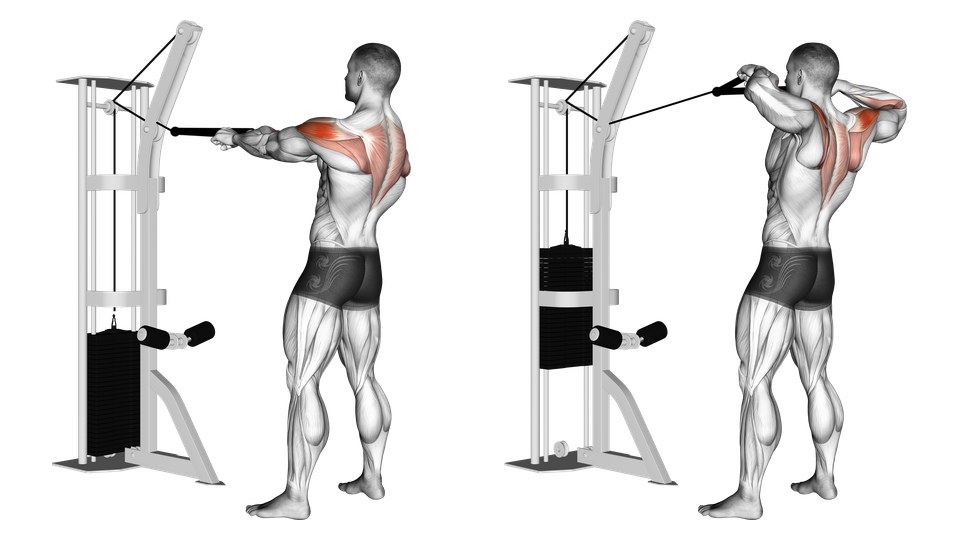
The face pull guide describes a high-elbow pull toward the face followed by the hands separating beside the head. The upper arms move out and back, and the shoulder rotates outward during the finish. A replacement may retain both parts or just one.
| Your goal and equipment | Alternative | What changes |
|---|---|---|
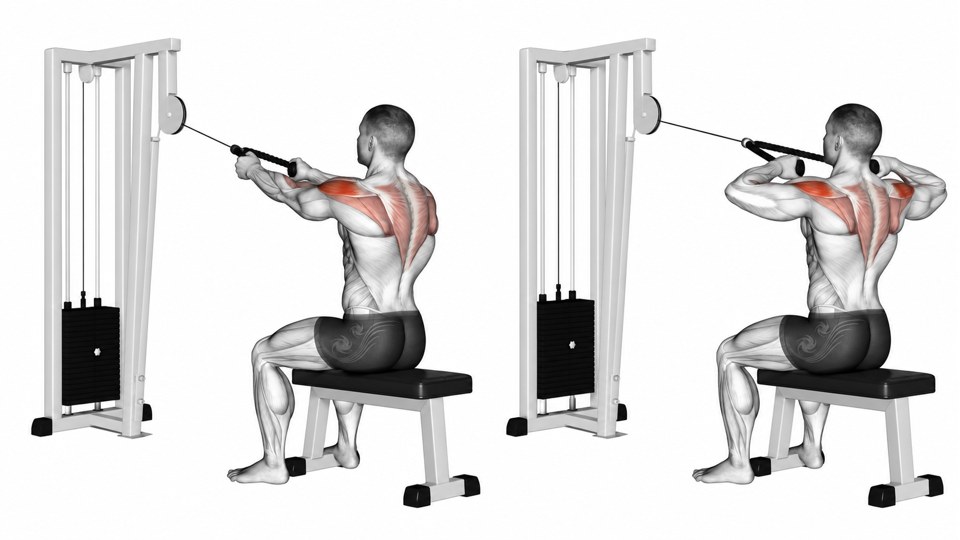
| Keep the rope movement, with a bench and cable | Seated face pull | Seated position replaces the standing stance |
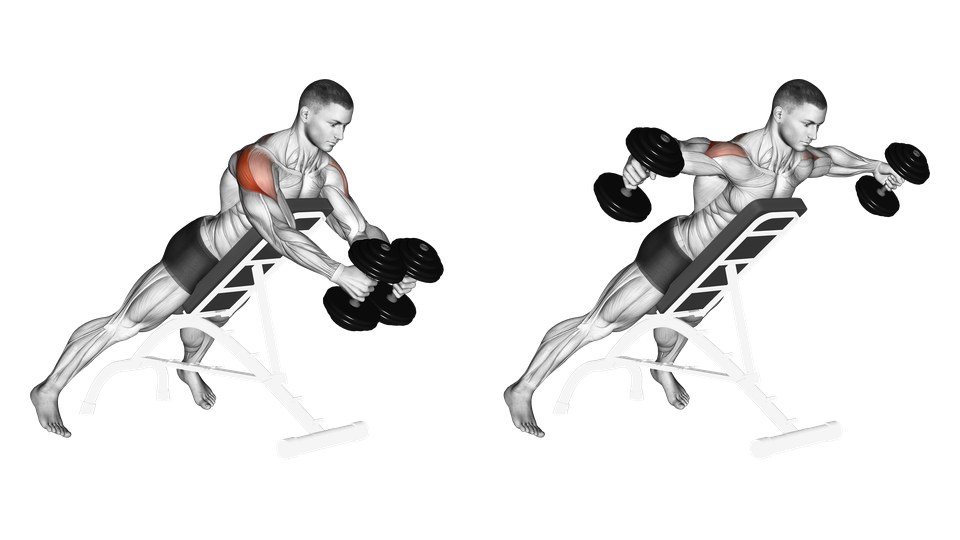
| Train the rear shoulders with dumbbells | Rear delt fly | Wide arc with fairly fixed elbows, without the rotation finish |
| Use a supported machine | Reverse pec deck | Machine fly rather than a rope pull |
| Use one dumbbell and a bench | Rear delt row | Bent-elbow wide row, performed one side at a time |
| Train with an unanchored band | Band pull-apart | Resistance changes as the band stretches |
| Practise external rotation using a cable | Cable external rotation | Elbow stays at the side instead of moving out and back |
Your starting point
Face pullsChoose face pull alternatives by the movement you want to keep: rear-shoulder work, external rotation, or both together.
Choose by your goal and equipment
Keep the face-pull pattern
Seated face pull
You still need a cable and rope
Use dumbbells and a bench
Rear delt fly
No separate external-rotation finish
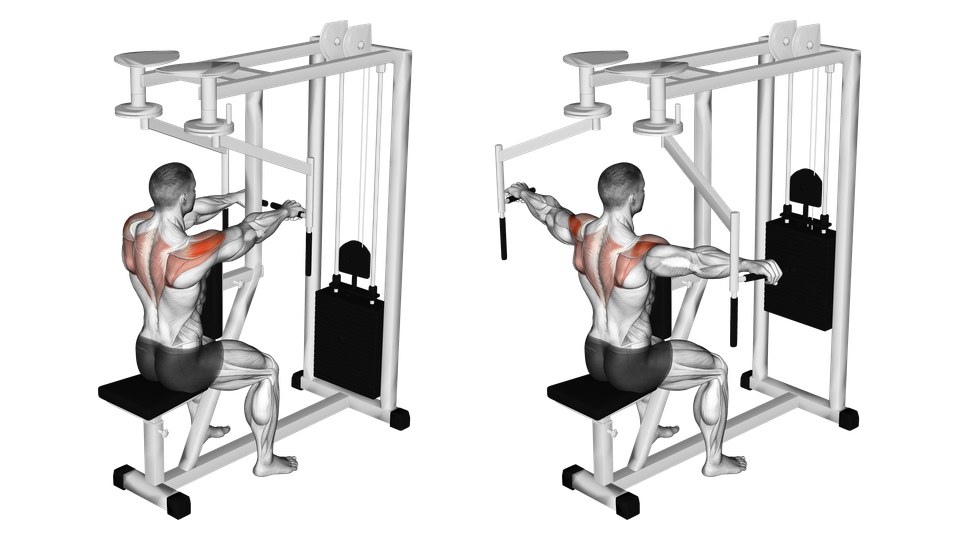
Use a supported rear-shoulder machine
Reverse pec deck
The handles follow a machine path
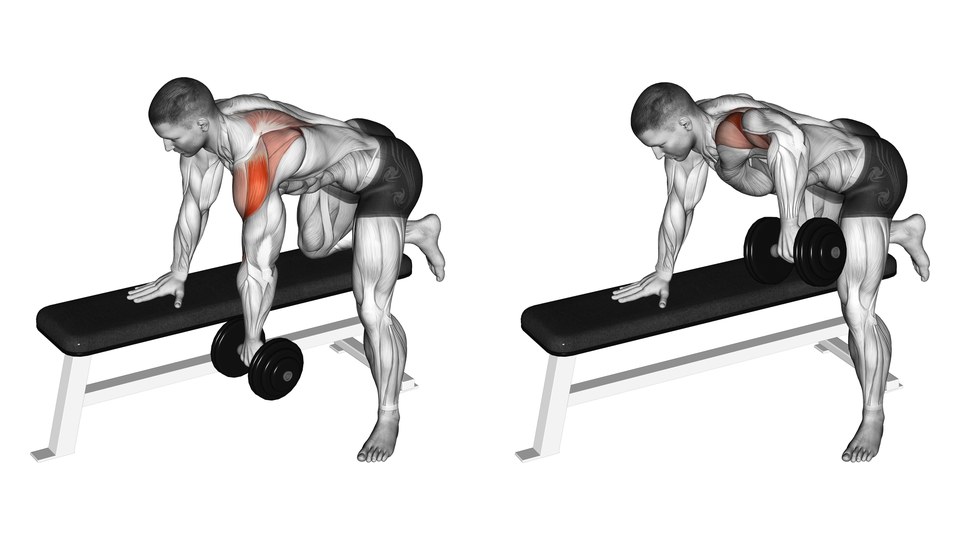
Use one dumbbell
Rear delt row
Wide-elbow row rather than a face pull
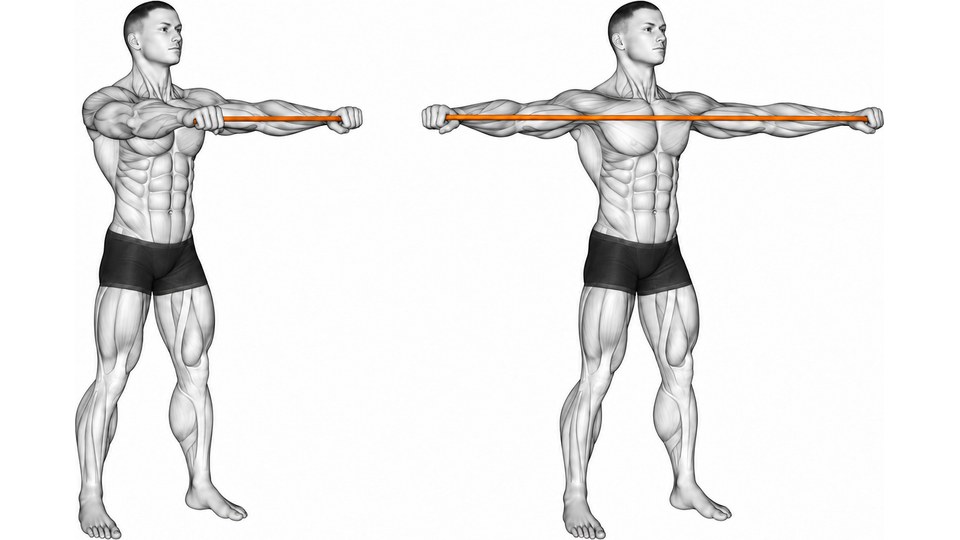
Use an unanchored band
Band pull-apart
Different resistance and no face-pull finish
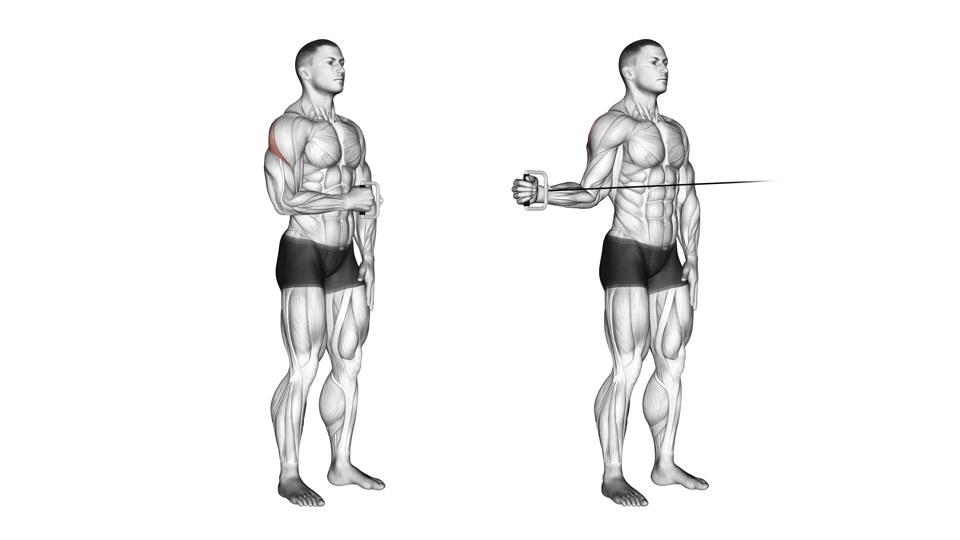
Keep dedicated external rotation
Cable external rotation
Elbow stays beside the body; no wide pull
The table compares movement and equipment. It is not a ranking of which exercise grows the most muscle, and a shared target-muscle name does not make two exercises interchangeable.
Seated face pulls preserve both parts of the movement
A seated face pull is the closest choice here when a standing setup is awkward but a rope and cable are available. Place a stable bench facing the pulley and set the cable around face height for your seated position.
Pull toward the face, opening the elbows and separating the rope ends as the forearms rotate upward. Return with control while keeping your feet and seat in place. A cable left at standing head height changes its angle considerably when you sit down, so adjust it before loading.
Choose resistance that allows the finish without throwing your torso backward. If the hands never separate and the rope ends reach only your chest, the extra weight has changed the exercise. Record the seated variation separately so you can keep its setup consistent.
Rear delt flies keep the wide-arm shoulder work
A dumbbell rear delt fly is useful when the cable station is occupied and you have an incline bench. The linked fly guide uses a chest-down position with the arms opening out to the sides and a small, fairly fixed bend in the elbows.
The bench supports your torso while the dumbbells move in a wide arc. Keep the chest against the pad and lower the weights under control. The ACE incline reverse fly instructions also describe a supported wide-arm raise, although their bench angle differs from the linked guide.
A fly is a good fit for a rear-shoulder accessory slot. It does not include the distinct bent-elbow rotation finish of a face pull. Start with a practice load rather than assuming the dumbbell total should match a cable-stack number.
Reverse pec deck offers a supported machine option
A reverse pec deck provides rear-shoulder work while you sit facing the chest pad. Adjust the seat to put the handles around shoulder height, then open the arms in a wide arc with a nearly steady elbow angle.
Keep chest contact with the pad rather than rocking away as the handles open. Use the machine's intended rear-delt configuration; a chest-fly setting facing the other direction is a different exercise. The reverse pec deck guide shows the version used here.
The handles guide the movement, so their path may feel different from a free rope. Rotator-cuff muscles can contribute to a fly without the exercise being a dedicated external-rotation movement. Choose this machine to fill the rear-shoulder slot, not to copy every action of a face pull.
A rear delt row works with one dumbbell
A rear delt row provides a wide-elbow pull when you have one dumbbell and a bench. Support the non-working hand and knee, hold your torso steady, and let the working elbow travel out to the side as you row.
That elbow path distinguishes the rear delt row from a conventional dumbbell row with the elbow closer to the ribs. Keep the torso facing the floor rather than twisting upward to finish each repetition. Record work per side.
The elbows bend during the pull, but the dumbbell does not produce the same rope-separating finish. This is another rear-shoulder choice, not a substitute for deliberate external rotation.
Band pull-aparts need no anchor
Band pull-aparts are practical when your equipment is a band you can hold between both hands. Begin with the arms around shoulder height, maintain a small elbow bend and spread the hands until the arms are roughly in line with the torso.
Inspect the band before using it and control the return. Keep the same band and starting hand spacing between sessions. Shortening the band changes the resistance, even though you have not changed a stack or added a plate.
An unanchored pull-apart is different from a band face pull. The band pull-apart guide shows arms opening with fairly fixed elbows rather than drawing handles toward the face and rotating the forearms upward.
External rotation can be trained separately
Cable external rotation preserves a specific shoulder action rather than the whole face pull. In the cable external rotation guide, the elbow stays beside the ribs while the forearm turns outward against the cable.
Keep that distinction visible in your workout. Moving the elbow away from the body or turning the chest to carry the handle farther changes the task. Use a light practice load to establish the movement before selecting working resistance.
If your original face-pull slot deliberately combines rear-shoulder work and rotation, you can use a fly and a separate external-rotation exercise. You do not have to double the original number of sets for each: decide how much work the session needs and learn each replacement first.
Compare the muscle maps without treating them as scores
The maps show the anatomical targets listed in the linked guides. Primary and secondary labels describe guide roles, not measured muscle activation or predicted growth. A rotator-cuff highlight does not establish that every pictured movement trains the same rotation action.
Use the exercise description alongside the map. The practical distinction here is a wide pull, a wide-arm fly, or a dedicated outward rotation.
Explore the muscle maps
Face pulls
Primary
Secondary
Schematic surface view. Some muscles are partly visible or not shown.
| Exercise | Primary | Secondary |
|---|---|---|
| Face pulls | rear deltoids, rotator cuff | lateral deltoids, middle and lower trapezius, rhomboids |
| Seated face pull | rear deltoids, rotator cuff | middle and lower trapezius |
| Rear delt fly | rear deltoid, rotator cuff | trapezius, rhomboids |
| Reverse pec deck | rear deltoid, rotator cuff | trapezius, rhomboids |
| Rear delt row | posterior deltoid | trapezius |
| Band pull-apart | rear deltoids | rhomboids, trapezius |
| Cable external rotation | infraspinatus and teres minor | None listed in this guide |
Log the replacement as its own exercise
Keep the new variation stable for long enough to compare sessions. Record the bench position, band choice or cable setting that makes your repetitions repeatable. Progress on one alternative does not give a reliable conversion to another.
Download RepCount to log sets, reps and weight and look back at previous workouts. Give the replacement its own exercise entry so a different resistance setup does not look like a sudden change in face-pull strength. RepCount is also available on Android.
Frequently asked questions
What is the closest face pull alternative?
A seated rope face pull keeps the wide pull toward the face and the external-rotation finish while changing your stance. With no cable station, choose by your goal: a rear delt fly provides rear-shoulder work, while a separate external-rotation exercise preserves that specific shoulder action.
Can rear delt flies replace face pulls?
Rear delt flies can replace the rear-shoulder part of face pulls. They move the arms outward with a fairly fixed elbow angle, so they do not reproduce the rope pull and its deliberate external-rotation finish.
Are band pull-aparts the same as face pulls?
Band pull-aparts use a band held between the hands and a fairly fixed elbow angle. Face pulls draw a rope toward the face with bending elbows and an external-rotation finish. Both can provide rear-shoulder work, but their movements and resistance differ.
Can a seated cable row replace face pulls?
A seated cable row can provide general horizontal pulling work, but a low pull toward the torso does not preserve the high-elbow pull and external-rotation finish of face pulls. Choose it for a rowing slot rather than treating it as the same shoulder exercise.