Pull-up alternatives for gym and home
An assisted pull-up is a useful pull-up alternative when the goal is learning to lift your body to a bar. A lat pulldown keeps a vertical pull with adjustable cable resistance, while chin-ups change the grip. Inverted rows and dumbbell rows can provide back training when equipment is limited, but they do not reproduce the pull-up's direction.
Decide whether the obstacle is doing enough controlled reps or finding a bar at all. Those are different problems. If you have a secure bar but cannot complete a pull-up, assistance preserves more of the original task than moving to a floor-level row.
If the goal is broader back training, a horizontal row can still be a sensible choice. Describe that as changing the exercise role rather than claiming every pulling movement transfers equally to a pull-up. A clear training goal makes the replacement easier to evaluate.
Choose pull-up alternatives by the goal
| Your goal | Alternative | Equipment | Main tradeoff |
|---|---|---|---|
| Practise lifting your body with help | Assisted pull-up | Counterweighted machine | More selected assistance usually makes it easier |
| Change the grip on a fixed bar | Chin-up | Secure overhead bar | Underhand grip changes the setup |
| Keep a vertical cable pull | Lat pulldown | High cable and seat | The attachment moves instead of your body |
| Use a low secure bar | Inverted row | Stable low bar | Horizontal pulling rather than a pull-up |
| Train the back with a dumbbell | Dumbbell row | Dumbbell and stable support | Different direction and per-side loading |
Your starting point
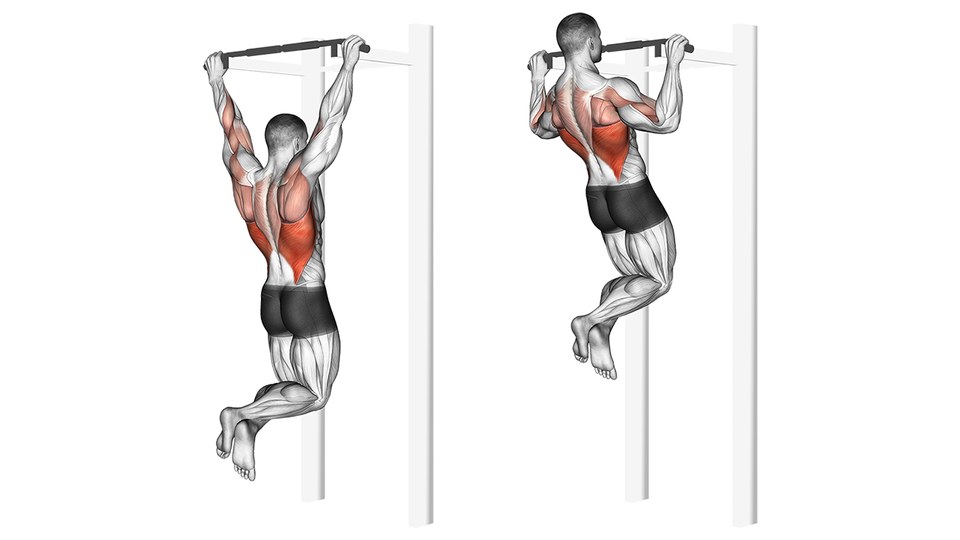
Pull-upCompare pull-up alternatives for assistance, equipment and back training. Keep vertical pulling separate from rows, and track help as well as reps.
Choose by your goal and equipment

Practise lifting your body with help
Assisted pull-up
More selected assistance usually makes it easier
Change the grip on a fixed bar
Chin-up
Underhand grip changes the setup
Keep a vertical cable pull
Lat pulldown
The attachment moves instead of your body
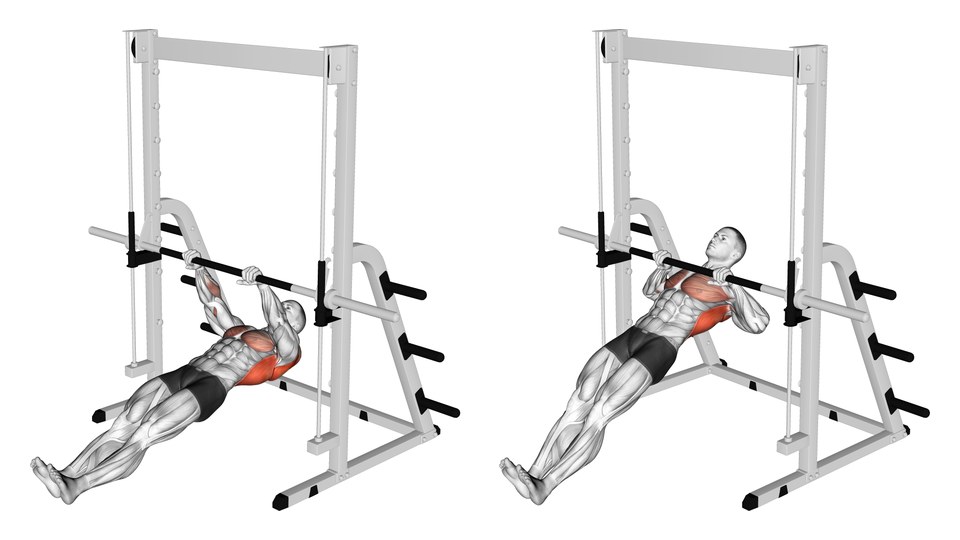
Use a low secure bar
Inverted row
Horizontal pulling rather than a pull-up
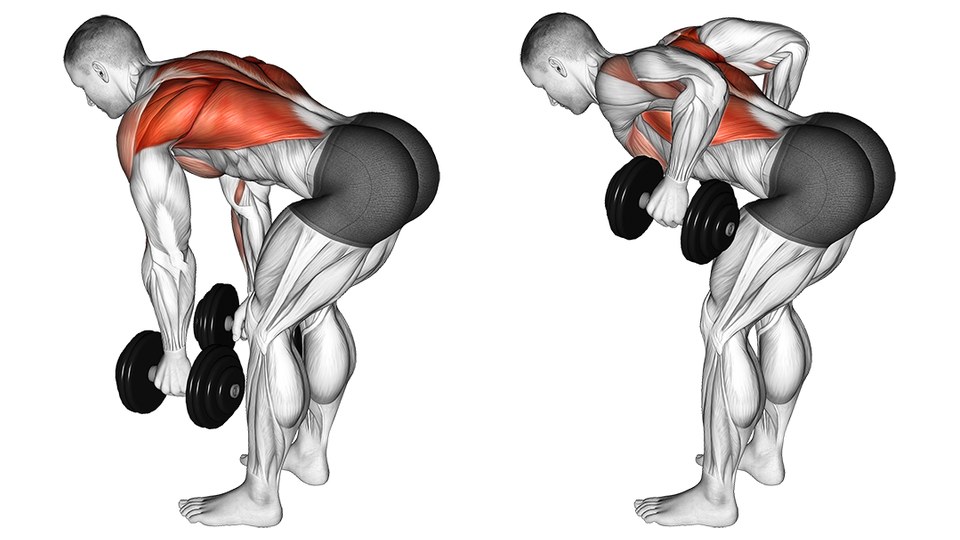
Train the back with a dumbbell
Dumbbell row
Different direction and per-side loading
Assisted pull-ups retain the moving body
An assisted pull-up uses a counterweighted platform to reduce the load you lift. Set the assistance, mount the machine according to its instructions and keep your knees or feet in the intended supported position.
On a typical counterweighted machine, choosing more assistance makes the exercise easier. That is the opposite of selecting a heavier weight for a pulldown. Check the station's markings rather than assuming the pin number represents weight you are lifting.
Use a controlled return and a range you can repeat. Record the machine, selected assistance and reps. Progress might mean the same reps with less assistance, which is not captured accurately by treating the assistance number as ordinary load.
Band assistance depends on the setup and position
A band-assisted pull-up also keeps the body moving beneath a fixed bar. Use a suitable band attached securely and follow its intended setup. Check the bar and band before loading either with your bodyweight.
The assistance changes as the band stretches. A band's color or advertised resistance is not a universal counterweight, and two different products may not provide comparable help. Record the actual band and whether it supports a knee or foot.
Enter and leave the setup carefully so the band cannot snap out of position. Do not treat an assisted variation as a reason to swing harder for extra reps. Assistance is useful when it lets you practise a controlled movement, not when it conceals a different movement each repetition.
Chin-ups change the grip rather than supplying assistance
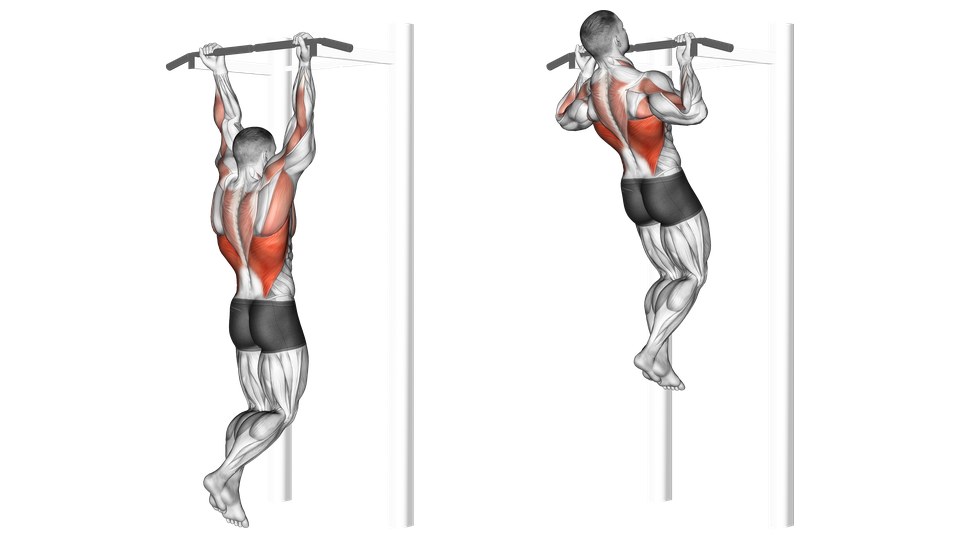
A chin-up uses an underhand grip, with the palms facing you. It may be a workable option when that position feels more familiar, but it still asks you to lift your body. Changing the hand position does not automatically make an unassisted chin-up achievable.
Use a grip spacing you can control and a secure bar. Keep the repetition from becoming a kick or swing. Record chin-ups separately from overhand pull-ups because the hand position is part of the exercise.
If you need assistance, use an appropriate assisted setup for the chin-up too. There is no requirement to complete one named exercise unassisted before another assisted exercise can count as training.
Lat pulldowns retain vertical pulling with a different setup
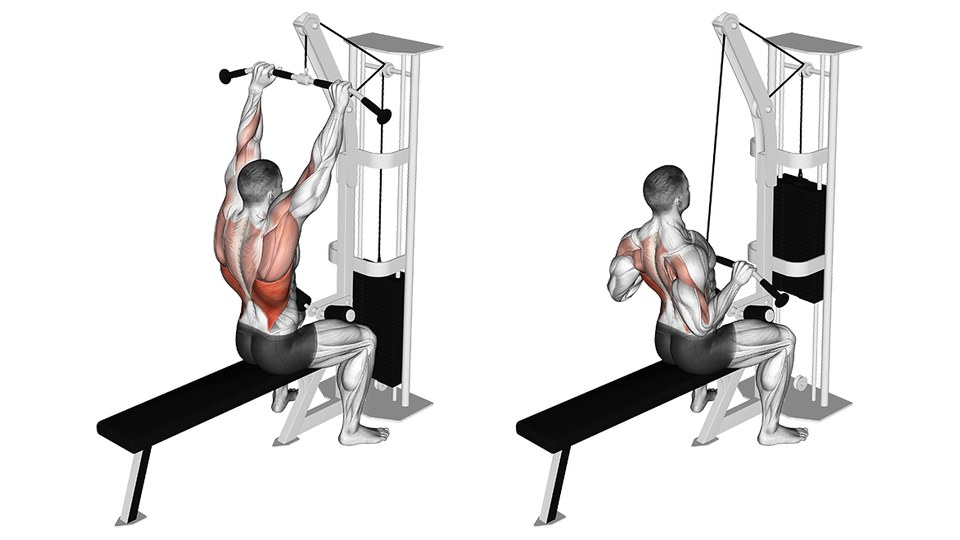
A lat pulldown moves a cable attachment while you remain seated. Adjust the thigh pad, choose the attachment and pull in front of the head with a stable torso. Let the attachment return overhead under control.
This provides a vertical pull with a load that can be adjusted independently of bodyweight. That is useful when you need manageable sets or lack a suitable pull-up station. The supported seat and moving cable still differ from a fixed bar and moving body.
Do not subtract a pulldown stack number from your bodyweight to calculate pull-up assistance. Machine pulleys and labels vary. Practising a pulldown can contribute to training, but a stronger pin number is not proof that a first unassisted pull-up is guaranteed next session.
Rows are useful back exercises with a different direction
An inverted row pulls the chest toward a low fixed bar while the feet stay supported. Use a secure bar and adjust the body position to a version you can control. Keep the torso aligned rather than sagging through the hips.
A dumbbell row provides another option when you have a weight and stable support. Set the same position for both sides, move the elbow back and avoid rotating the torso to finish the rep.
Both are horizontal pulls. They can fill a general back-training slot, but they do not preserve hanging overhead and lifting toward an overhead bar. If the main goal is a pull-up, retain some suitable assisted vertical practice when equipment permits.
Keep assistance consistent when comparing sessions
Pick one main replacement for the planned slot and learn its setup. Keep the first sessions controlled, with some good reps left, instead of chasing the original exercise's target at any cost. A new movement needs a new starting record.
For a band, note the product and support position. For an assisted machine, note the assistance and station. For an inverted row, note bar height and foot position. These details explain why two sets with the same rep count can be different tasks.
If you alternate options because equipment is busy, keep separate records. A pulldown workout and an assisted pull-up workout can both be useful without being entries in the same weight progression.
Compare the muscle maps without treating them as scores
The muscle maps show the anatomical targets listed in the linked guides. Primary and secondary labels describe those guide roles, not measured muscle activation or predicted growth. A highlighted region does not establish that one alternative is better than another.
Use the maps to locate muscles, then choose the exercise by its movement, support and available equipment. These are practical comparisons, not a trial ranking every replacement.
Explore the muscle maps
Pull-up
Primary
Secondary
Schematic surface view. Some muscles are partly visible or not shown.
| Exercise | Primary | Secondary |
|---|---|---|
| Pull-up | latissimus dorsi, teres major, biceps brachii | trapezius (middle and lower fibres), infraspinatus, brachioradialis |
| Assisted pull-up | latissimus dorsi | biceps brachii, posterior deltoids |
| Chin-up | latissimus dorsi, biceps brachii, brachialis | teres major, brachioradialis, trapezius (middle and lower fibres), rhomboids |
| Lat pulldown | latissimus dorsi, teres major | biceps brachii, posterior deltoid, middle trapezius, lower trapezius, infraspinatus, rhomboids |
| Inverted row | latissimus dorsi, trapezius, posterior deltoid | biceps brachii |
| Dumbbell row | latissimus dorsi, teres major, posterior deltoid, rhomboid major and minor, trapezius (middle and lower fibres) | brachialis, biceps brachii, brachioradialis, erector spinae |
Track the replacement and return to the goal deliberately
Look for progress within the same setup: more controlled reps, less assistance or an appropriate load increase. Avoid changing the assistance, range and exercise every time and then treating any higher rep count as equivalent progress.
When practising an unassisted pull-up becomes appropriate, test it with the same secure bar and a controlled technique. If the attempt fails, return to manageable practice rather than turning the rest of the workout into repeated uncontrolled attempts.
RepCount lets you record sets, reps and weight and review earlier sessions. Save the replacement separately and use notes to describe assistance or equipment. RepCount is also available for Android.
Frequently asked questions
What is the closest pull-up alternative for a beginner?
An assisted pull-up retains lifting the body toward a fixed overhead bar while reducing the load. A suitable counterweighted machine or band setup can provide assistance, but each requires secure equipment and consistent recording.
Can lat pulldowns replace pull-ups?
Lat pulldowns can replace a vertical pulling slot with adjustable cable resistance. They move an attachment while the lifter remains seated, so they do not provide identical practice for lifting the body to a fixed bar.
Are rows a direct replacement for pull-ups?
Rows provide horizontal pulling work, while pull-ups are overhead vertical pulls. Rows can fill a general back-training slot, but a pull-up goal is better served by retaining suitable vertical practice when equipment allows.
How do I track progress on assisted pull-ups?
Record the machine or band, assistance, setup and reps. On a typical counterweighted machine, the same reps with less assistance represent a harder task. Keep assistance details separate from ordinary lifted-weight assumptions.