Squat alternatives for gym and home
Goblet squats, dumbbell split squats and supported machines are practical squat alternatives when a barbell back squat does not fit your equipment or workout. A front squat keeps a free barbell squat but changes where you support the load. Choose a movement involving both the knees and hips if you want to replace the main leg-training slot, rather than assuming any lower-body exercise does the same job.
Here, “squat” means the ordinary barbell back squat: a bar across the upper back, supported by the lifter throughout the descent and ascent. If you are replacing another variation, its equipment and support may lead to a different choice.
Choose squat alternatives by equipment and training goal
The table gives practical starting choices, not a ranking from a trial comparing every exercise. First identify why you are changing the back squat.
| What you need | Alternative | What changes |
|---|---|---|
| A squat without a rack | Goblet squat | One weight held at the chest; the hold can limit loading |
| A free barbell squat with a different bar position | Front squat | The front rack has its own support demands |
| Leg work with limited dumbbells | Dumbbell split squat | One side at a time, with a split stance |
| A rear-foot-elevated option | Bulgarian split squat | A stable support becomes part of the setup |
| A supported squat machine | Hack squat | Guided sled and back pad |
| Supported pressing through the legs | Leg press | Seated position and a machine path |
| Direct quad accessory work | Leg extension | Knee extension without the squat's hip-extension task |
Your starting point
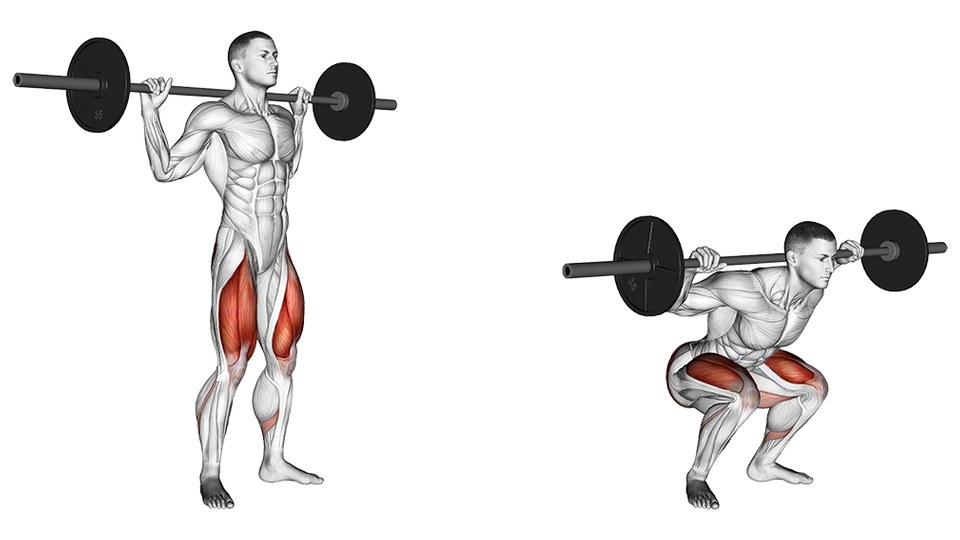
Barbell back squatReplace the barbell back squat with a movement that fits your equipment and leg-training goal, from goblet squats to supported machines.
Choose by your goal and equipment
Use one weight without a rack
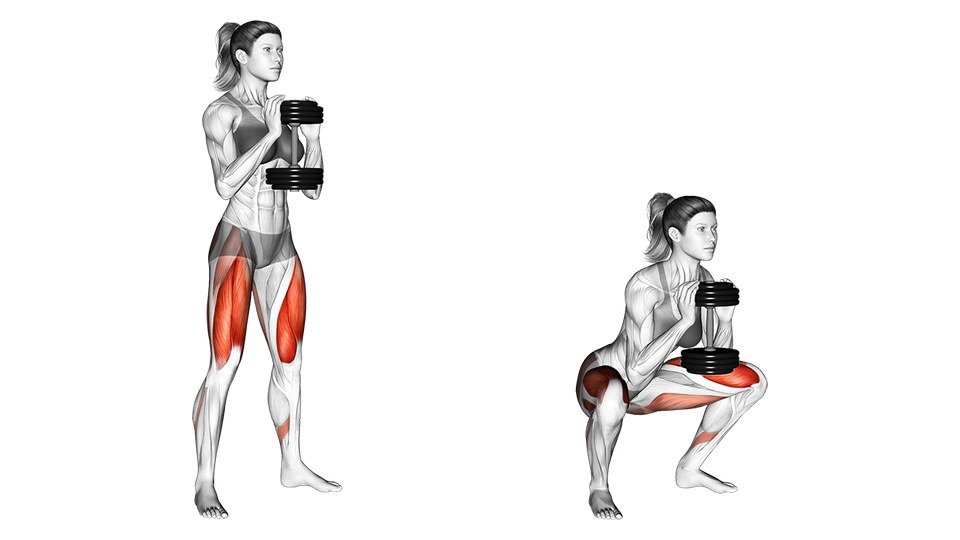
Goblet squat
Holding the weight can limit the set

Keep a barbell squat
Front squat
Front-rack support changes the task
Use lighter dumbbells per side
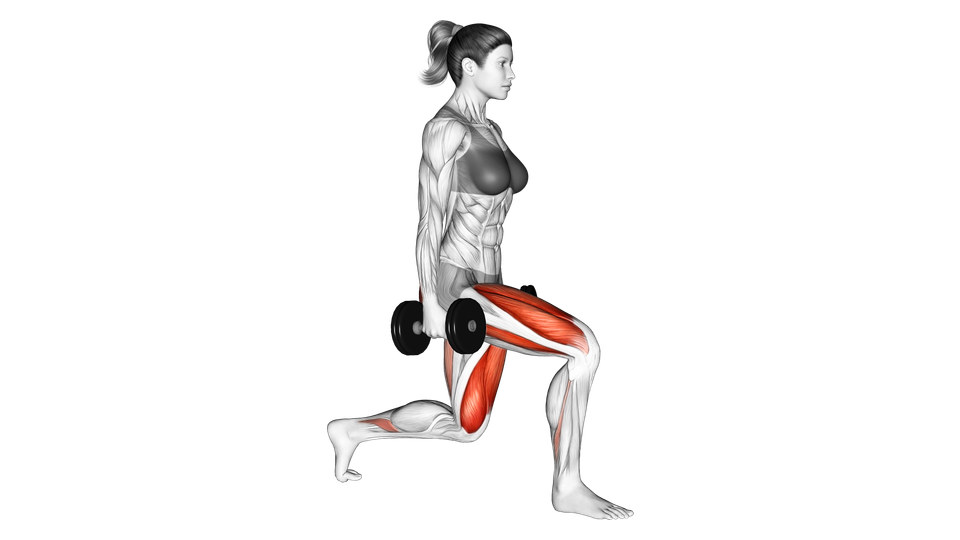
Dumbbell split squat
Balance and per-side counting matter
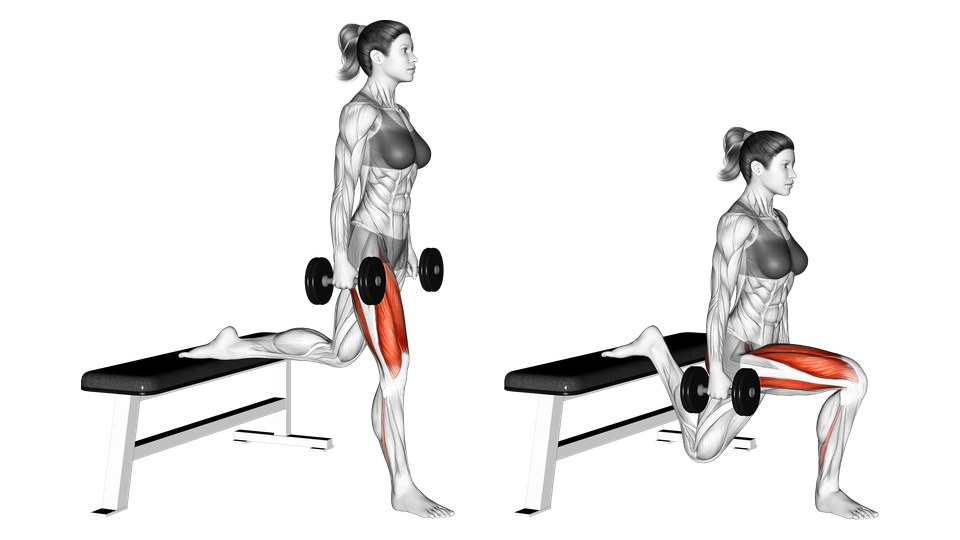
Elevate the rear foot
Bulgarian split squat
Needs a stable support and repeatable stance
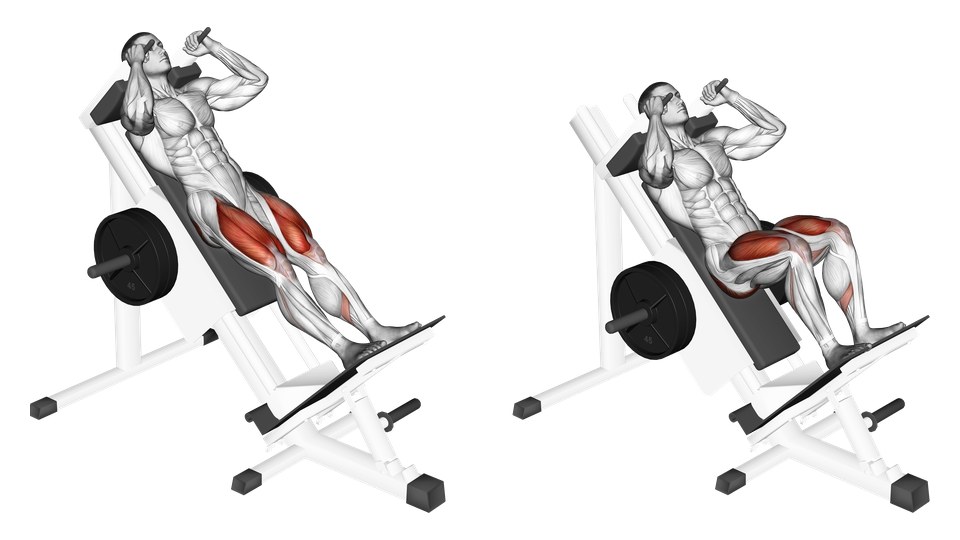
Keep a squat with back support
Hack squat
Sled and shoulder pads replace a free bar
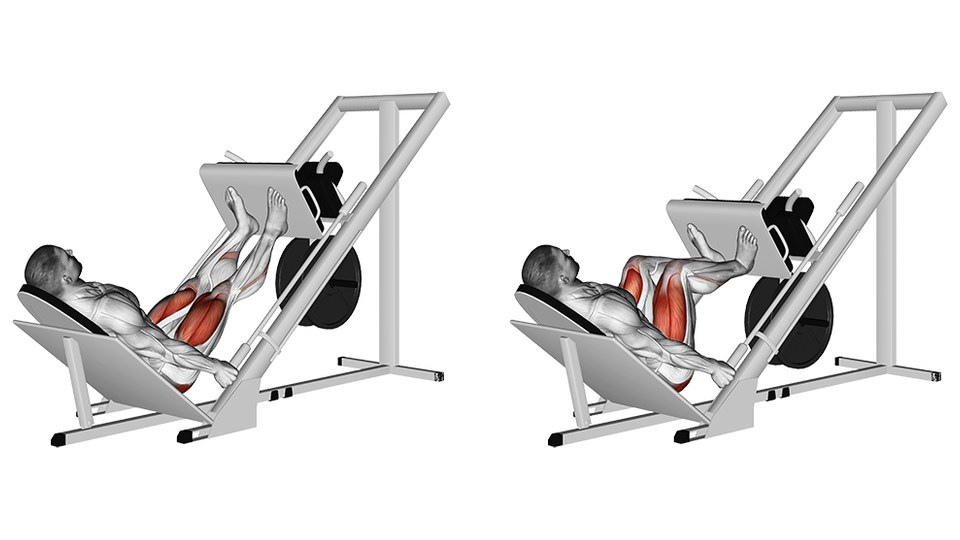
Use a seated machine
Leg press
You press a platform rather than balance a squat
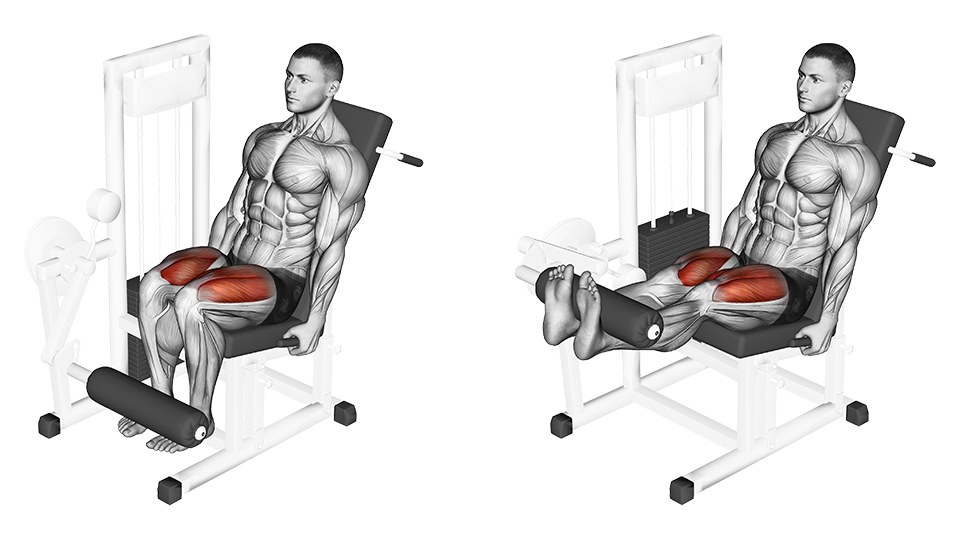
Add direct quad work
Leg extension
Knee extension alone removes the hip-extension task
For general leg training, equipment and a repeatable movement are useful selection criteria. For a stronger competition back squat, the skill of squatting with a bar remains part of the goal. A replacement can supply leg work without providing equal practice of that skill.
Goblet squats work without a rack
A goblet squat is a straightforward choice when you have one suitable dumbbell or kettlebell. Hold it close to the chest, bend the knees and hips together, and stand through a range you can control with the whole foot planted.
NASM's goblet squat instructions describe this chest-height loading position and the combined knee-and-hip movement. That supports the setup, not a claim that goblet squats beat back squats for muscle growth.
The main constraint is often getting and holding the weight at your chest. If your arms or available dumbbell end the set before your legs are meaningfully challenged, another exercise may fit better. A dumbbell split squat lets you keep the weights at your sides while changing to a per-side task.
Without weights, bodyweight squats still provide movement practice. They are not automatically a replacement for a loaded squat session: an experienced lifter may find them too easy for the intended work.
Front squats keep the barbell but need a front rack
A front squat preserves a free-weight squat with both feet on the floor. It moves the bar from the upper back to the front of the shoulders, which changes the support position and the movement you must learn.
Keep the bar supported on the shoulders rather than trying to carry the whole load in your hands. Establish a front-rack position you can maintain before adding working weight. The front squat guide shows that setup.
A front squat is useful if you want a different bar position and have a rack. It is not the answer to having no barbell, and it may be a poor immediate swap if the front rack is unfamiliar. Use light practice sets to decide whether the position fits the session.
Do not copy your back squat load. The changed rack position is enough reason to establish a fresh starting weight, even when the movement feels familiar.
Split squats help when dumbbell weight is limited
Dumbbell split squats train the legs in a staggered stance, with the weights hanging at your sides. Both feet stay on the floor; the front leg performs much of the work while the rear leg still assists.
Set a stance you can repeat and lower under control with the front foot planted. Leave enough side-to-side space between the feet to maintain balance rather than standing on a tightrope. Start without weights if finding that stance is the difficult part.
The Bulgarian split squat raises the rear foot onto a support. That adds a setup variable rather than making the exercise compulsory. If the support moves, feels awkward or makes balance the limiting factor, the floor-based split squat is a reasonable choice.
Record reps for each leg. “Two sets per side” means two left-leg sets and two right-leg sets, not four for each. Also record whether your dumbbell number means each dumbbell or the combined total.
Hack squats and leg presses add support
A hack squat or leg press is useful when the goal is leg work with a guided movement and a back pad. The hack squat moves you beneath shoulder pads; a leg press has you press a sled or platform from a seated position.
Learn the station's release mechanism and safety stops before loading it. On a hack squat, keep the feet planted and retain contact with the pad. On a leg press, select a range that does not require the pelvis to lift away from its support.
Machines vary in angle and mechanism. A plate total is not a back squat conversion, and even two leg presses can feel different at the same displayed load. Use warm-up sets on the actual machine you will train on.
The leg press alternatives guide covers the reverse decision if you later need to replace that station. Returning to a barbell squat also requires its own working weight rather than a machine-to-bar calculation.
A hinge or leg extension changes the role of the exercise
Back squats involve knee extension as well as hip extension. That is why goblet squats, split squats and the supported options above can fill a broad leg-training slot.
A Romanian deadlift is a hip hinge with relatively little knee movement. It may fit your program, but swapping squats for RDLs removes the squat's knee-extension task. Conversely, a leg extension supplies direct knee-extension work without the hip-extension movement.
If the original squat was extra quad work after another compound leg exercise, a leg extension may match that narrower aim. If it was your only main leg movement, look at the rest of the workout before making that change. Matching one muscle label is not the same as replacing the exercise's role.
Compare the muscle maps without ranking growth
The maps show anatomical targets from the linked exercise guides. Quadriceps extend the knee; the gluteus maximus contributes to hip extension. Differences in bar position, support and stance matter even when those muscle groups appear across several exercises.
Primary and secondary labels are guide descriptions, not measurements of activation or forecasts of muscle growth. Use the maps to locate the muscles, then use the equipment and movement descriptions to select your replacement.
Explore the muscle maps
Barbell back squat
Primary
Secondary
Schematic surface view. Some muscles are partly visible or not shown.
| Exercise | Primary | Secondary |
|---|---|---|
| Barbell back squat | quadriceps — vastus lateralis, vastus intermedius, vastus medialis, gluteus maximus, adductor group | hamstrings, rectus femoris |
| Goblet squat | quadriceps | gluteus maximus, adductor magnus, soleus |
| Front squat | quadriceps, gluteus maximus, adductor magnus | erector spinae, soleus |
| Dumbbell split squat | quadriceps, gluteus maximus | adductors, hamstrings |
| Bulgarian split squat | quadriceps | gluteus maximus, adductor magnus |
| Hack squat | quadriceps | gluteus maximus, adductor magnus |
| Leg press | vastus lateralis, vastus medialis, vastus intermedius, gluteus maximus, adductor magnus | rectus femoris, hamstrings, soleus |
| Leg extension | rectus femoris, vastus lateralis, vastus medialis, vastus intermedius | None listed in this guide |
Give the replacement its own starting record
Introduce the new movement with warm-up sets and a load that leaves room for controlled reps. You might begin with two manageable sets while learning the setup, then adjust based on the session. That is an introduction example, not a universal set prescription.
Keep the range and equipment stable enough to compare workouts. An extra rep is meaningful when you perform the same movement, not when you shorten the descent or move to another machine without noting it. The progressive overload guide explains how those records guide the next session.
Download RepCount for iOS or Android to log sets, reps and weight. Keep the squat alternative under its own exercise, with a note about the equipment and per-side counting.
Frequently asked questions
What is the best alternative to a barbell back squat?
The best back squat alternative depends on the job of the exercise. Goblet squats suit a simple dumbbell setup; hack squats or leg presses suit supported leg work; split squats help when available weight is limited. None duplicates every demand of a barbell back squat.
Can I build my legs without barbell back squats?
Barbell back squats are one way to train the legs. Other squat variations, leg presses and split squats also provide knee- and hip-extension work. Choose exercises you can perform consistently and load progressively rather than treating one bar position as compulsory.
Can Romanian deadlifts replace squats?
Romanian deadlifts can supply hip-hinge work, but they do not preserve the squat’s knee-extension task. If the goal is replacing a main leg exercise, choose a squat variation or leg press rather than assuming a hinge covers the same role.
Will a leg press improve my powerlifting squat equally?
A leg press trains the legs with back support and a machine path. It does not practise supporting a barbell, balancing a free squat or meeting competition depth. General leg training and practising the powerlifting squat are different goals.