Lat pulldown alternatives for gym and home
A single-arm high-cable pulldown or an assisted pull-up is a practical lat pulldown alternative when you want to keep an overhead pulling movement. If you only have dumbbells, a row can fill the back-training slot, but it changes the direction and setup of the pull.
That distinction helps when the pulldown machine is occupied or you're training somewhere new. Start with the equipment available, then decide how closely you need to preserve the original exercise. There isn't one replacement that fits every gym and home setup.
Choose by equipment and pulling pattern
Use this table to narrow the options before changing your workout. The choices reflect equipment and movement, rather than a study ranking these exercises for muscle growth.
| Available equipment | Exercise to consider | Main tradeoff |
|---|---|---|
| Adjustable cable station with a high pulley | Single-arm lat pulldown | Similar overhead pull, performed one side at a time |
| Assisted pull-up machine | Assisted pull-up | Adjustable help while you move your body toward the handles |
| Secure pull-up bar | Pull-up or chin-up | Your bodyweight is the starting resistance |
| Dumbbell and stable support | Dumbbell row | Horizontal pull instead of an overhead pull |
| Secure fixed bar at a suitable height | Inverted row | Bodyweight row; body angle changes the difficulty |
| High cable, with a reason to avoid a bent-elbow pulling exercise | Straight-arm pulldown | Shoulder movement with much less change in elbow angle |
Your starting point
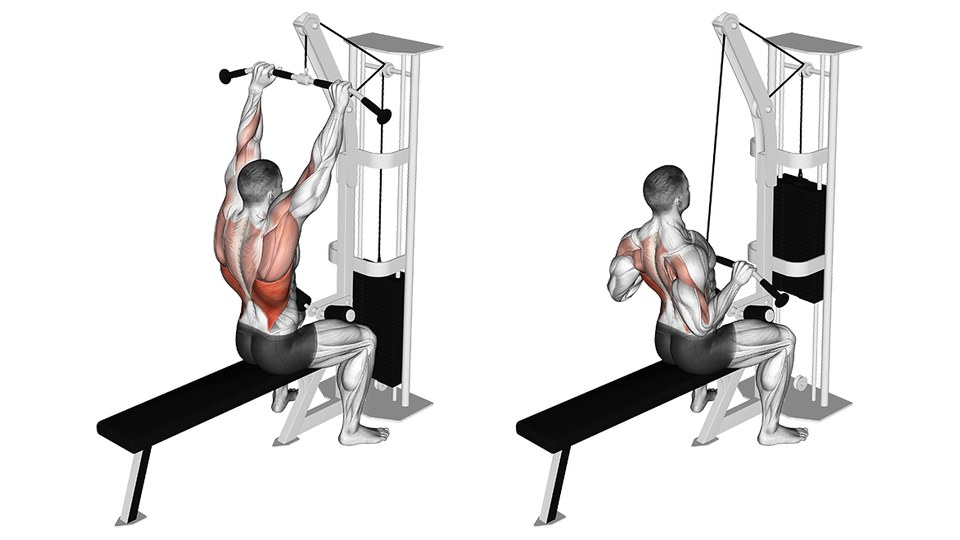
Lat pulldownFind a lat pulldown replacement that fits your equipment, and understand what changes when you use pull-ups, cables, or dumbbell rows.
Choose by your goal and equipment
Use a high cable
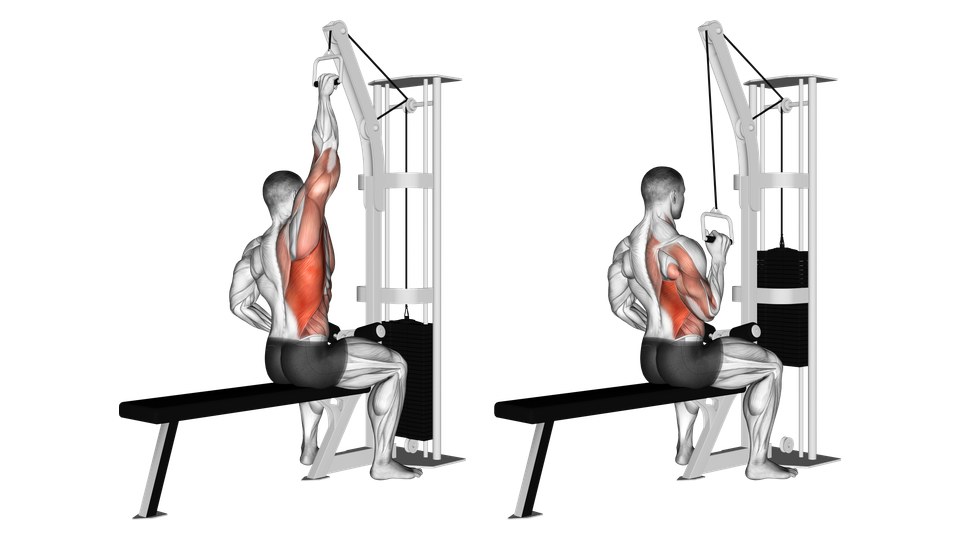
Single-arm lat pulldown
One arm at a time

Add assistance
Assisted pull-up
The body moves rather than a cable attachment
Use a fixed bar
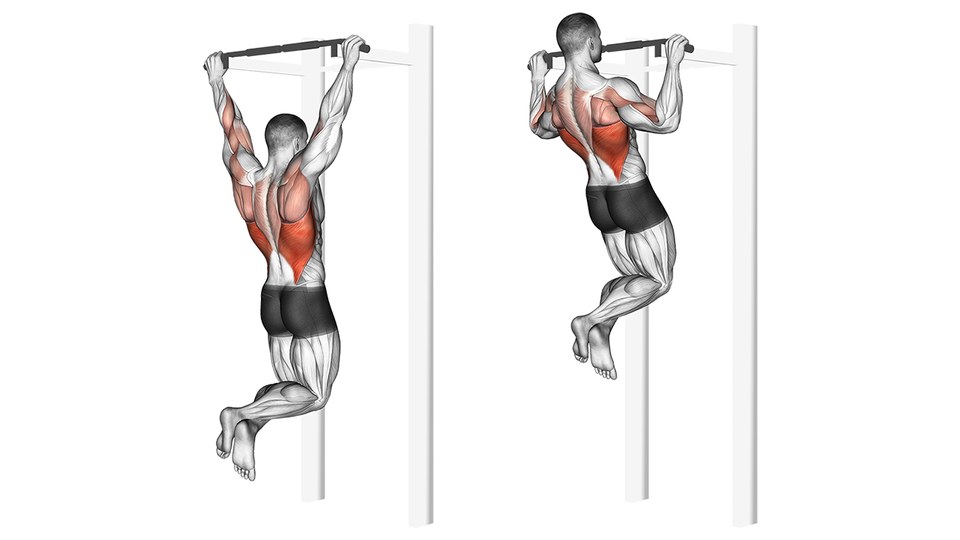
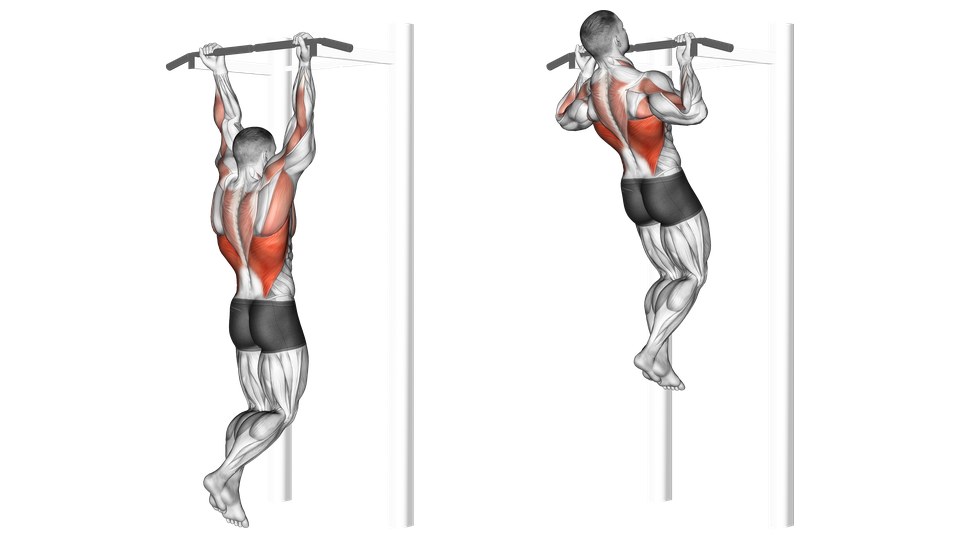
Pull-up
Bodyweight is the starting load
Change the grip
Chin-up
Underhand grip changes the setup
Use one dumbbell
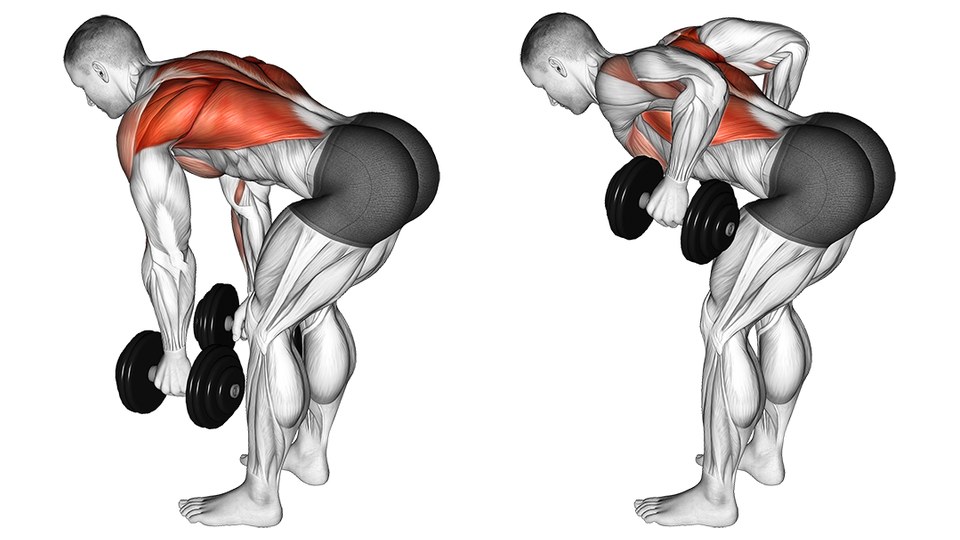
Dumbbell row
Horizontal rather than vertical pulling
Use a low fixed bar
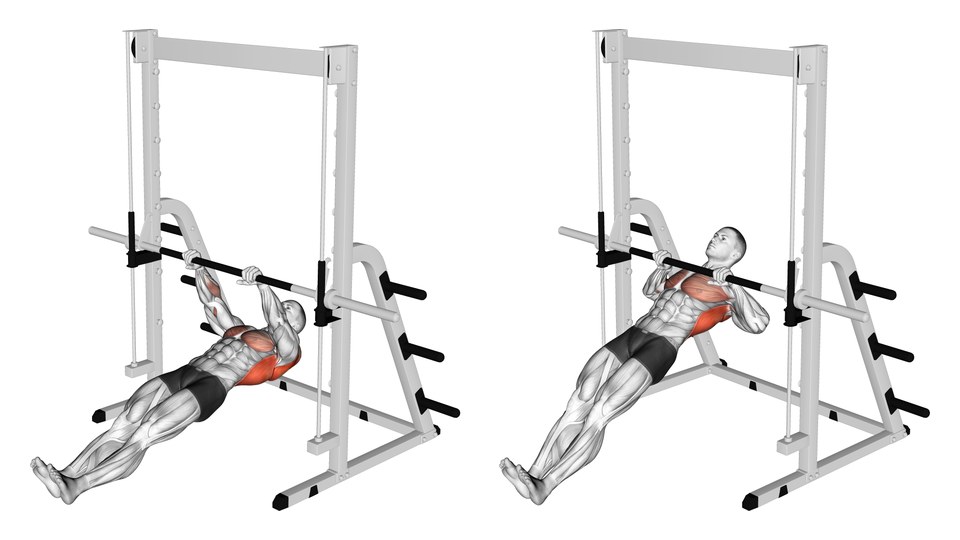
Inverted row
Horizontal rather than vertical pulling
Train shoulder extension
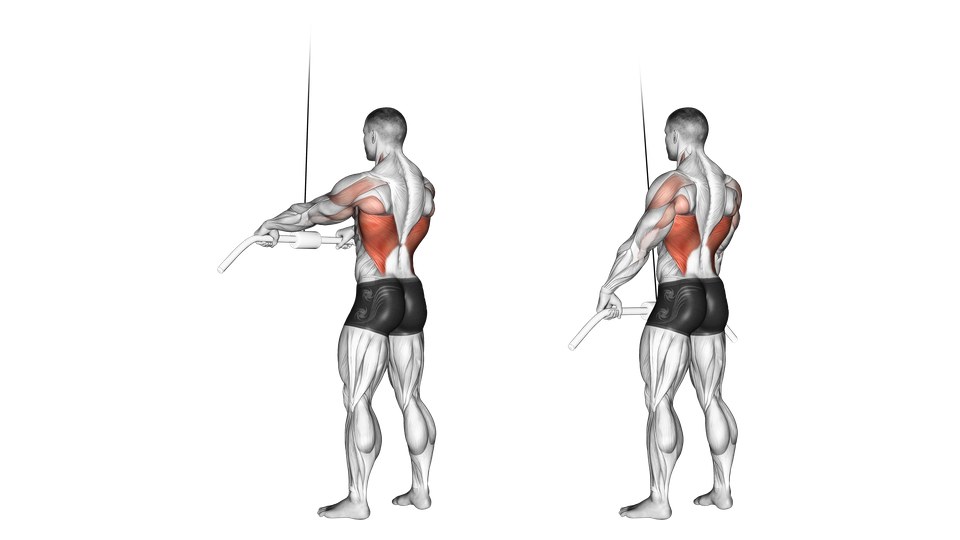
Straight arm pulldown
Elbow angle changes much less
If your workout already includes several rows, another row may add more of the same work. An assisted pull-up or high-cable pulldown keeps a clearer distinction between your rowing and overhead pulling exercises.
A single-arm cable pulldown keeps the overhead pull
A high cable gives you a close practical substitute without needing a dedicated pulldown seat. Attach a single handle and use a stable kneeling or seated position that lets the arm reach overhead.
Pull the elbow down toward your side while keeping your torso reasonably still. Let the arm return overhead under control. If you have to lean back farther on every rep, lower the weight and re-establish your position.
The single-arm lat pulldown guide shows the setup. Check the cable's travel before committing to a working set: your position must allow both the overhead start and the finish without the stack resting halfway through the rep.
Record sets and reps for each arm. Keep your body position and pulley height consistent between sessions. A kneeling cable exercise becomes hard to compare if you move farther from the machine whenever the weight feels heavy.
Assisted pull-ups let you adjust the demand
An assisted pull-up machine is a useful option if ordinary pull-ups are too demanding for the reps you want. The counterweight helps lift you, so a larger assistance setting generally makes the exercise easier.
Check how the machine's platform or knee pad moves before stepping on. Choose enough assistance to lower under control as well as pull yourself up. Getting to the top once doesn't establish a useful working setting for a whole set.
Record the assistance setting explicitly. Progress might mean more controlled reps at the same setting or less assistance for the same reps. It does not mean increasing that number in the same way you would increase a pulldown stack.
Don't treat bodyweight minus the displayed assistance as an exact pulldown equivalent. Machine mechanisms differ, and moving yourself toward handles isn't identical to pulling a cable toward a fixed seat.
Pull-ups and chin-ups work when bodyweight is manageable
Pull-ups and chin-ups both provide an overhead pulling option with a secure bar. The grip changes: a chin-up uses palms facing you, while a conventional pull-up uses palms facing away.
Choose a version you can perform with a controlled return and a repeatable range. If every rep requires a kick or a progressively shorter lowering phase, use assistance rather than forcing the planned rep count.
You also don't have to copy the pulldown prescription exactly. Replacing a set of ten pulldowns with pull-ups may require a different rep target. Establish what you can do cleanly, then build from that starting point.
If you're installing a home bar, follow its mounting and load instructions. A convenient edge or an unverified fixture isn't a substitute for equipment intended to support your weight.
Dumbbell rows are useful when you have no overhead station
A dumbbell row is a reasonable back exercise when your home equipment doesn't allow pulldowns or pull-ups. Support yourself on a stable bench, keep the torso position consistent, and pull without turning each rep into a twist.
It is still a row. Your arm starts below your torso rather than reaching overhead, and the setup changes both the movement and what you must support. That doesn't make it a bad choice; it makes it a different exercise to record and progress.
The dumbbell row guide covers the supported setup. If you already planned that movement, consider doing your normal rowing work and returning to pulldowns next session instead of adding a nearly identical exercise just to fill a list.
Without weights, a secure bar can also allow inverted rows. Change the body angle to find a manageable difficulty, keeping the support arrangement consistent. Avoid improvised furniture setups that haven't been designed to take the load.
Straight-arm pulldowns fill a different role
Straight-arm pulldowns can add shoulder-extension work using a high cable. Keep a small, fairly steady bend in the elbows as the arms move down, rather than turning the exercise into a triceps pushdown.
Because the elbows aren't bending and straightening as they do in a conventional pulldown, this isn't a complete movement replacement. It may fit an accessory slot, but it doesn't preserve the same bent-elbow pulling task.
Choose it because that movement suits the session, rather than because both exercises happen to include “pulldown” in their names.
You don't need an extreme grip width
If you can use the pulldown station but dislike its usual handle, a comfortable attachment may solve the problem without changing exercises entirely.
In Andersen and colleagues' 2014 study, whole-repetition lat muscle activity was similar across the three tested pronated grip widths. This was a short-term muscle-activity study, not a muscle-growth trial, so it doesn't establish a best grip for hypertrophy.
Use a grip that allows a controlled overhead reach and pull. There is no need to chase the widest possible hand position to make the exercise count.
Compare the muscle maps without treating them as scores
The muscle maps show the anatomical targets listed in the linked guides. Primary and secondary labels describe those guide roles, not measured muscle activation or predicted growth. A highlighted region does not establish that one alternative is better than another.
Use the maps to locate muscles, then choose the exercise by its movement, support and available equipment. These are practical comparisons, not a trial ranking every replacement.
Explore the muscle maps
Lat pulldown
Primary
Secondary
Schematic surface view. Some muscles are partly visible or not shown.
| Exercise | Primary | Secondary |
|---|---|---|
| Lat pulldown | latissimus dorsi, teres major | biceps brachii, posterior deltoid, middle trapezius, lower trapezius, infraspinatus, rhomboids |
| Single-arm lat pulldown | latissimus dorsi, teres major | biceps brachii, posterior deltoid, middle and lower trapezius, rhomboids |
| Assisted pull-up | latissimus dorsi | biceps brachii, posterior deltoids |
| Pull-up | latissimus dorsi, teres major, biceps brachii | trapezius (middle and lower fibres), infraspinatus, brachioradialis |
| Chin-up | latissimus dorsi, biceps brachii, brachialis | teres major, brachioradialis, trapezius (middle and lower fibres), rhomboids |
| Dumbbell row | latissimus dorsi, teres major, posterior deltoid, rhomboid major and minor, trapezius (middle and lower fibres) | brachialis, biceps brachii, brachioradialis, erector spinae |
| Inverted row | latissimus dorsi, trapezius, posterior deltoid | biceps brachii |
| Straight arm pulldown | latissimus dorsi | teres major, posterior deltoid, long head of the triceps |
Start a separate progression for the replacement
Use warm-up sets to find the new exercise's working difficulty. Keep the load, assistance, range, and setup clear in your records, then compare like with like next time.
RepCount lets you log sets, reps, and weight and review your previous workouts. Keep each replacement under its own exercise so a cable-stack change doesn't look like a sudden strength gain. RepCount is also available on Android.
Frequently asked questions
What is the closest alternative to a lat pulldown?
A single-arm pulldown from a high cable keeps a similar overhead pulling pattern. An assisted pull-up is another practical choice, although you move your body toward the bar rather than pulling a handle toward your body.
Can dumbbell rows replace lat pulldowns?
Dumbbell rows can fill a back-training slot when you don't have overhead equipment. They are horizontal pulls, so they change the exercise rather than reproduce a lat pulldown. Track them separately.
What if I cannot do a pull-up yet?
Use an assisted pull-up machine if one is available, selecting enough assistance for controlled reps. A high-cable pulldown also lets you choose the resistance without lifting your full bodyweight.
Is a straight-arm pulldown the same as a lat pulldown?
No. A straight-arm pulldown moves primarily at the shoulder while keeping the elbow angle fairly steady. A lat pulldown also involves bending the elbows. Straight-arm work can be useful, but it changes the role of the exercise.