
Seated cable row alternatives for gym and home
A single-arm cable row keeps a seated low-cable pull, while a machine row or chest-supported dumbbell row is a practical seated cable row alternative when you want a stable torso position. At home, a supported dumbbell row, inverted row or anchored band row can fill the horizontal pulling slot. Choose the support and equipment first, then find a new working load rather than copying the cable stack.
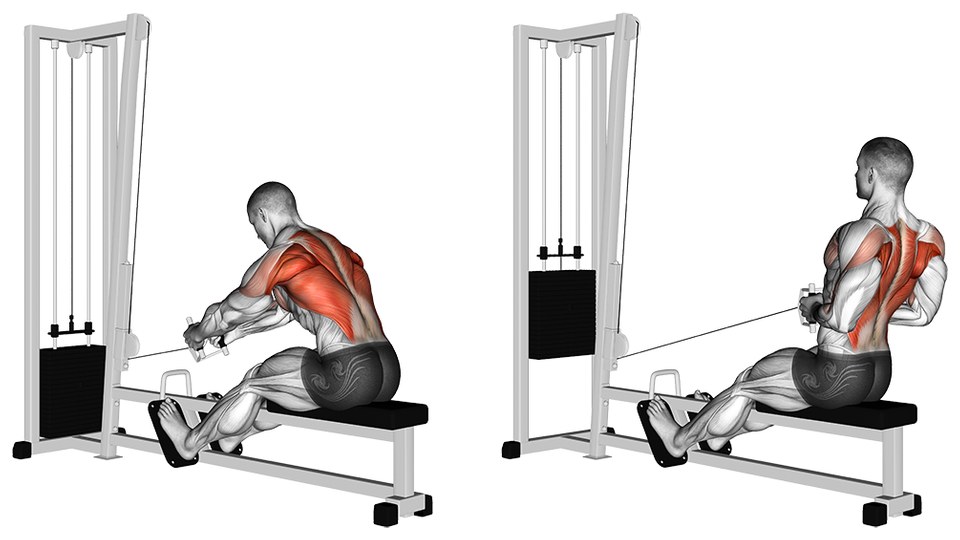
The seated cable row gives you a seat and foot support, but a typical low-row station does not support your chest. Your torso still works against the cable's forward pull. That makes support a useful way to distinguish replacements, especially if your session already includes exercises performed in a hip hinge.
Choose seated cable row alternatives by torso support
The seated cable row guide describes a horizontal pull from a low pulley toward the midsection. Handle choice changes the hand spacing and elbow path; it does not turn every row into the same movement.
| Available equipment or goal | Alternative | Main tradeoff |
|---|---|---|
| Keep a seated low-cable setup | Single-arm cable row | One side at a time |
| Use another dedicated row station | Machine row | Support and handle path vary by machine |
| Add chest support with dumbbells | Chest-supported row | Incline bench replaces the seated cable setup |
| Use one dumbbell and a bench | Dumbbell row | Supported unilateral pull from a different body position |
| Use a secure fixed bar | Inverted row | Body position changes difficulty instead of a weight stack |
| Use a band and suitable anchor | Band row | Elastic resistance and standing position |
| Keep cable resistance without a seat | Standing cable row | Stance replaces the seat and foot support |
Your starting point
Seated cable rowFind a seated cable row replacement by matching the horizontal pull and choosing the torso support your session needs.
Choose by your goal and equipment
Keep a seated low-cable pull
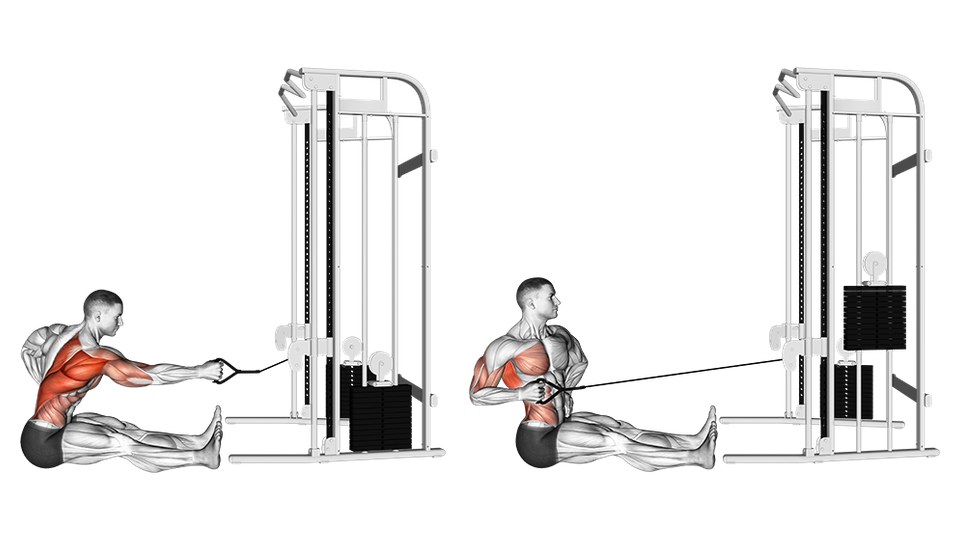
Single-arm cable row
Work and record each side separately
Use a dedicated row station
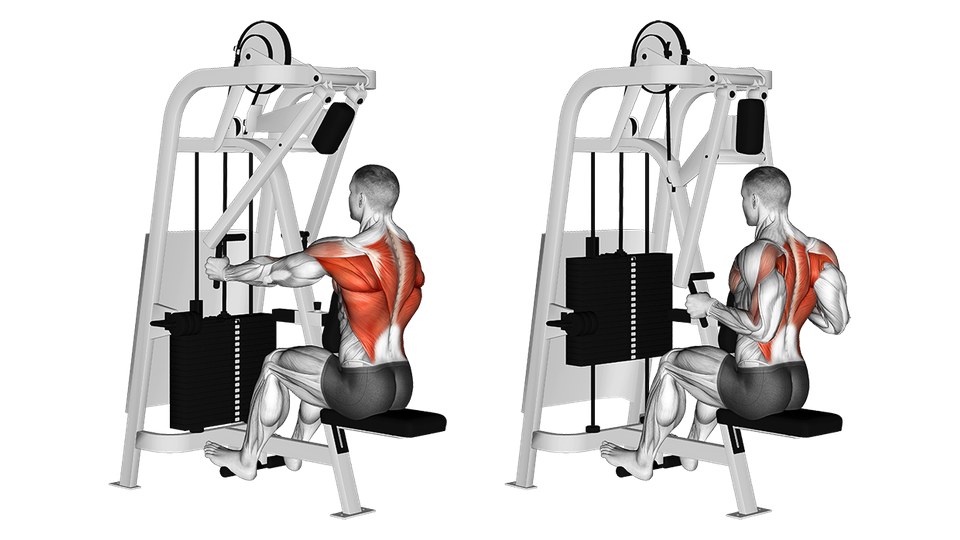
Machine row
Support and handle path depend on the machine
Support the chest with a bench
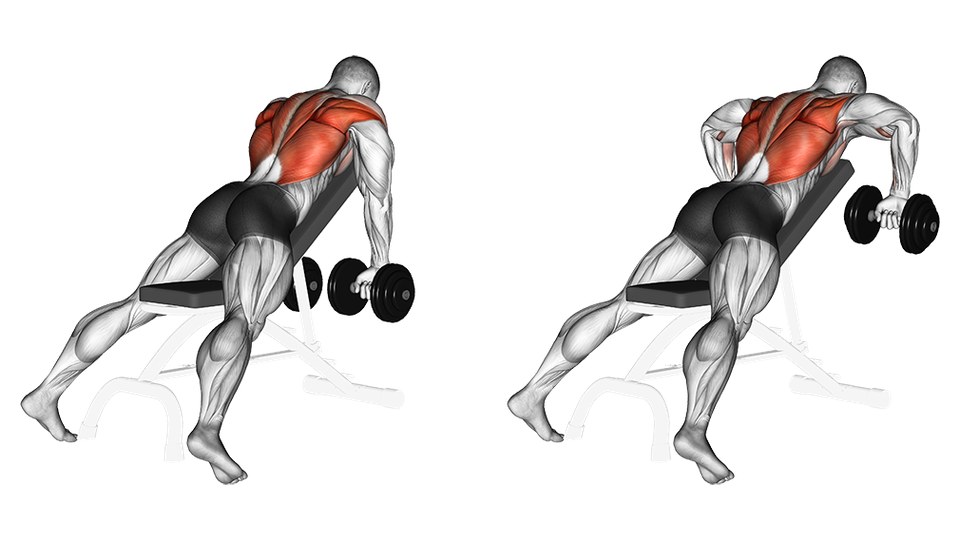
Chest-supported row
Dumbbells replace the forward cable pull
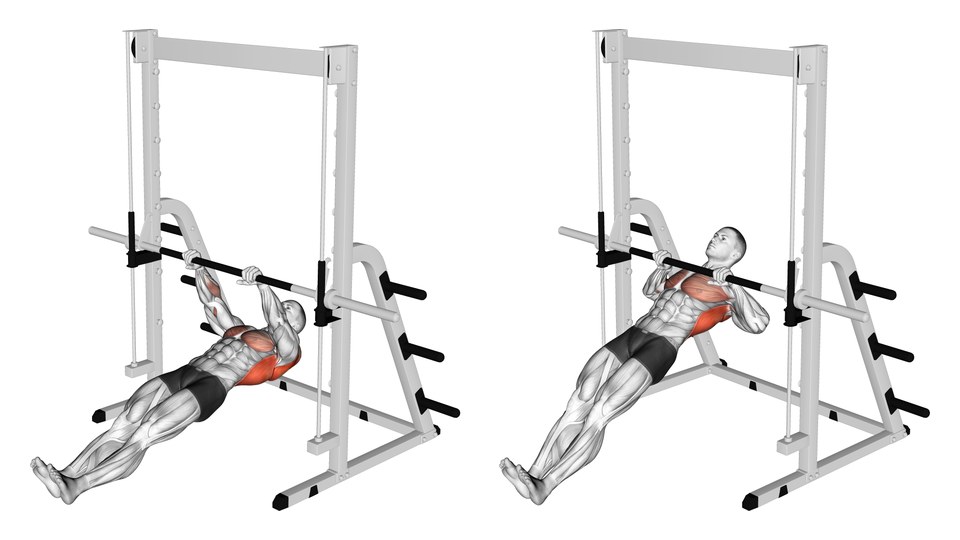
Use a secure fixed bar
Inverted row
You pull your body rather than a handle
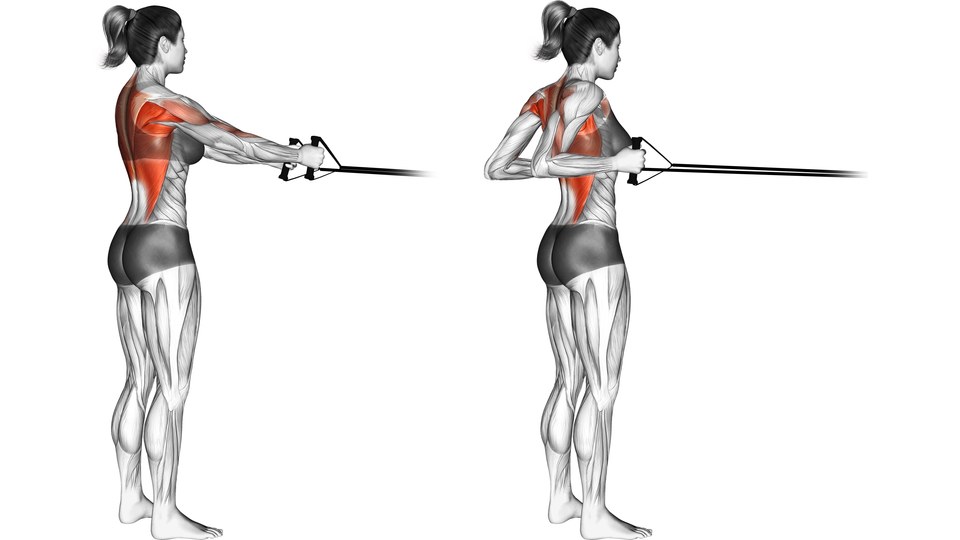
Use a band and suitable anchor
Band row
Standing position and elastic resistance
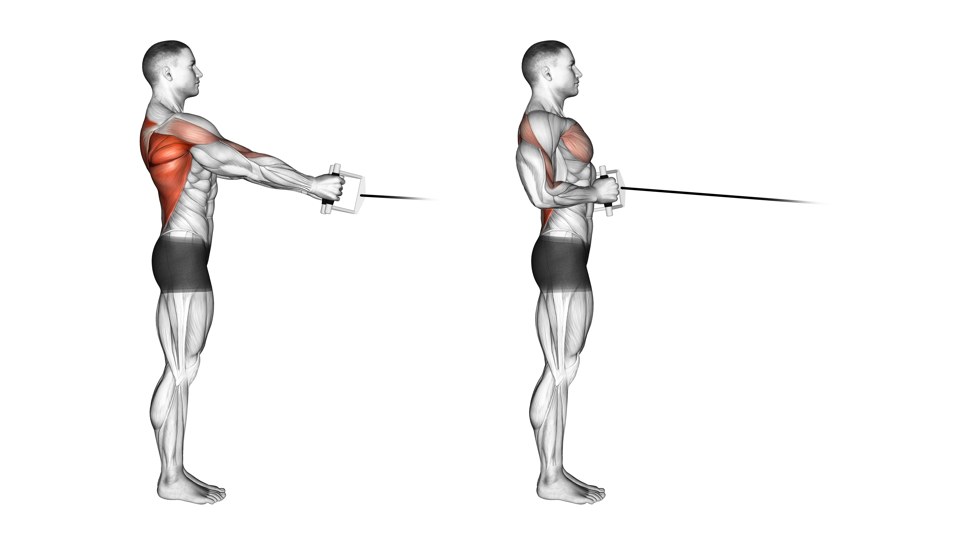
Use an adjustable cable while standing
Standing cable row
Your stance replaces seated foot support
These are choices by setup, not a study ranking back exercises. If your usual row uses a chest pad, preserve that support deliberately rather than assuming all seated rows include it.
Single-arm cable rows retain the seated cable setup
A seated single-arm cable row is a close option if a single handle is available. Face a low pulley with your feet planted, reach forward and pull the handle toward the lower ribs.
Let the shoulder blade move with the arm instead of fixing it rigidly in place. Keep the movement controlled rather than using a large backward throw to start each rep. The single-arm cable row guide allows a small controlled turn with the working shoulder, so you do not need to force an absolutely motionless torso.
Record the load and repetitions per side. The one-handed stack setting is not automatically half your usual two-handed load. Warm up and establish a working weight that suits this setup, including the demand of controlling a pull on one side.
Machine rows change the handle path and may add chest support
A machine row can preserve a seated horizontal pull while offering a dedicated station. Check whether the particular machine has a chest pad, then adjust its seat and handles so you can reach the starting position comfortably.
When using chest support, keep contact with the pad as the handles come toward you and return. Lifting away to finish changes the support you selected. Some machines have independent arms; others move both handles through one linked lever.
The machine row guide covers a seated lever row. Keep a note of the station and handle choice because another machine with the same label may have a different path. Neither a plate total nor a stack number gives a reliable conversion from your original cable row.
Chest-supported dumbbell rows remove the standing hinge task
A chest-supported row uses an incline bench to hold your torso while you row two dumbbells. It is a useful alternative when you want pulling work without maintaining an unsupported bent-over position.
Choose a bench angle that lets the arms hang and the weights move without striking the floor or frame. Keep your chest on the pad, row toward the lower ribs and lower under control. The chest-supported row guide shows this two-dumbbell setup.
The movement remains a row, but gravity pulls the dumbbells downward rather than a cable pulling forward from a seated station. Getting the weights into position also becomes part of the setup. Start with a manageable load and record the bench angle alongside it.
A supported dumbbell row needs one weight
A one-arm dumbbell row works when you have one weight and a stable bench. Support yourself with the other hand and, for the version used here, the knee on the bench. Keep the torso position consistent while rowing the weight toward the side of the ribcage.
There are several dumbbell-row setups, so name the one you are using. The dumbbell row guide describes their differences; a supported unilateral row and a standing two-dumbbell hinge row should not share an indistinguishable log entry.
Count the sets and reps for each side. Avoid turning the trunk to lift a heavier dumbbell than the chosen setup allows. The support changes the task, but it does not mean the rest of the body does no work.
Inverted rows move your body toward a fixed bar
An inverted row is a horizontal pulling option when you have a secure bar and enough space underneath it. Pull your chest toward the bar while keeping the body position consistent, then lower under control.
Set the body angle to a difficulty you can manage. A more upright position usually makes the movement easier; moving toward a more horizontal position makes it harder. Record the bar height and foot position instead of logging bodyweight as if it were a cable-stack setting.
Use a bar and support intended to hold your weight, following the equipment instructions. The inverted row guide uses a fixed bar, not an improvised table or loose piece of furniture.
Band rows and standing cable rows change the support
A band row keeps a pull toward the ribs using elastic resistance. The band row guide uses a standing position with the band attached to a suitable anchor in front of you.
Inspect the band and test the anchor gently before the set. Keep the same band, anchor height and distance from the anchor when comparing sessions. Stepping farther away changes resistance even if the band colour stays the same.
A standing cable row is another option when an adjustable station is free but the seated row is occupied. Keep a repeatable stance and pull without leaning farther backward on each rep. Both standing choices remove the original seat and foot support, so they are a meaningful setup change rather than a renamed seated row.
A barbell row is a larger support change
A barbell row can replace the general horizontal pulling work, but it adds an unsupported standing hip hinge. If your reason for choosing a seated cable row was its setup, a barbell row may solve the equipment problem while changing the part you wanted to preserve.
Fenwick and colleagues compared inverted rows, standing bent-over rows and standing one-arm cable rows in seven healthy men. The exercises produced different trunk demands and measured spinal loads. The study did not test seated cable rows or muscle growth, so it cannot rank these replacements for hypertrophy or establish an injury-risk comparison.
For more choices specifically around unsupported and supported lever rows, see the T-bar row alternatives guide. Choose a barbell row because that setup fits the session, not because every exercise called a row is equivalent.
Compare the muscle maps without treating them as scores
The maps show the anatomical targets in the linked guides. Primary and secondary labels describe those guide roles rather than measured activation or expected muscle growth. Different levels of detail in a guide's target list do not establish a winner.
Use the maps to locate the muscles, then compare the cable path, torso support and elbow movement. A row is also a different task from an overhead pull such as a lat pulldown.
Explore the muscle maps
Seated cable row
Primary
Secondary
Schematic surface view. Some muscles are partly visible or not shown.
| Exercise | Primary | Secondary |
|---|---|---|
| Seated cable row | latissimus dorsi, teres major, posterior deltoid, middle trapezius, rhomboids | lower trapezius, infraspinatus and teres minor, biceps brachii, brachialis, brachioradialis, erector spinae |
| Single-arm cable row | latissimus dorsi, trapezius, middle and lower fibres, rhomboids, posterior deltoid | biceps brachii, brachialis, brachioradialis |
| Machine row | latissimus dorsi, trapezius, middle and lower fibres, rhomboids, posterior deltoid | biceps brachii, brachialis, brachioradialis |
| Chest-supported row | latissimus dorsi, trapezius, middle and lower fibres, rhomboids, posterior deltoid | biceps brachii, brachialis, brachioradialis |
| Inverted row | latissimus dorsi, trapezius, posterior deltoid | biceps brachii |
| Band row | latissimus dorsi, rhomboids | biceps brachii, rear deltoids |
| Standing cable row | latissimus dorsi, middle and lower trapezius | rear deltoids, biceps |
Start a new progression for the replacement
Warm up on the new exercise and use the first session to establish repeatable work. Keep the machine, support and grip clear in your records so the next session compares the same setup.
Download RepCount to log sets, reps and weight and review previous workouts. Save each replacement as its own exercise instead of mixing machine numbers and dumbbell weights into one cable-row history. RepCount is also available on Android.
Frequently asked questions
What is the closest seated cable row alternative?
A seated single-arm cable row keeps a low-cable horizontal pull while training one side at a time. A machine row is another practical option, but its chest support and handle path depend on the station.
What can replace seated cable rows at home?
A chest-supported dumbbell row works if you have an incline bench and two dumbbells. A supported one-arm dumbbell row needs one weight and stable support. A band row needs a suitable anchor, while an inverted row requires a secure bar designed to hold your weight.
Can barbell rows replace seated cable rows?
Barbell rows can fill a horizontal pulling slot, but they require you to hold a standing hip hinge while supporting a free bar. That is a larger support change than a chest-supported row or seated machine row. Start a separate progression rather than copying cable-stack weight.
Should I use the same weight on a rowing machine and a cable row?
Start with warm-up sets on the replacement row and find a repeatable working load. Machine levers, pulley arrangements and weight labels differ, so the same displayed number does not establish the same resistance at the hands.