
Bodyweight split squat
Also called bodyweight split squats, unweighted split squat, bodyweight static lunge.
What is a bodyweight split squat?
The bodyweight split squat is a stationary split-stance exercise performed without external weight. Both feet stay in place while you lower and raise the body, loading one leg at a time. It mainly trains the quadriceps and gluteus maximus, with the adductors and hamstrings assisting.
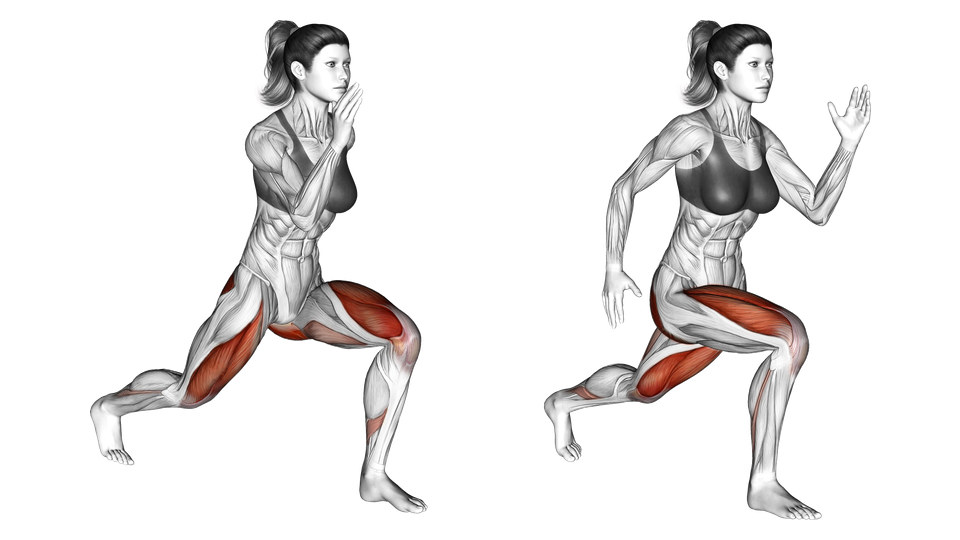
How do you perform a bodyweight split squat?
Set up
- Take a comfortable split stance with the rear heel raised and your arms in a position that helps you balance.
- Set the feet far enough apart that you can lower the rear knee without the front heel lifting.
Execution
- Lower straight down by bending both knees, keeping most of your pressure through the front foot.
- Stop before the rear knee hits the floor or when your comfortable range ends.
- Push through the front foot to return to the same split stance, then repeat before switching sides.
Common mistakes
Drifting forward onto the toes
The front heel lifting makes the stance unstable and changes the path from a controlled vertical descent.
Pushing hard from the rear leg
The back foot is mainly a support; driving from it reduces the work done by the front leg.
Changing stance between repetitions
A moving base makes range and balance different from one rep to the next.
Where it fits in a session
Usually used to learn and practise the split-squat pattern, as unilateral leg work with no equipment, or before adding external load.
Keep the range controlled and add load only after both feet remain in the same position for every repetition.
Muscles worked
Primary
Secondary
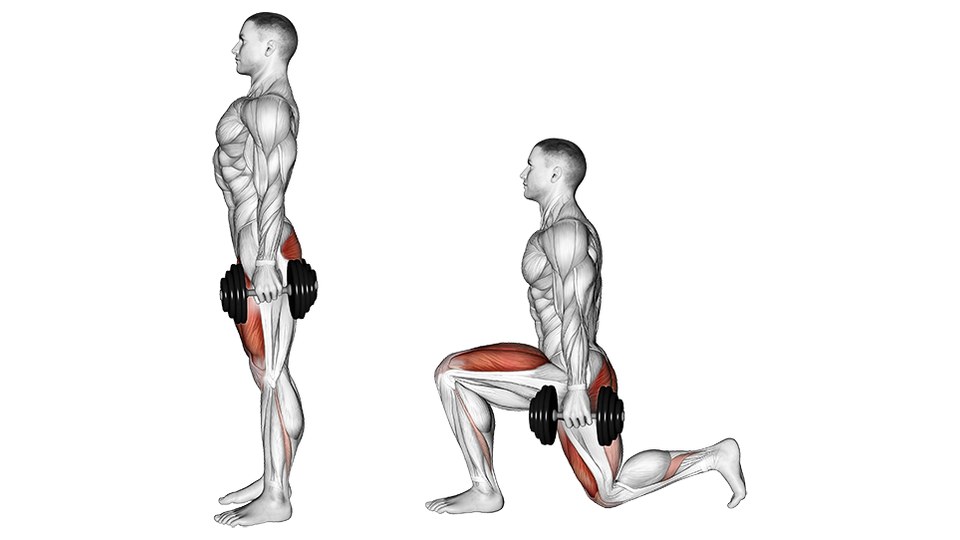
Schematic surface view. Some muscles are partly visible or not shown.
The front leg supplies most of the force while the rear foot stays on the floor for balance.
Variations
Frequently asked questions
What muscles do bodyweight split squats work?
They mainly train the quadriceps and gluteus maximus of the front leg. The adductors and hamstrings assist.
What is the difference between a bodyweight split squat and a lunge?
In a split squat, the feet stay in place for the set. A lunge includes a step into or out of the split stance.
Is a bodyweight split squat the same as a Bulgarian split squat?
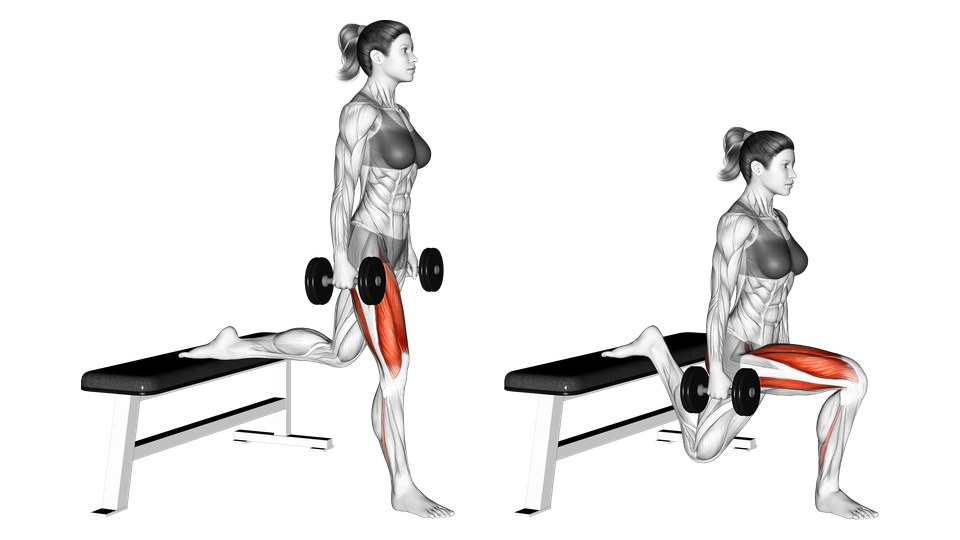
No. A standard split squat keeps the rear foot on the floor; a Bulgarian split squat supports it on a bench or platform.
How do I make bodyweight split squats harder?
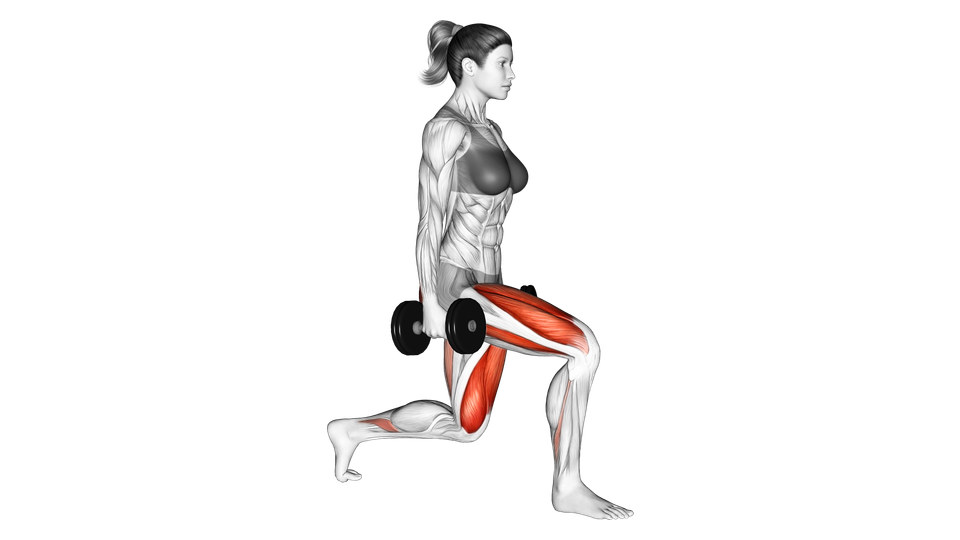
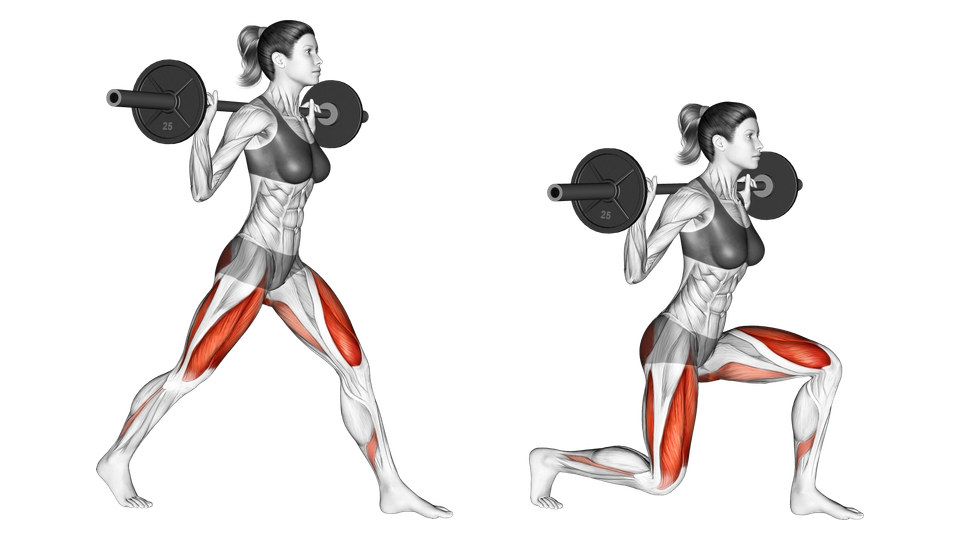
First use a controlled range without changing the stance. When that is consistent, the dumbbell or barbell versions add external load.