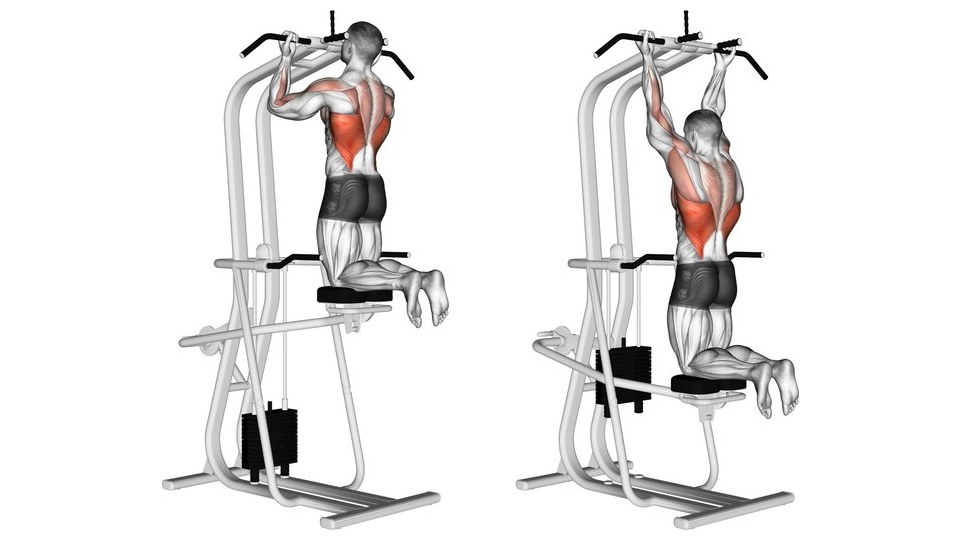
Assisted chin-up
Back · Biceps
Machine
Exercises by muscle
Choose a pull from overhead, a row, or work for the muscles alongside the spine. Start with the movement your workout needs, then compare the support and equipment below.
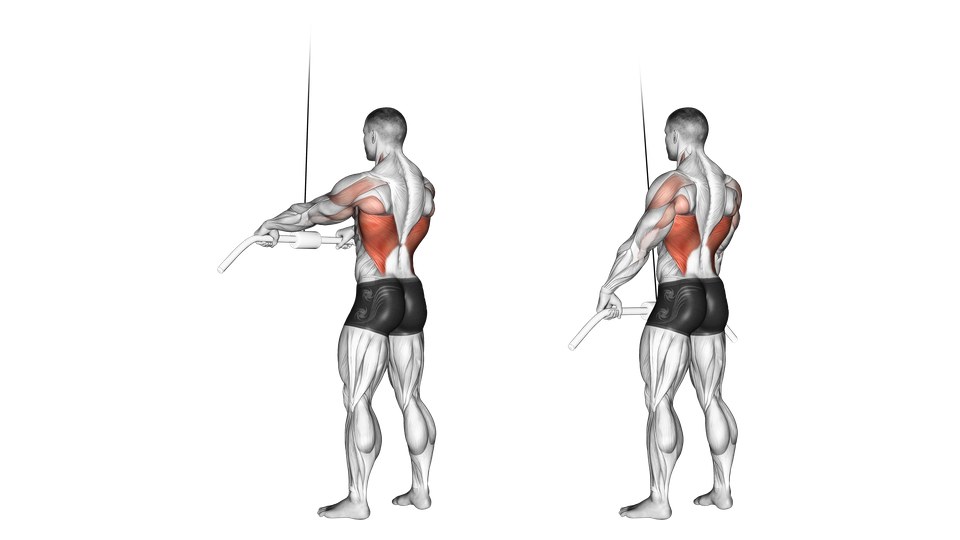
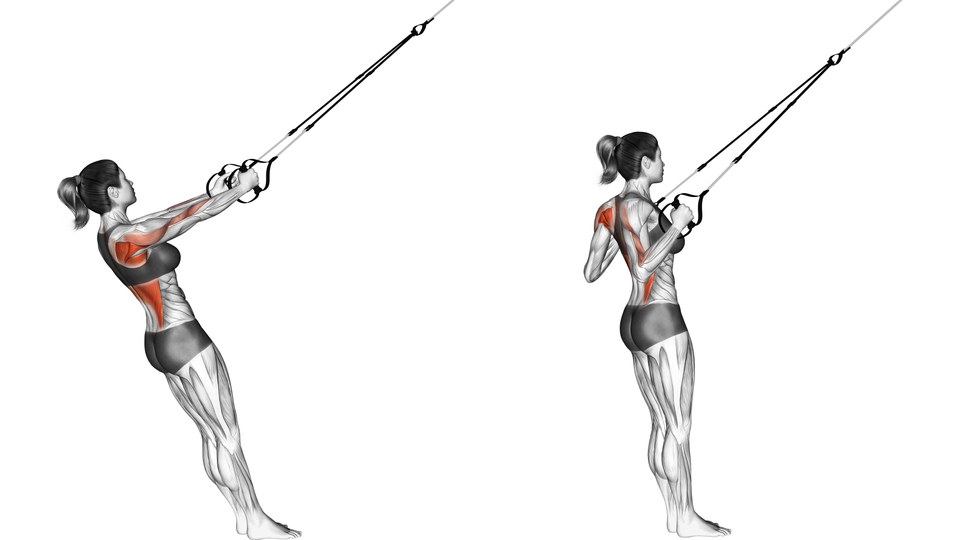
The back view shows the lats, trapezius and visible spinal-extensor regions. Deeper muscles, including the rhomboids, are not shown.
The back includes several muscle groups with different jobs. The lats help move the upper arms toward the body, muscles around the shoulder blades contribute to rows, and the spinal extensors support or extend the trunk. A row and a back extension do not fill the same role.
Compare a seated pulldown with a bodyweight pull. The load and support differ even though both start with the arms overhead.
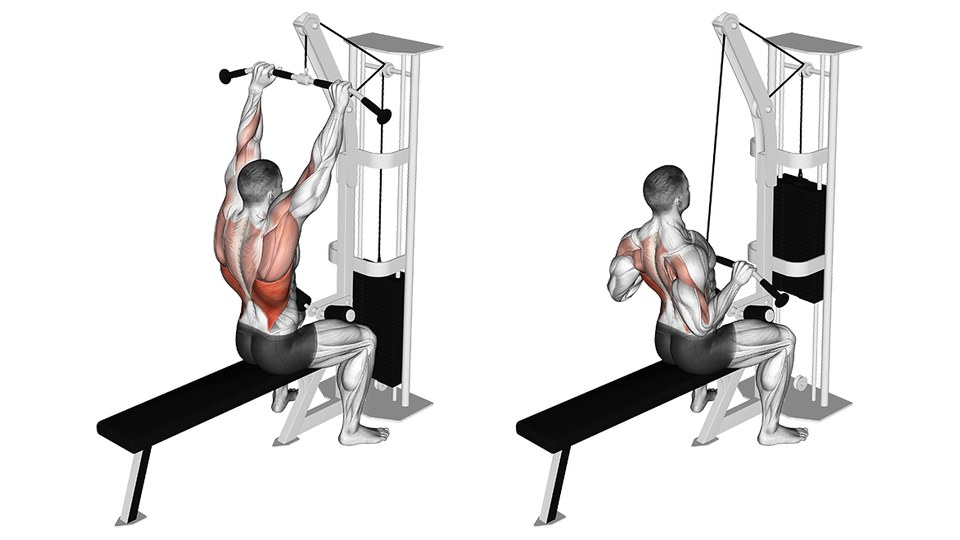
A seated pull with a weight stack and thigh restraint. Adjust the pad and choose a grip you can control; grip width alone does not identify the best option for growth.

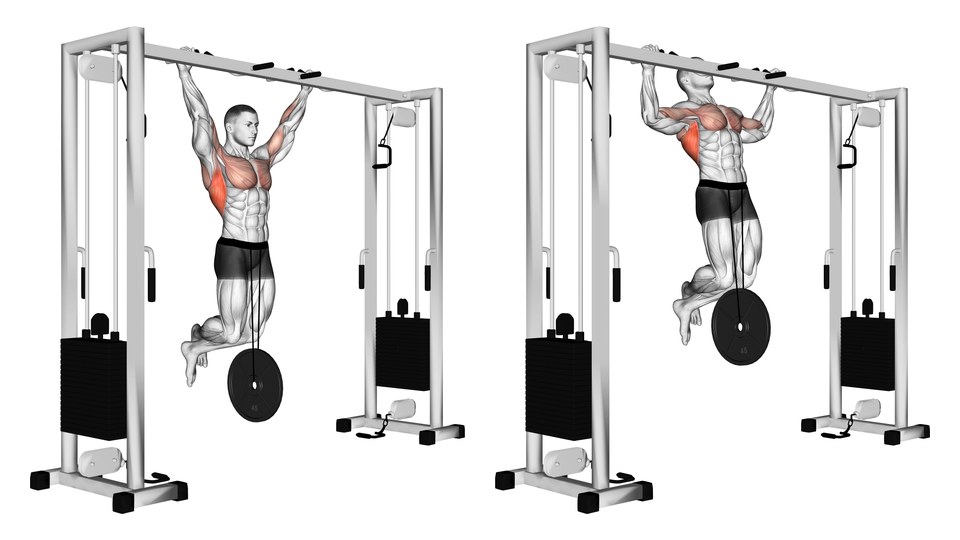
A pull-up with machine assistance. More assistance reduces the load you lift, so record the assistance setting separately from pulldown weight.
Both options pull toward the torso. Choose whether you want a bench supporting your chest or a seated cable setup.
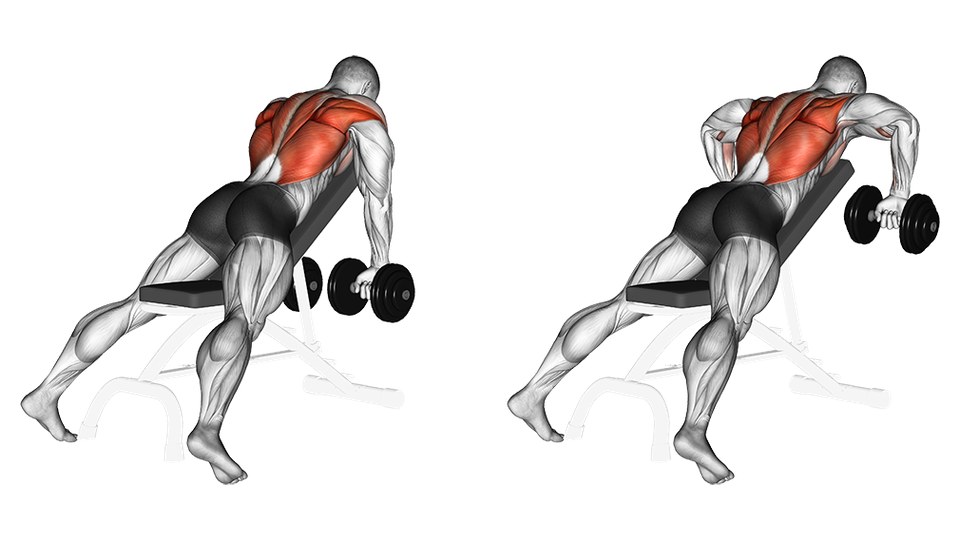
Two dumbbells and an incline bench support the chest, removing the need to hold a bent-over position. Leave enough clearance for the weights.
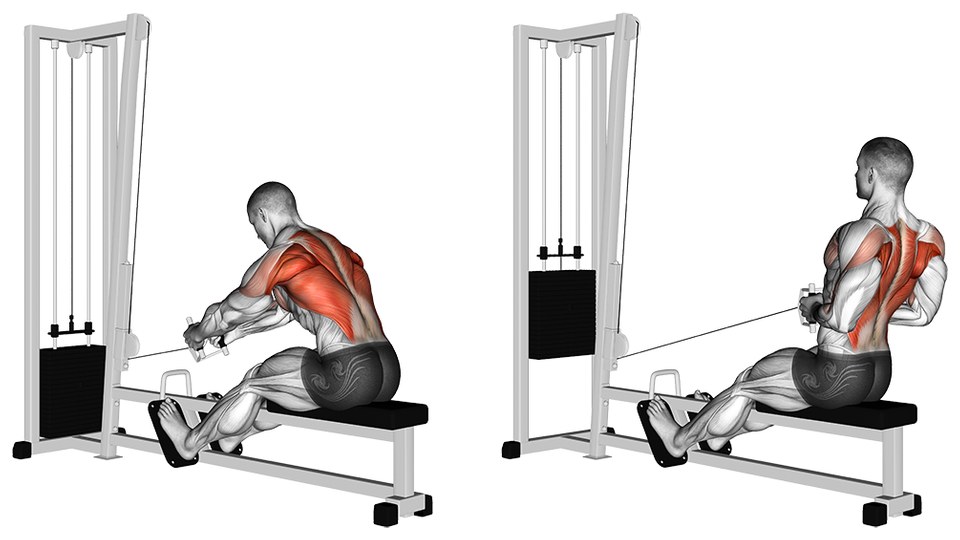
A seated cable pull using a handle and foot support. Keep the torso movement consistent so the weight and reps remain comparable.
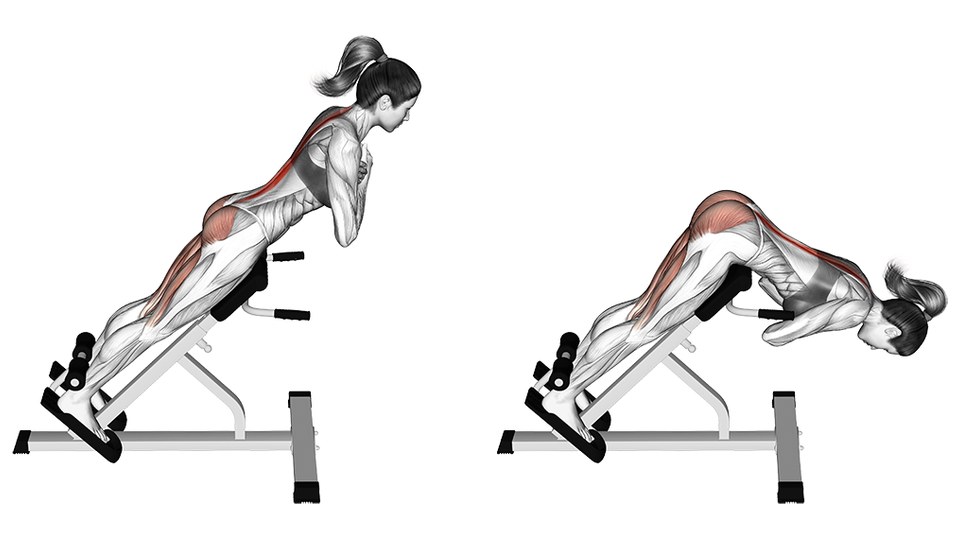
This fills a different role from pulling with the arms.
A pulldown keeps an overhead pulling pattern; a row pulls from in front of the body. A back extension trains a different action. Pick the pattern first, then the implement.
If holding a hip hinge limits a barbell row, a chest-supported row changes that demand. Start a separate working weight when you change the bench, handle or machine.
Guides: 50
Back · Biceps
Back
Back · Hamstrings · Glutes
Back
Back
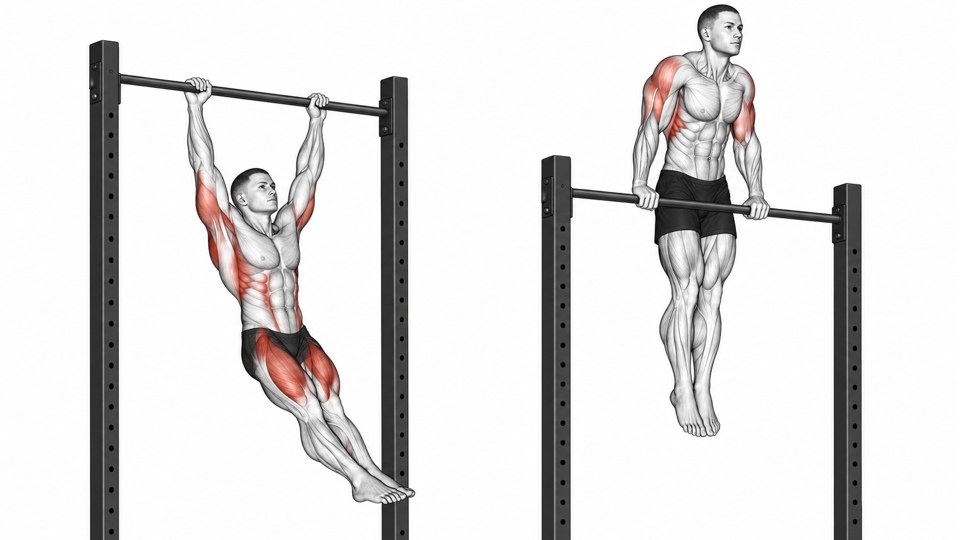
Chest · Back · Biceps · Triceps
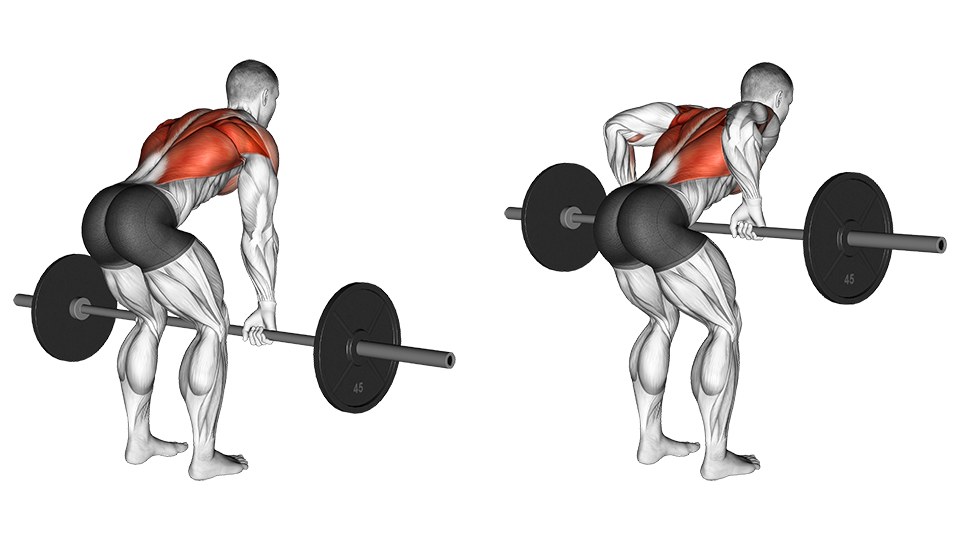
Back · Shoulders
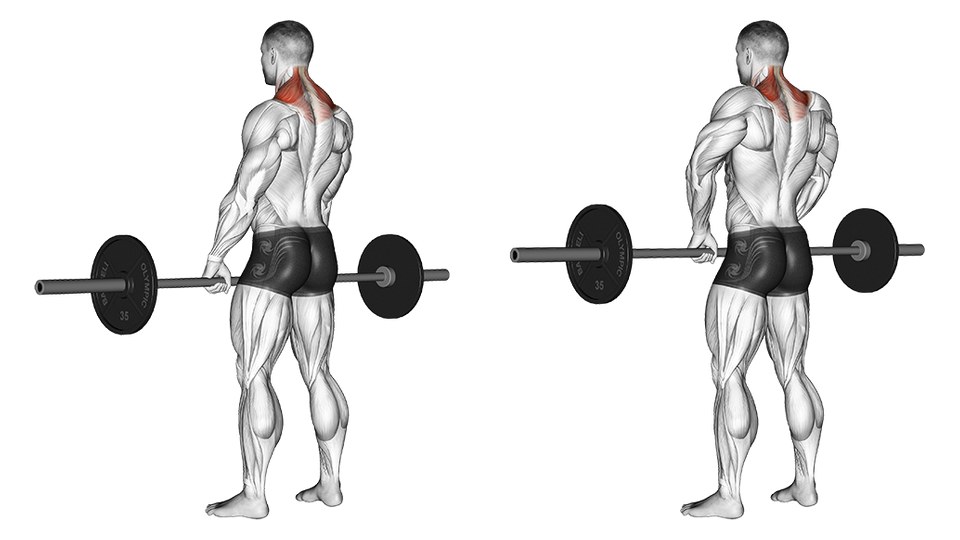
Back
Variations
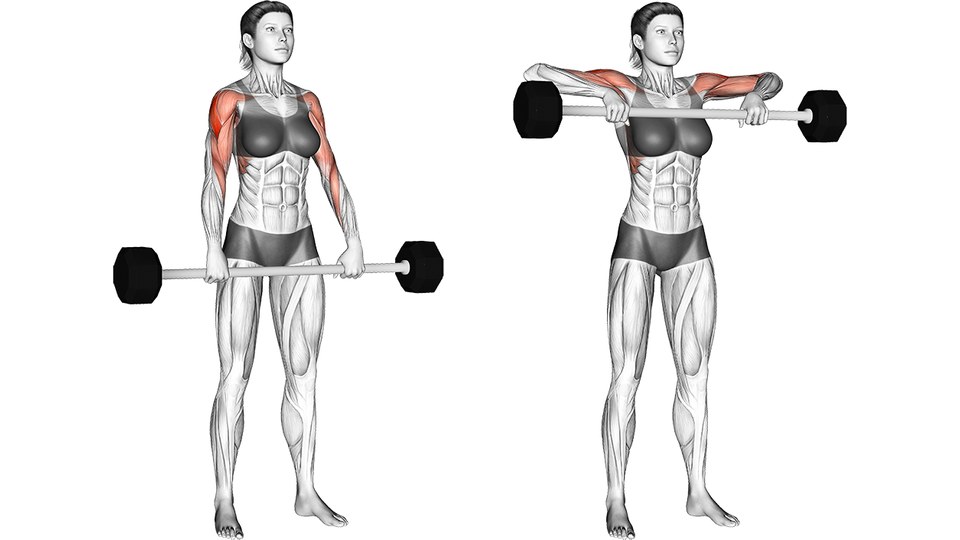
Back · Shoulders
Variations
Back · Shoulders
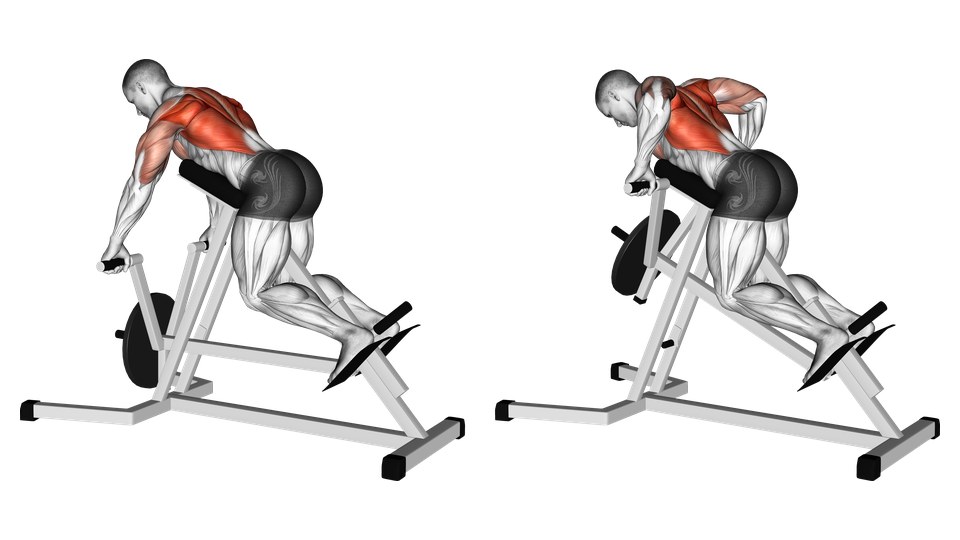
Back
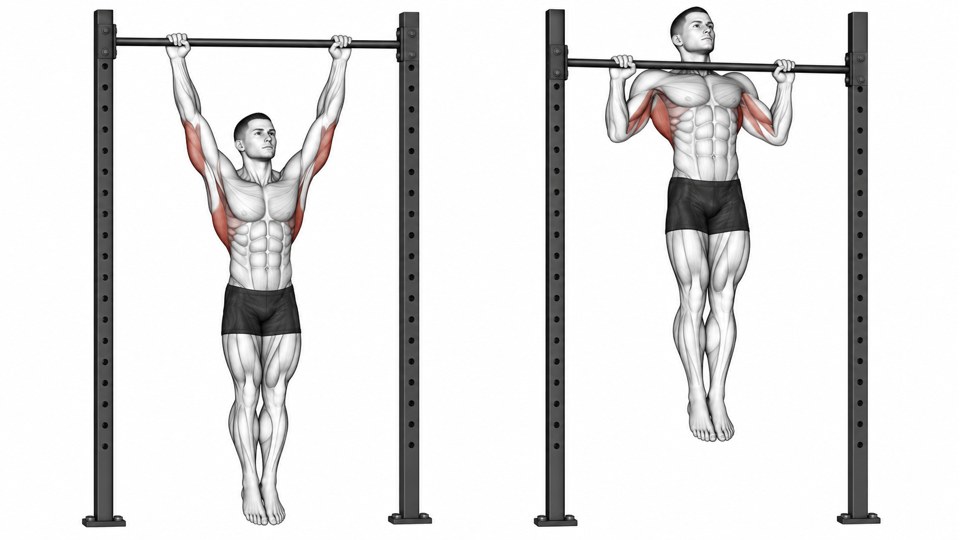
Back · Biceps
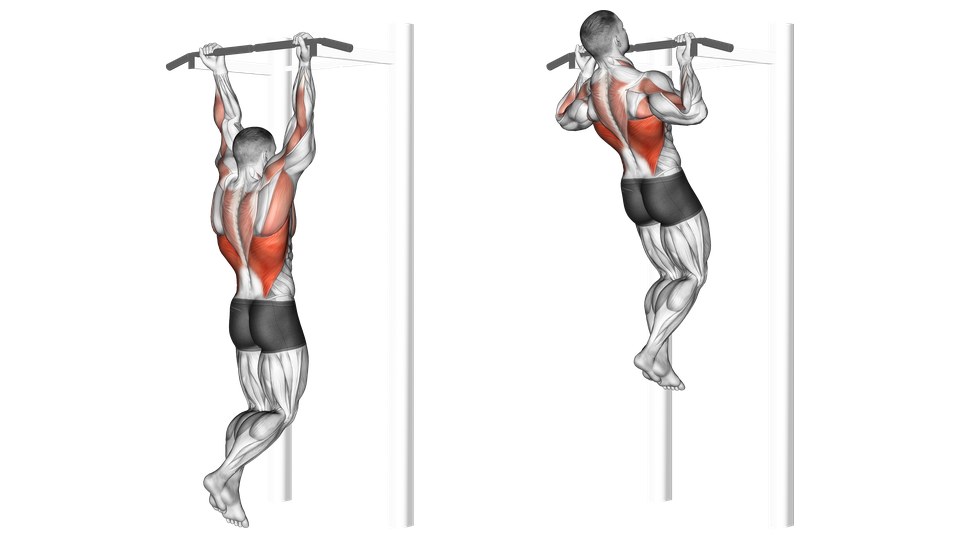
Back · Biceps
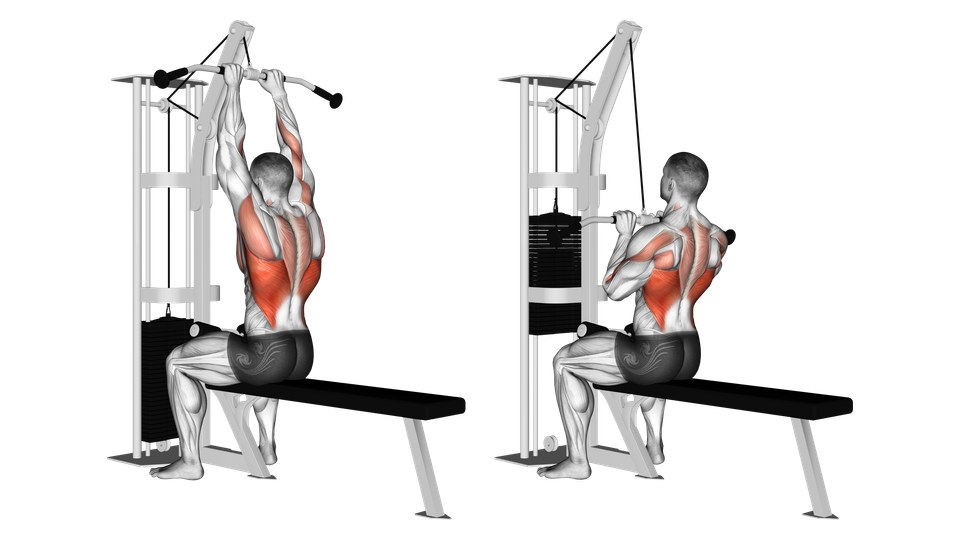
Back
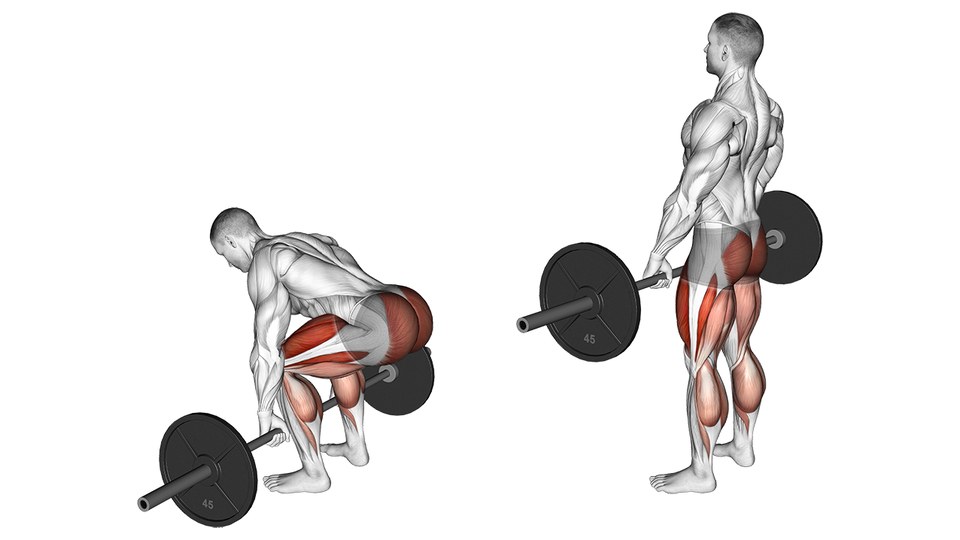
Back · Quads · Hamstrings · Glutes · Adductors
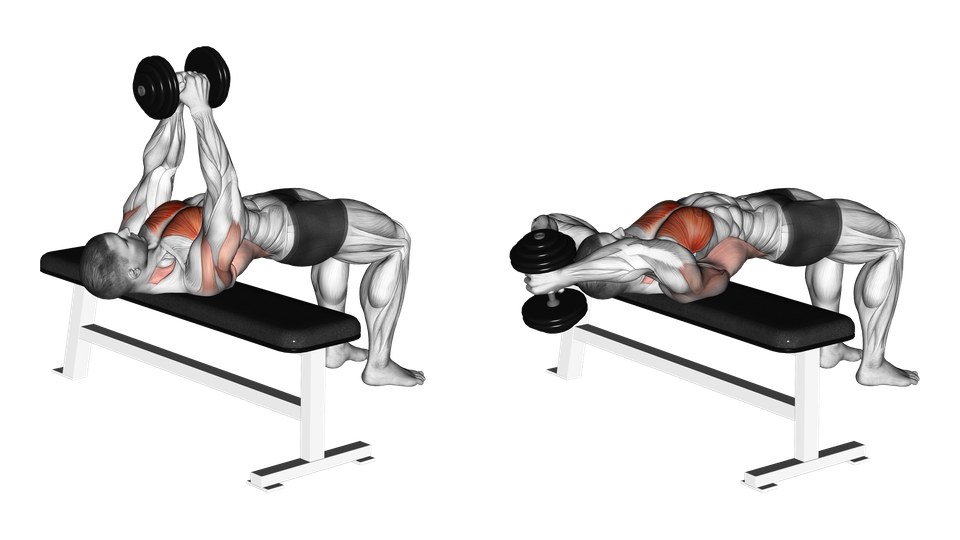
Chest · Back
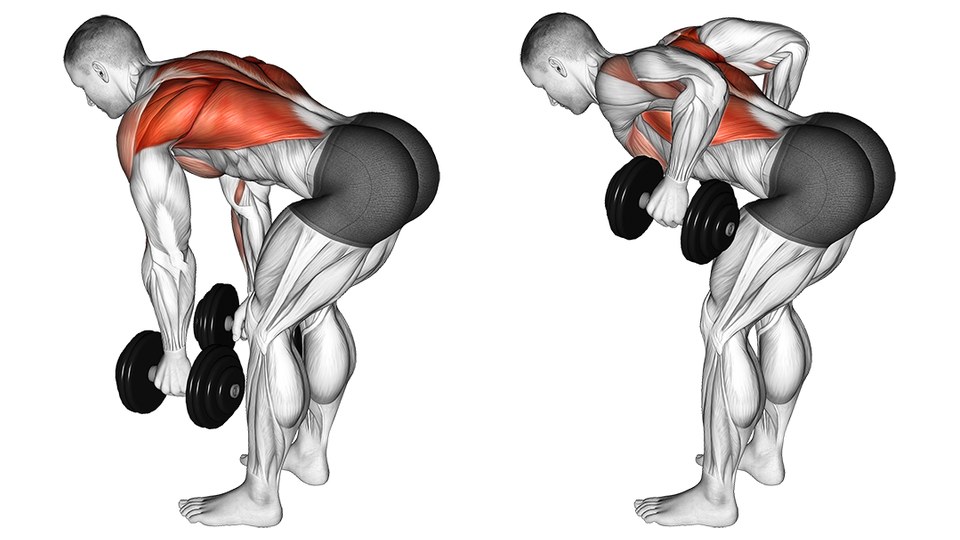
Back · Shoulders
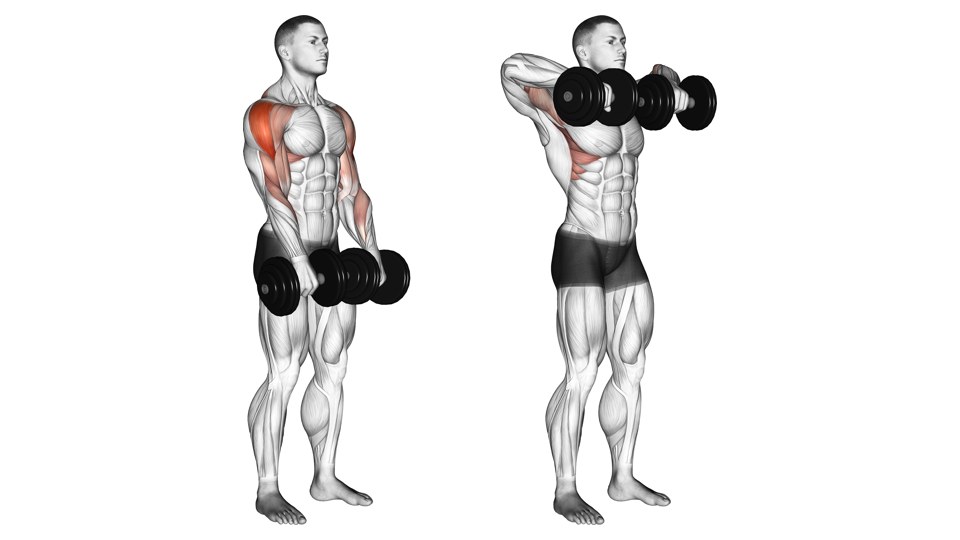
Back · Shoulders
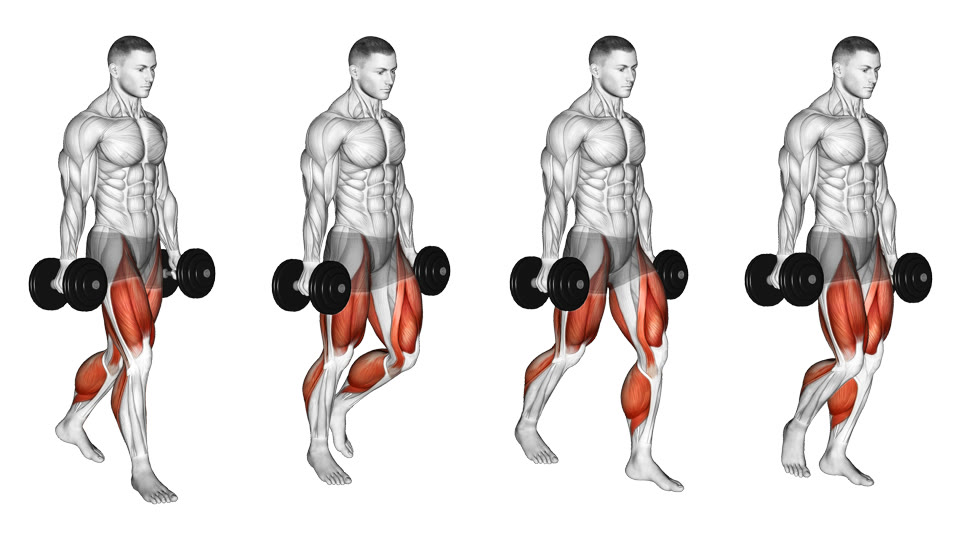
Back · Forearms
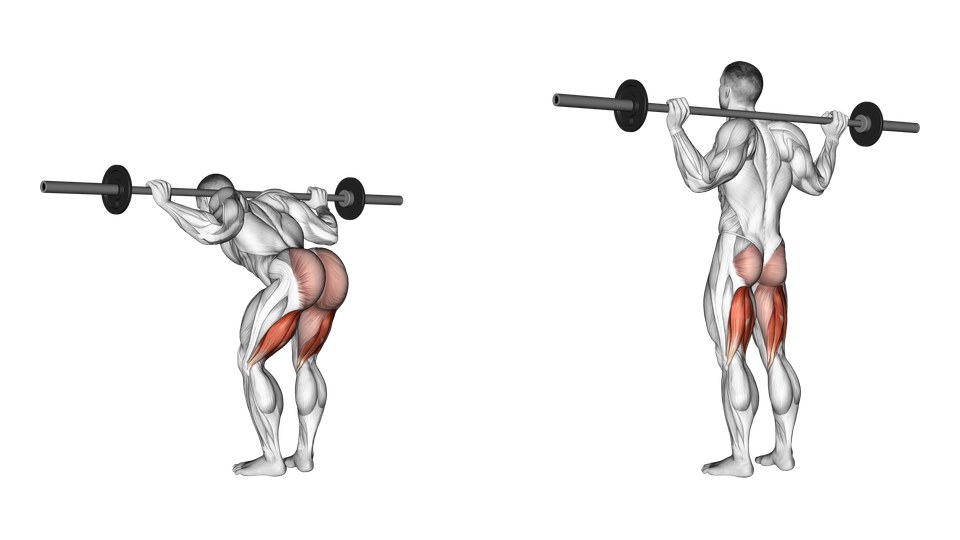
Back · Hamstrings · Glutes
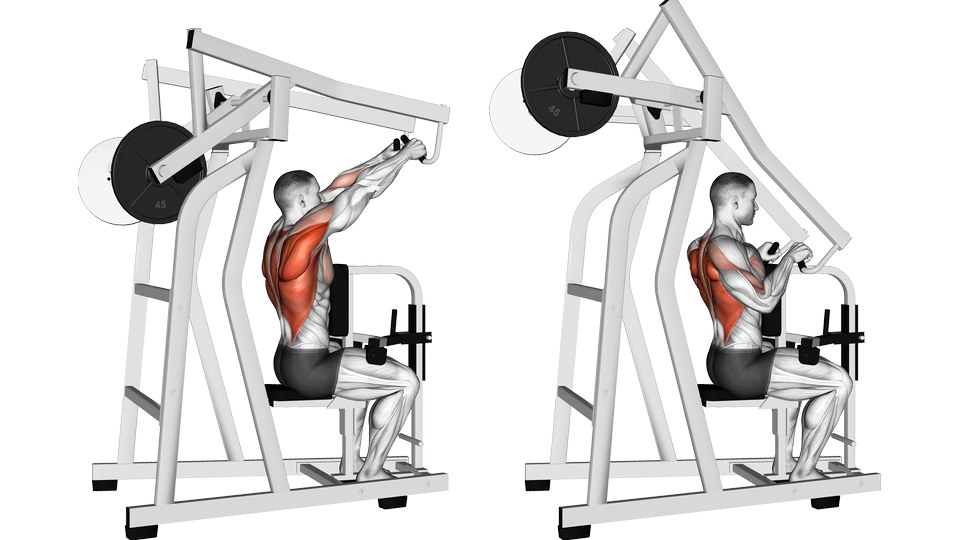
Back · Shoulders
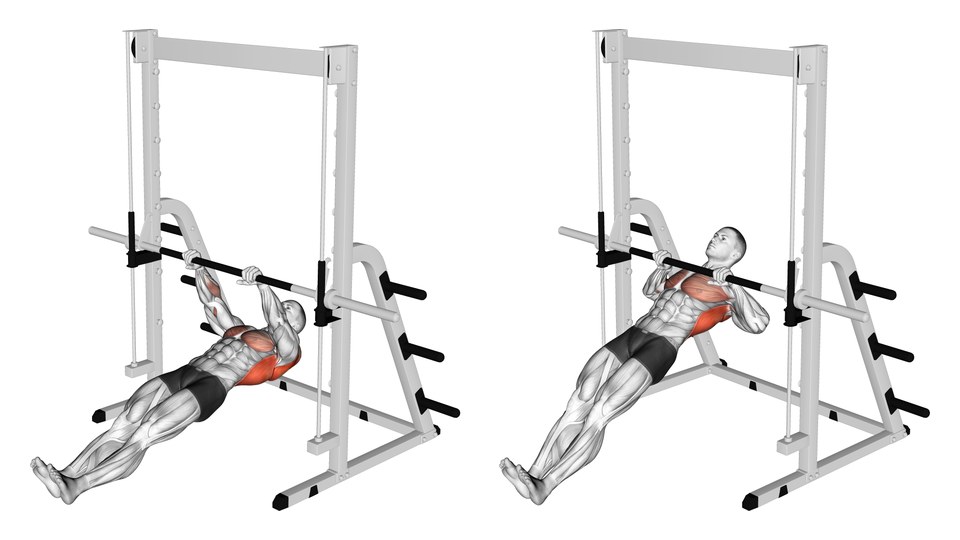
Back · Shoulders
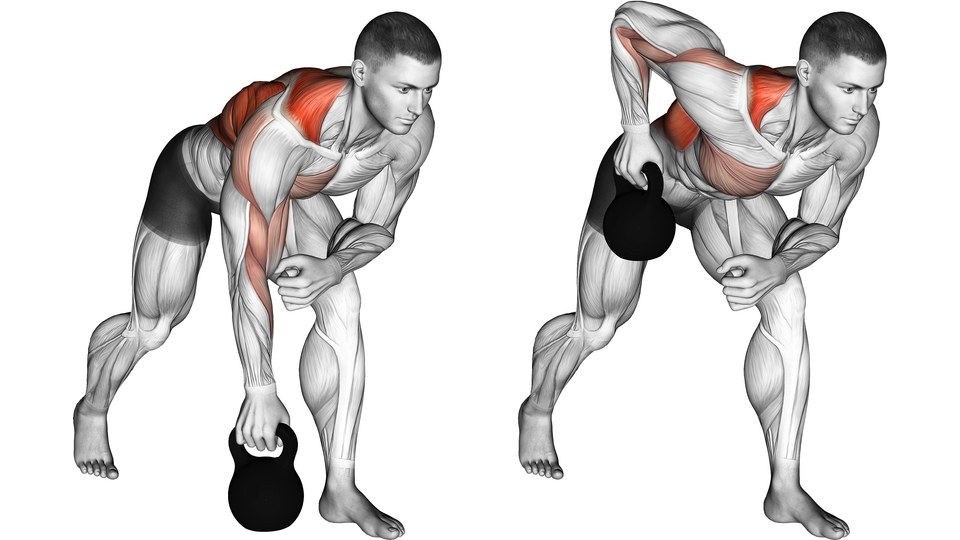
Back
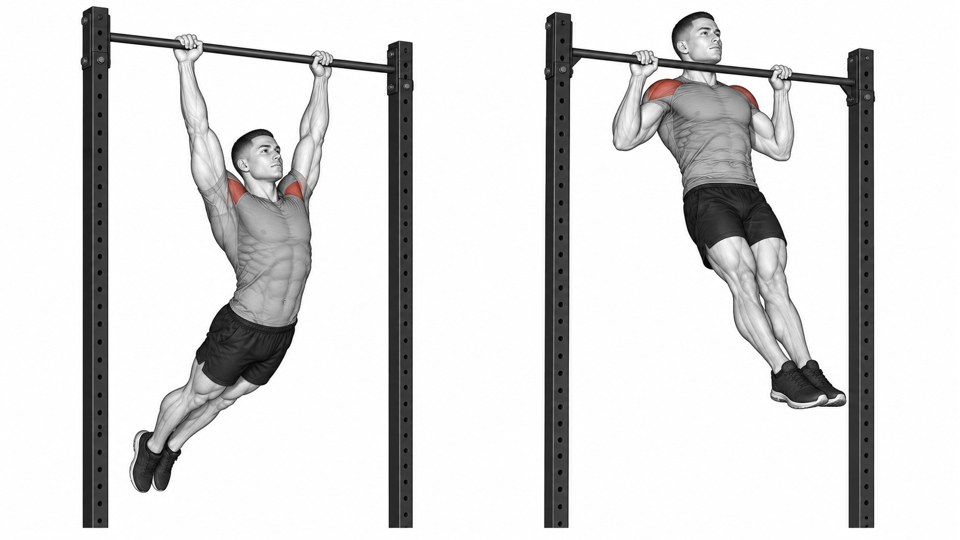
Back · Biceps
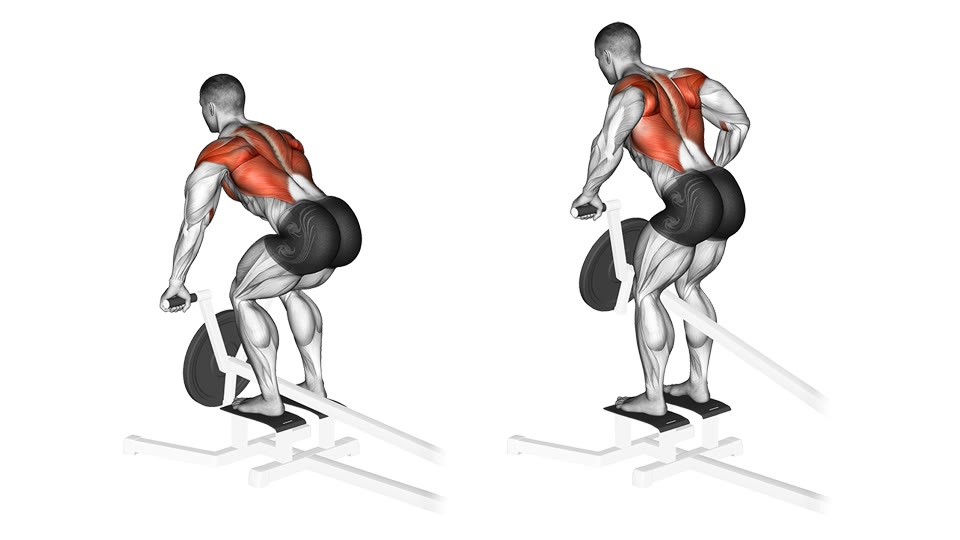
Back · Shoulders
Variations
Back
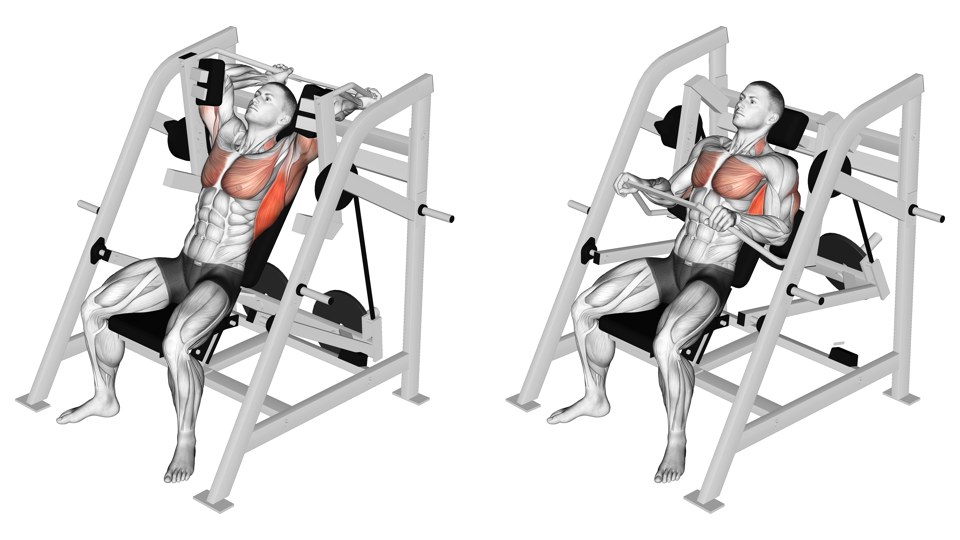
Back
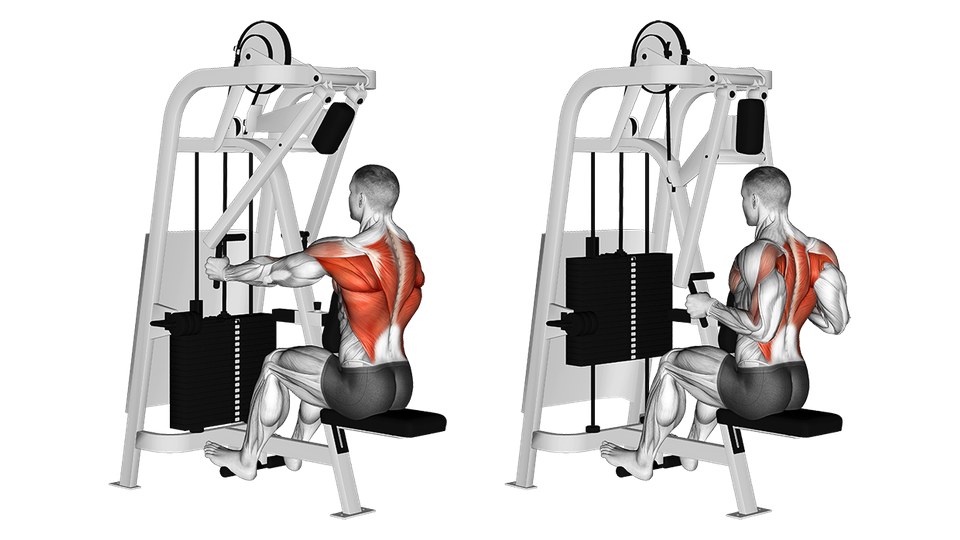
Back · Shoulders
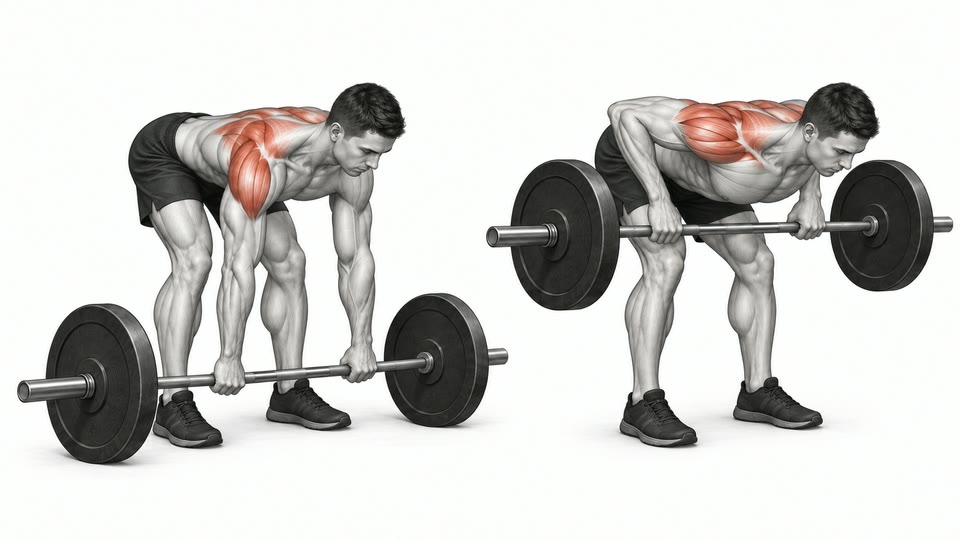
Back
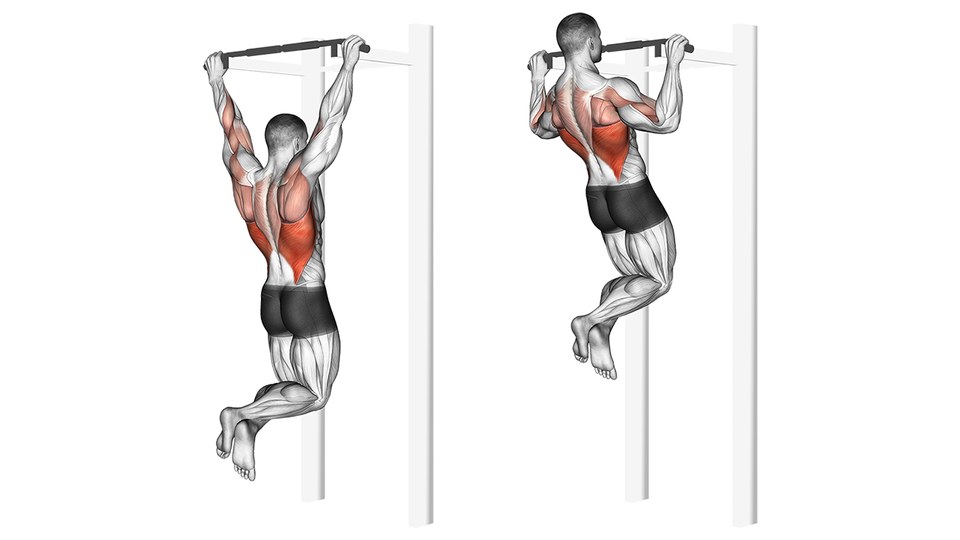
Back · Biceps
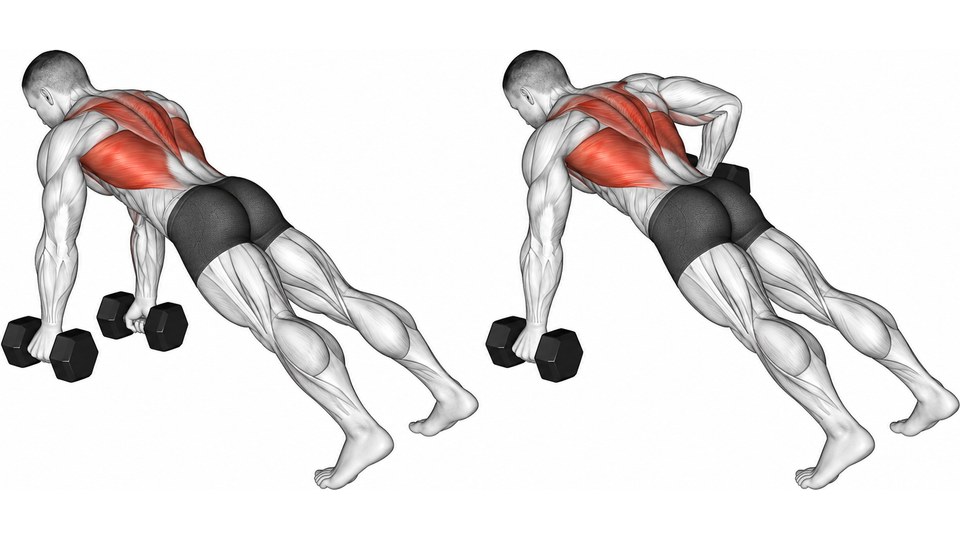
Back
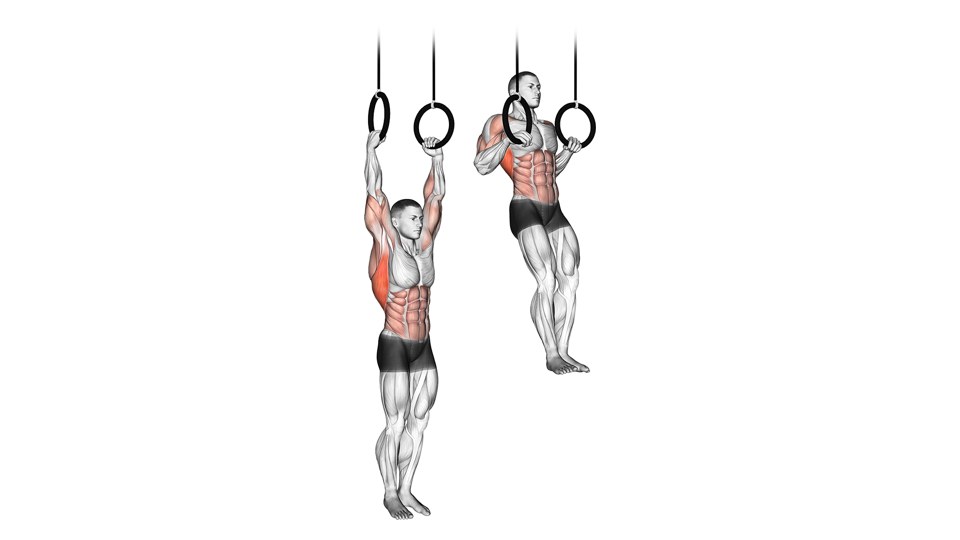
Chest · Back · Biceps · Triceps
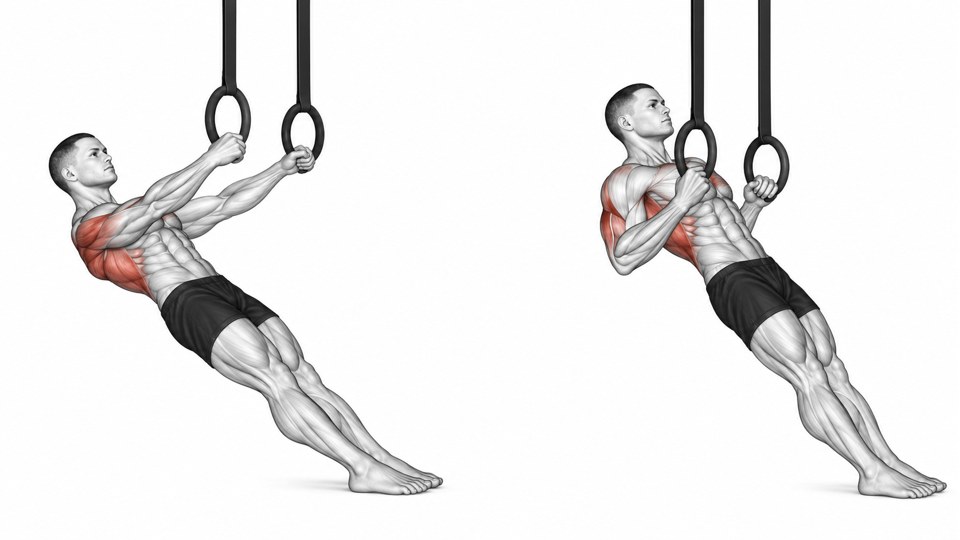
Back · Shoulders · Biceps
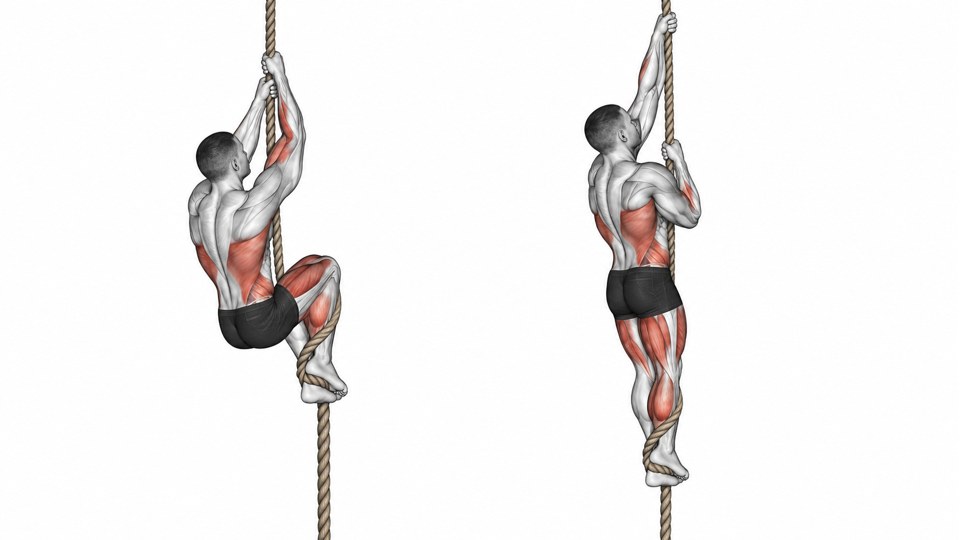
Back · Biceps
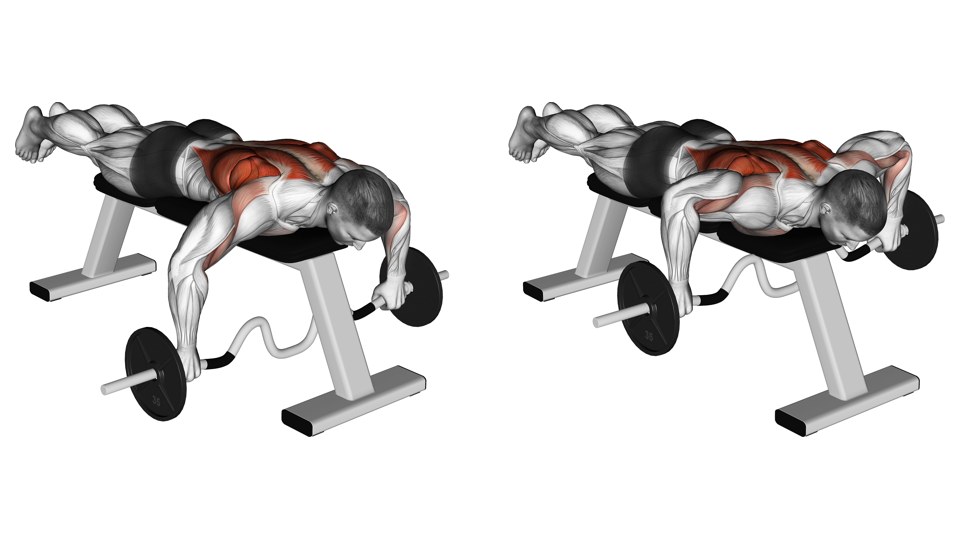
Back
Back · Shoulders
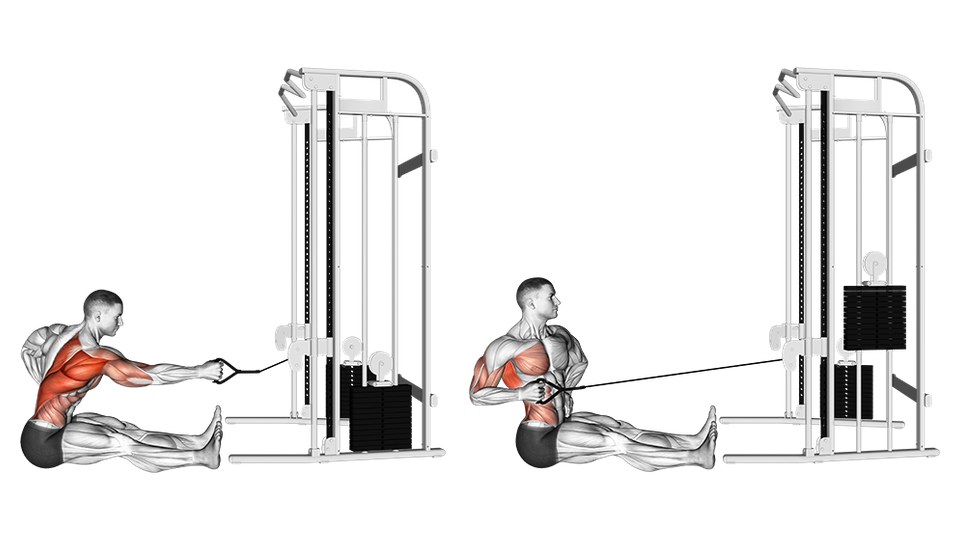
Back · Shoulders
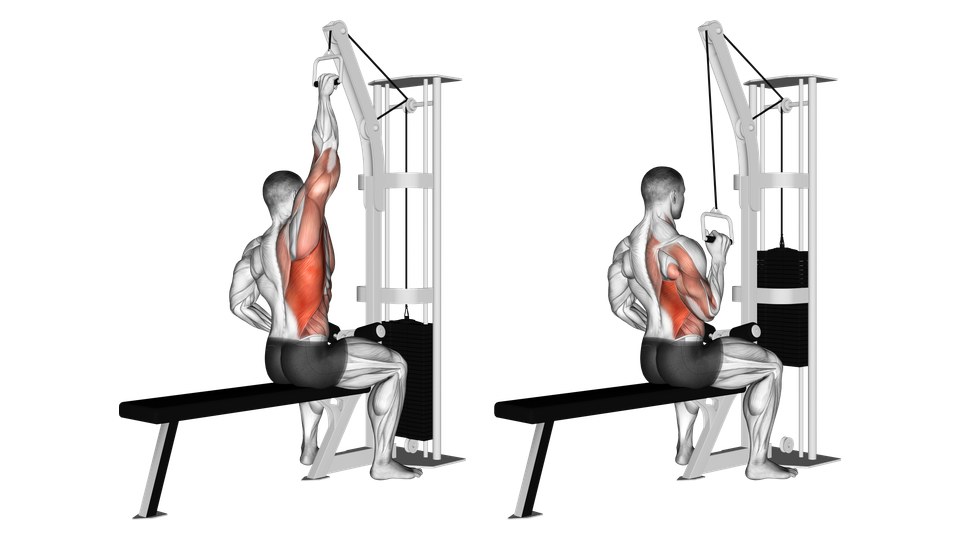
Back
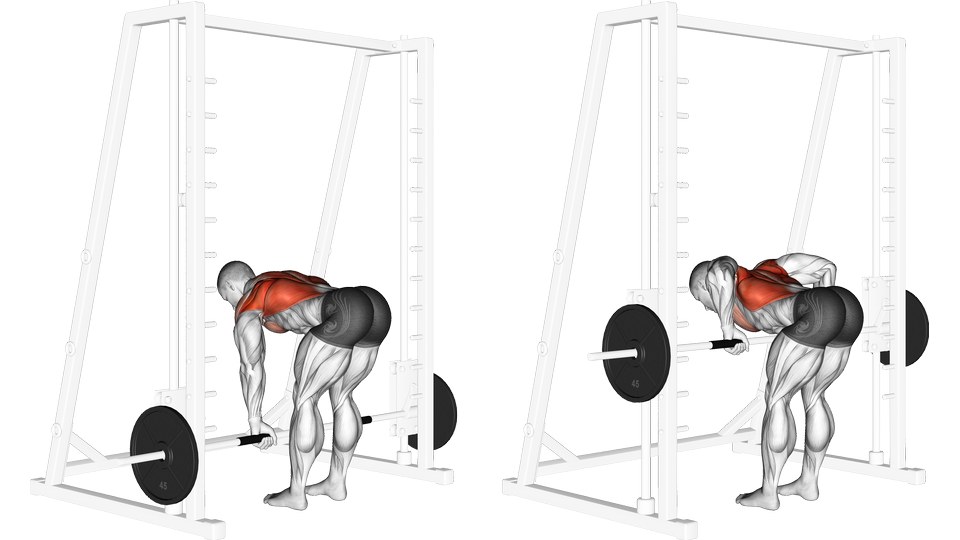
Back · Shoulders
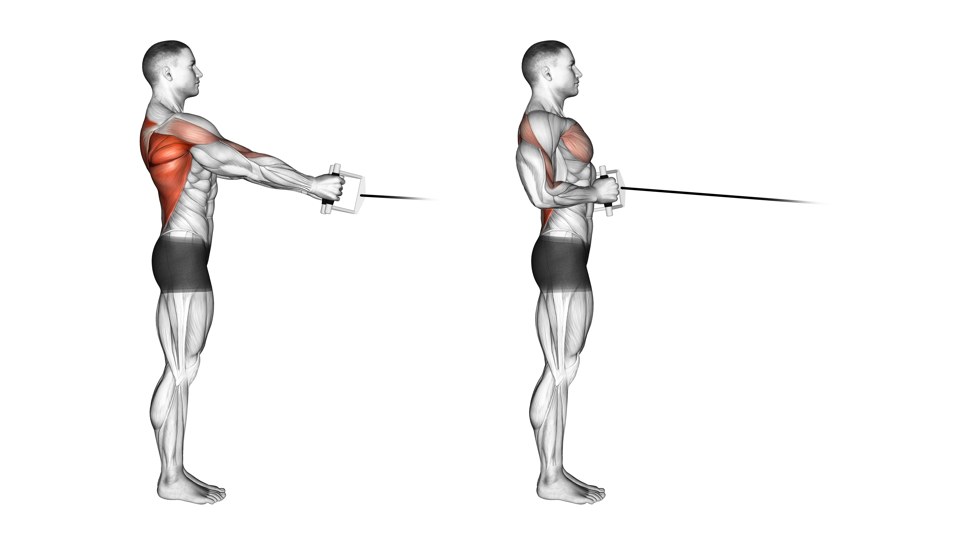
Back
Back
Back
Back · Biceps
Most people should train each muscle with 10 to 20 hard sets a week. The number is the easy part. Counting your sets honestly is where it usually goes wrong.
Master the fundamental principle behind muscle growth and strength gains with our comprehensive guide for anyone who wants real results.
They offer different pulling directions. Both can fit a workout, but you do not need every variation. Choose according to the movement mix you already train.
Yes. Chest-supported rows use dumbbells and an adjustable bench; a one-arm dumbbell row uses a hand-and-knee brace. Neither reproduces an overhead pulldown.
Log every set, see plate loading in context, and track your strength over time. Available on iOS and Android.