Cable hip abduction
Glutes · Hip abductors
CableMachine
Exercises by muscle
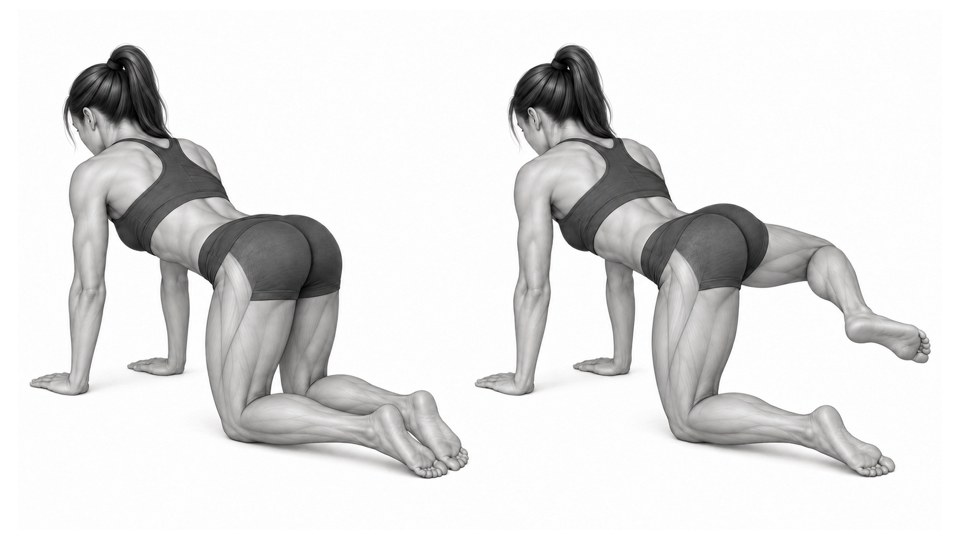
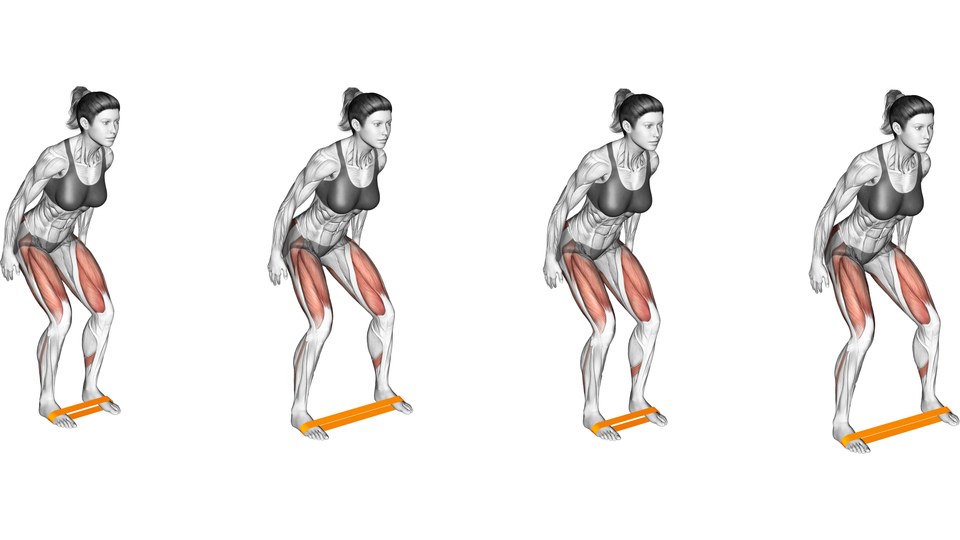
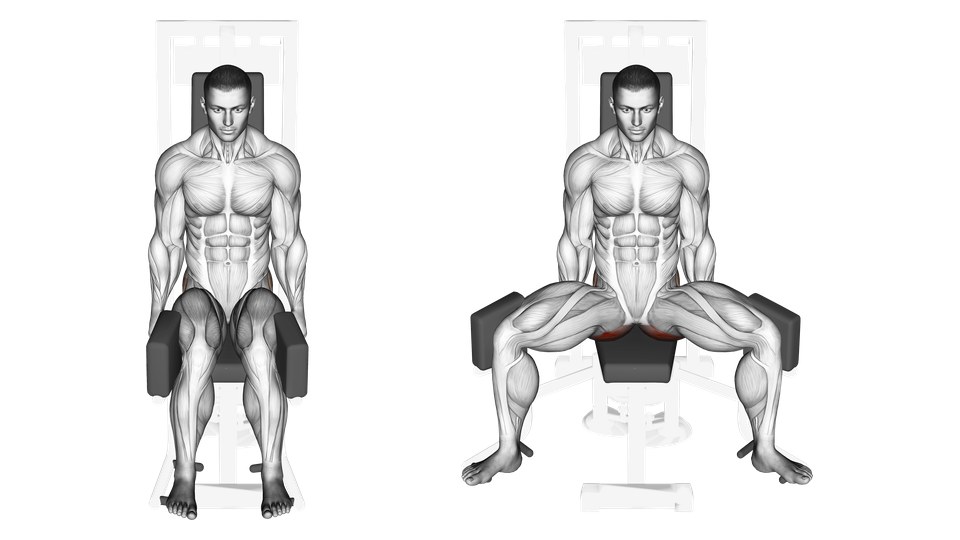
Choose a seated machine, a standing cable setup or a side-lying movement for the outer hips. Compare support and the direction of the thigh movement before deciding.
The back view locates the visible gluteus medius. Deeper abductors, including the gluteus minimus, are not shown.
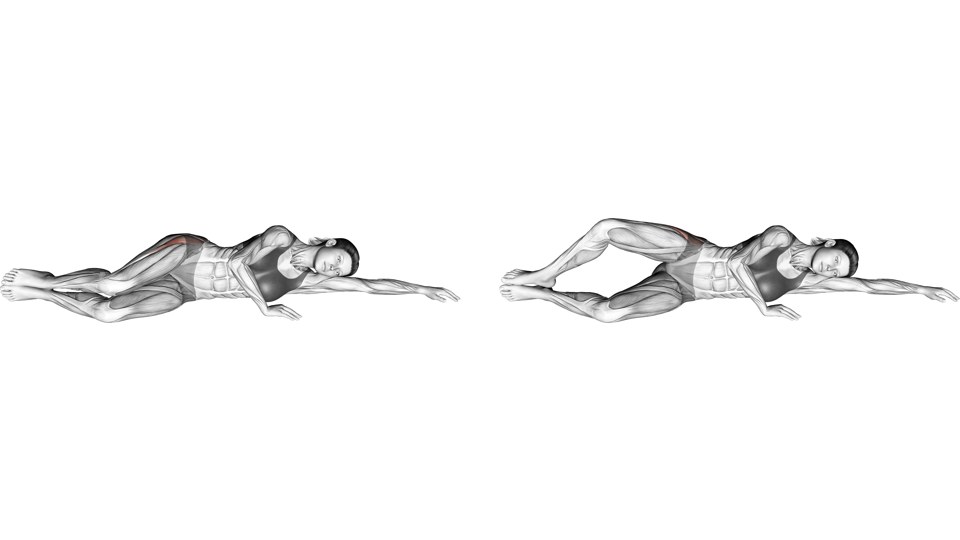
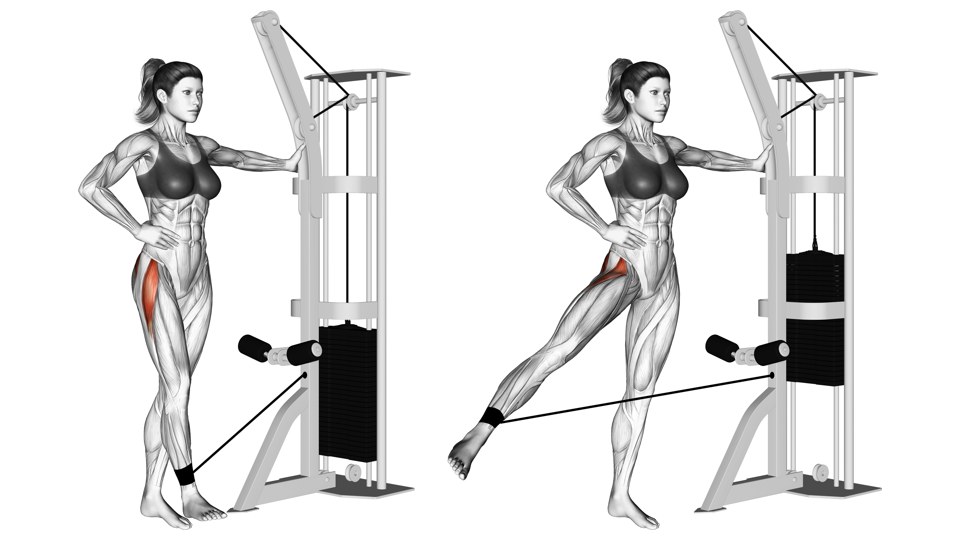
The hip abductors include the gluteus medius, which helps move the thigh outward and control the pelvis. A standing cable abduction moves one leg sideways. A clamshell opens the knee with the hip and knee bent, so it is not the same straight-leg movement.
The seat supports the torso while both thighs move outward.
This trains one working leg while you also manage standing support.
Choose this bent-knee movement as its own exercise.
A seated machine removes the need to stand on one leg. A cable setup adds balance and individual leg movement. Neither support choice alone establishes which grows more muscle.
Clamshells and straight-leg cable abductions have different positions and lever lengths at the hip. Track them separately and choose a manageable load for each setup.
Guides: 5
Most people should train each muscle with 10 to 20 hard sets a week. The number is the easy part. Counting your sets honestly is where it usually goes wrong.
Master the fundamental principle behind muscle growth and strength gains with our comprehensive guide for anyone who wants real results.
The gluteus medius is a gluteal muscle and an important hip abductor. The glute page also includes hip-extension movements, which have a different role.
No. Cable abductions and bodyweight clamshells offer different setups. A cable needs a pulley, ankle cuff and stable hand support; a clamshell uses floor support.
Log every set, see plate loading in context, and track your strength over time. Available on iOS and Android.