
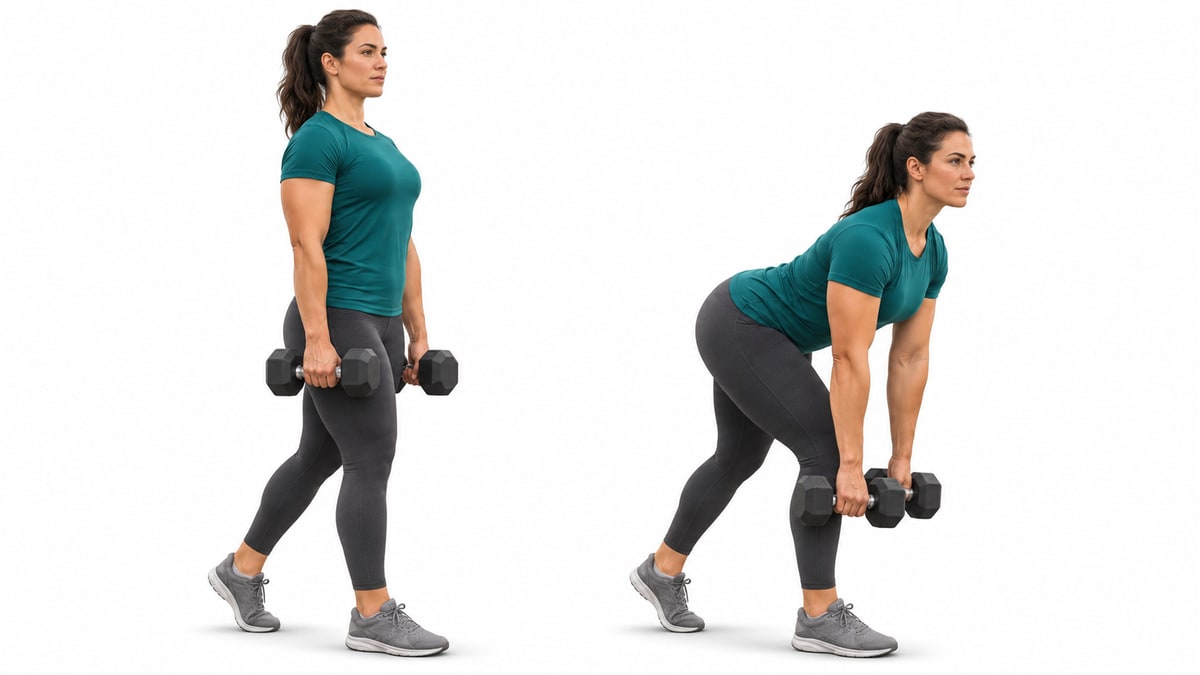
B-stance RDL
Hamstrings · Glutes
Dumbbells
Exercises by muscle
Choose a curl for knee-flexion work and an RDL for a hip hinge. If you want to train both movements, a curl and a hinge can complement each other. Start with the role you need, then compare the equipment and setup below.
The map shows the hamstrings as a surface group. Open an exercise guide for its specific muscle targets.
The hamstrings sit at the back of your thighs. Leg curls train knee bending, while hip hinges involve the hamstrings that cross the hip. The short head of the biceps femoris crosses the knee but not the hip, so the two patterns are not identical.
Both options bend the knees against resistance. The main differences are hip position, support and how the machine fits you.
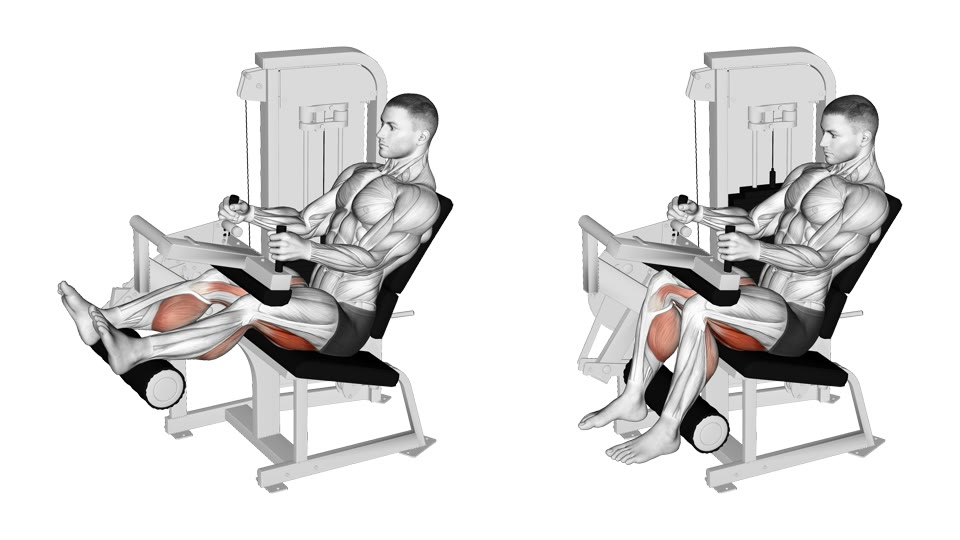
Knee flexion with the hips bent. Adjust the backrest, line your knees up with the pivot and secure the thigh pad. A useful first option for muscle growth when the machine fits; the study below explains why, and its limits.
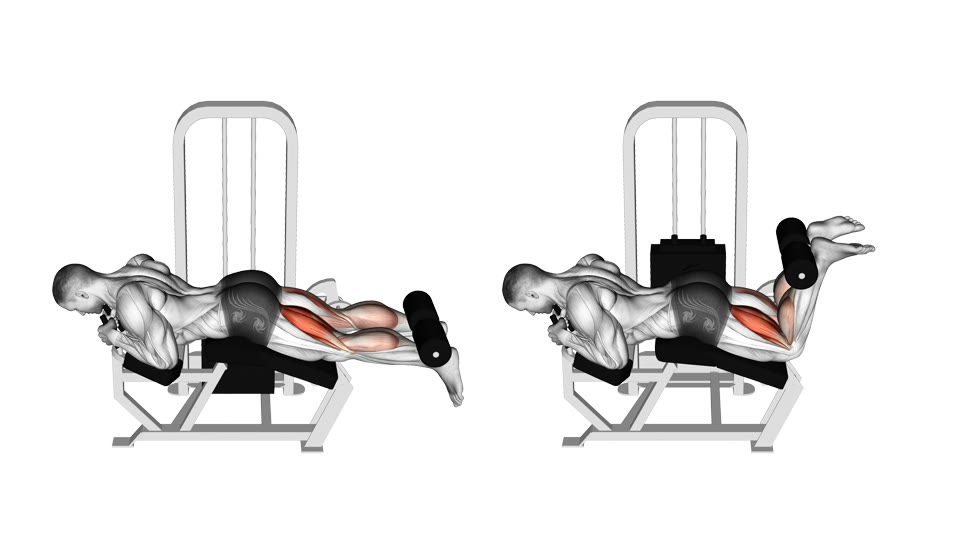
Knee flexion while lying face down, with the hips closer to extended. Adjust the roller and keep the pelvis on the pad. A practical alternative if the seated station is busy or does not fit you; establish a new working weight.
RDLs train the hamstrings through hip movement, with the glutes also working. They can complement curls, but do not replace their knee-flexion role.
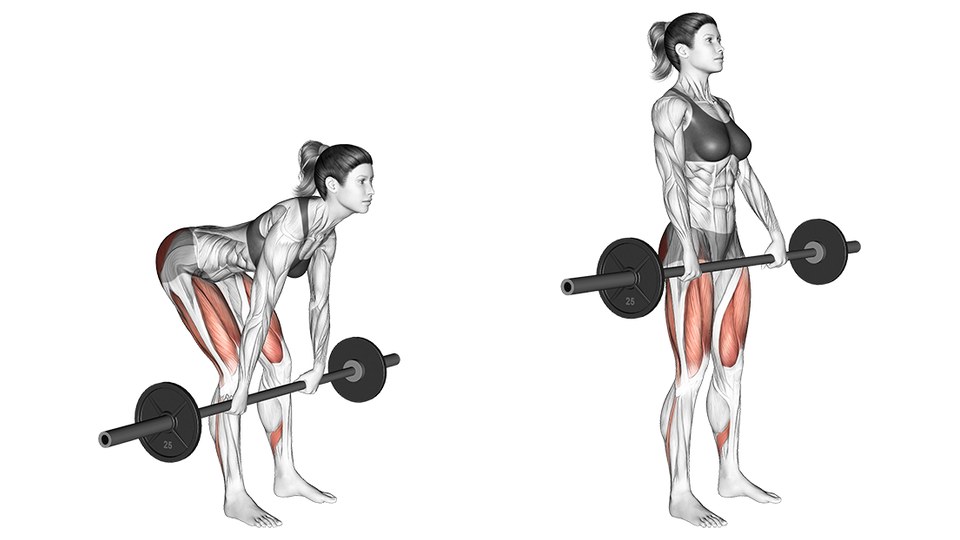
Uses a barbell and plates. Start standing, keep a slight knee bend and move the hips back with the bar close to the legs. You manage the load, grip and torso position without a machine supporting you.
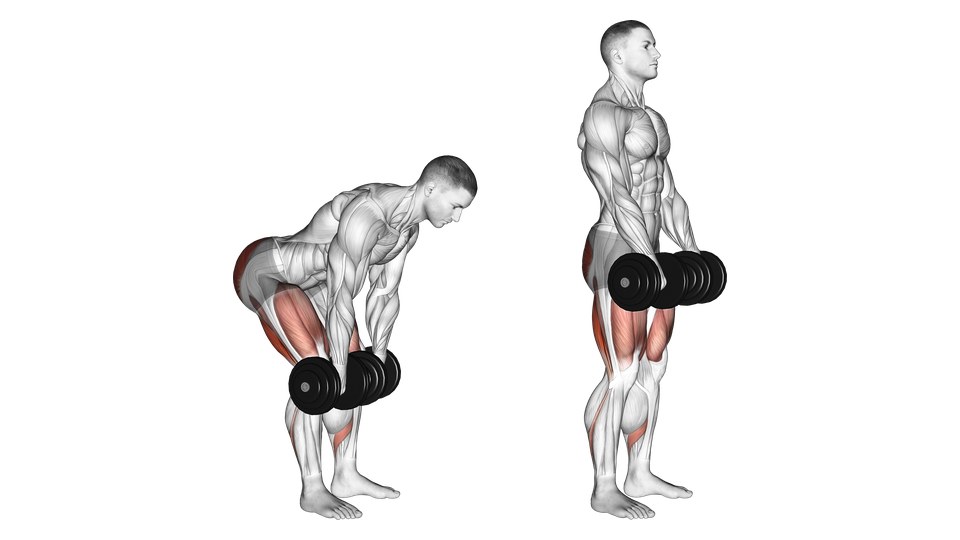
Keeps the standing hinge using two dumbbells, so it also fits a home setup without a barbell. Available weight and grip may limit the set. Lower only as far as you can keep the hinge controlled; reaching the floor is not the goal.
These options solve different problems: a single-leg RDL is still a hinge, while a Nordic works across the knee. Bodyweight does not mean equipment-free or easy.
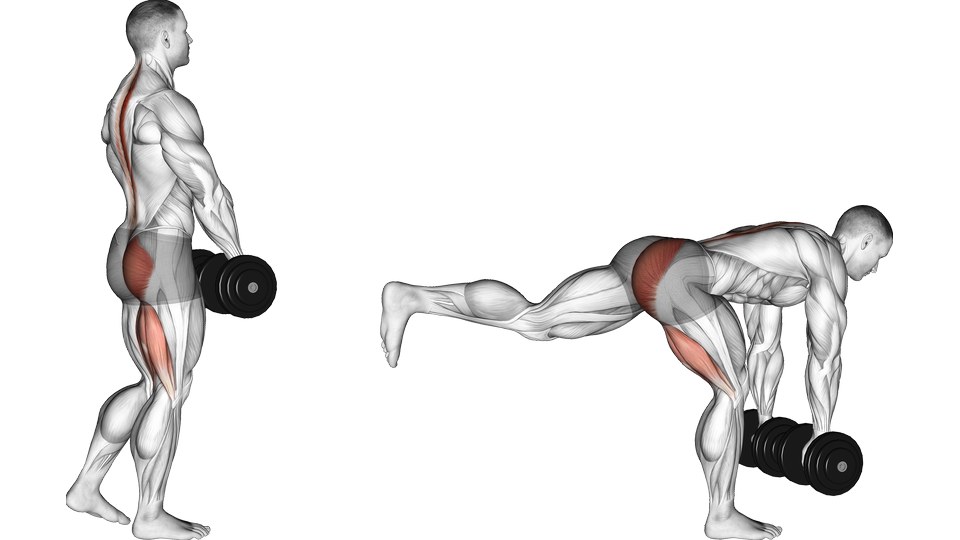
A hinge on one leg, using dumbbells or bodyweight. It can make limited weights useful, but balance may end the set before the hamstrings do. Choose the two-leg version if balance gets in the way; neither version replaces a curl.
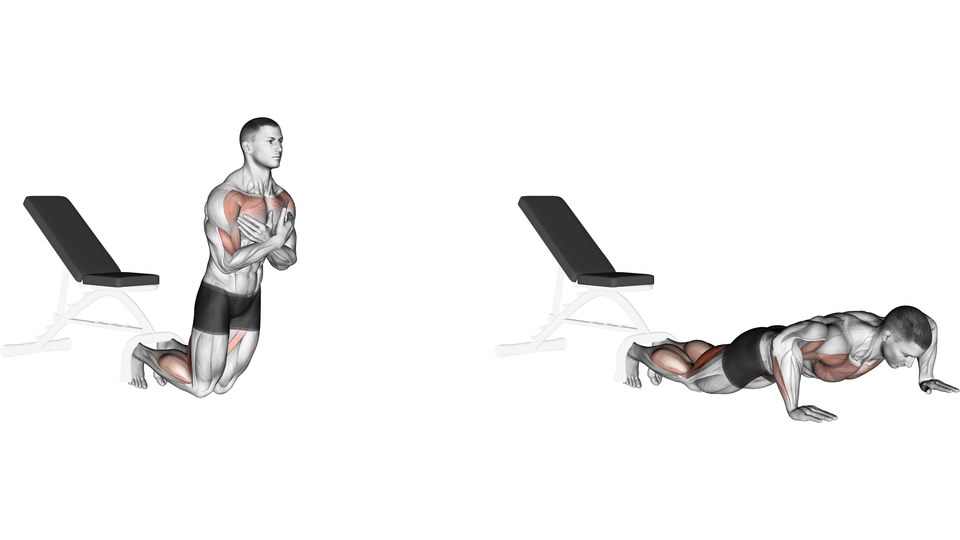
Knee-flexion work with a demanding bodyweight load. Needs knee padding and a fixed, padded ankle restraint that cannot tip, slide or release your feet. Use your hands to catch the descent and assist the return. An unsecured bench is not a suitable anchor.
Maeo and colleagues studied 20 healthy young adults with no systematic resistance training in the previous year. Each trained one leg seated and the other prone for 12 weeks: twice weekly, five sets of ten, with supervision and assistance when needed. MRI-measured whole-hamstring volume increased by 14.1% seated versus 9.3% prone. Growth was greater seated in the three hamstrings crossing both hip and knee; the short head of the biceps femoris showed no clear between-condition difference. Both conditions produced growth. This protocol does not establish the best exercise for every lifter, compare RDLs or Nordics, or prove injury prevention.
Read Maeo et al. (2021)Practical judgment: if muscle growth is your priority and both machines fit, seated curls are a reasonable first choice based on this trial. Choose lying curls if their setup suits you better or the seated machine is unavailable. You do not need both curl machines just to cover knee flexion. Adding a hinge changes the movement mix more than swapping one curl for another.
Try the other curl machine first. A standing cable curl also keeps knee-flexion work, but needs a low pulley, ankle cuff and fixed hand support, and trains one leg at a time. Find a manageable load for the new setup. An RDL still trains hamstrings, but changes the movement you are replacing.
Suspension curls need foot cradles, a trainer installed on a suitable anchor following its instructions, and clear floor space. You must hold the hips up while curling. Sliding curls use heel sliders and a compatible floor instead of an anchor; check that they move smoothly and keep the heels supported. Neither setup reproduces a machine’s support or weight stack.
Guides: 28
Hamstrings · Glutes
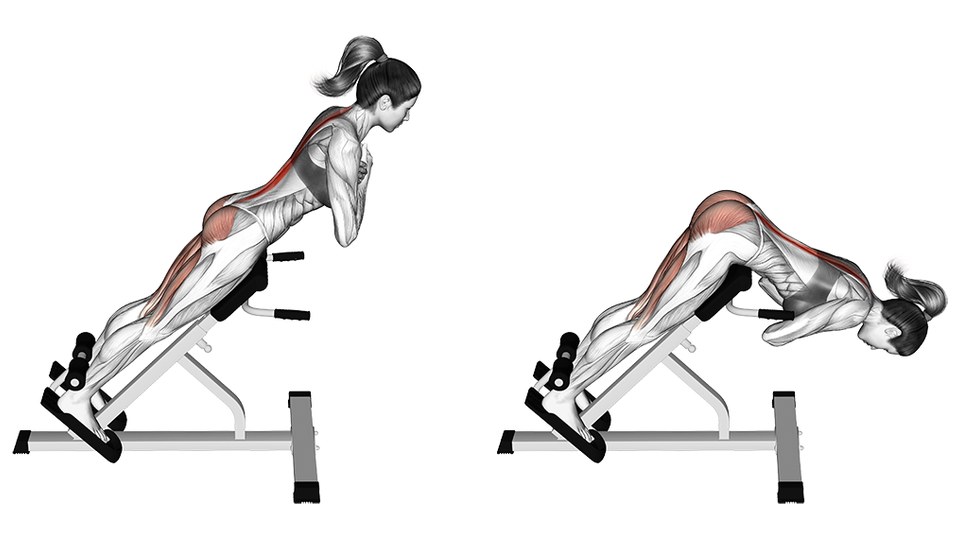
Back · Hamstrings · Glutes
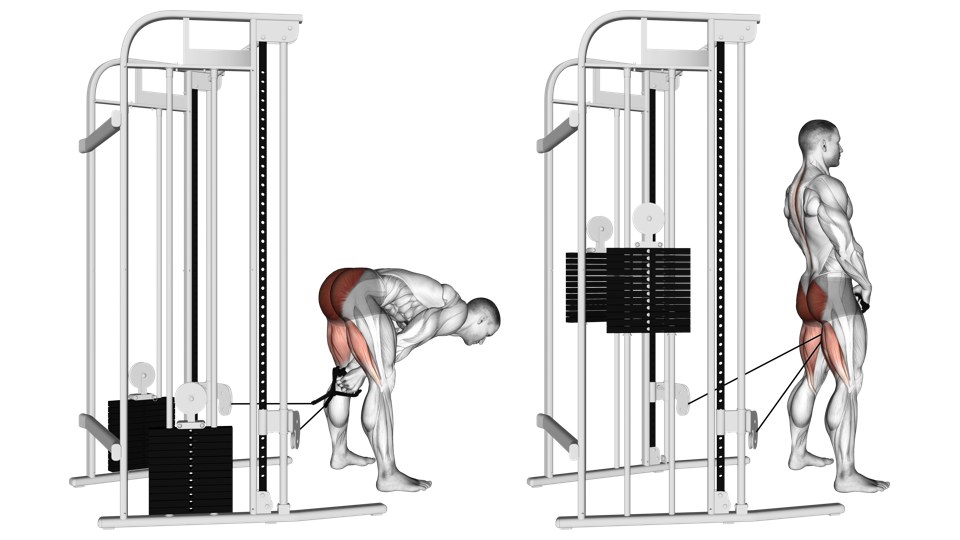
Hamstrings · Glutes
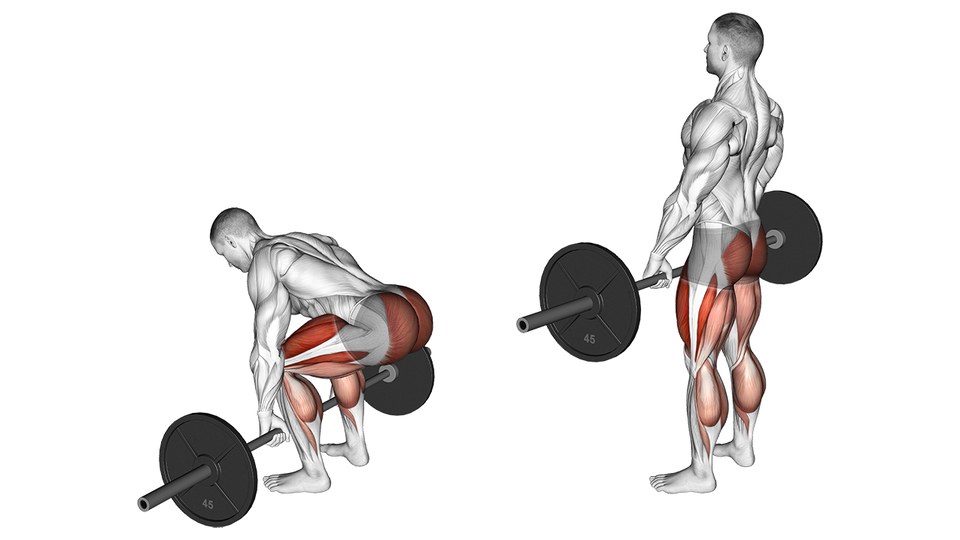
Back · Quads · Hamstrings · Glutes · Adductors
Variations
Hamstrings · Glutes
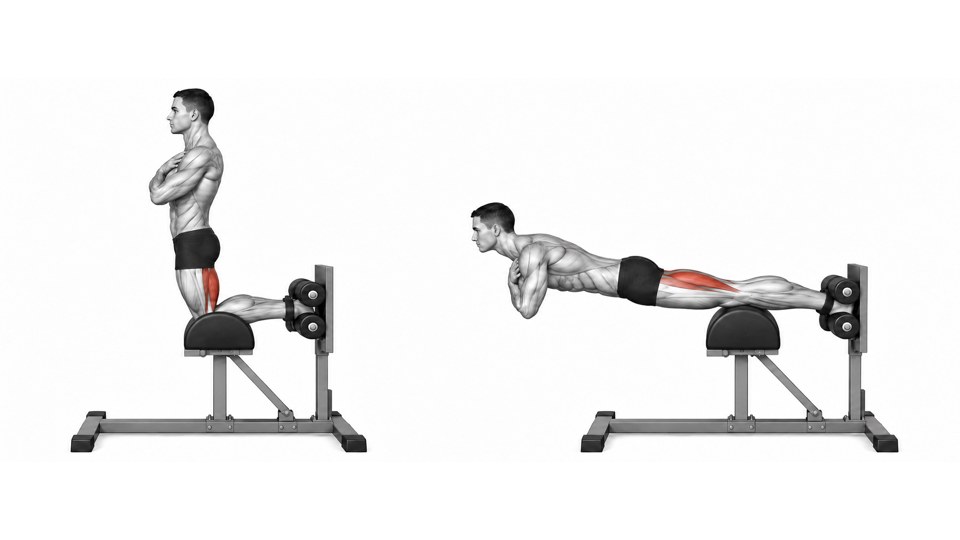
Hamstrings
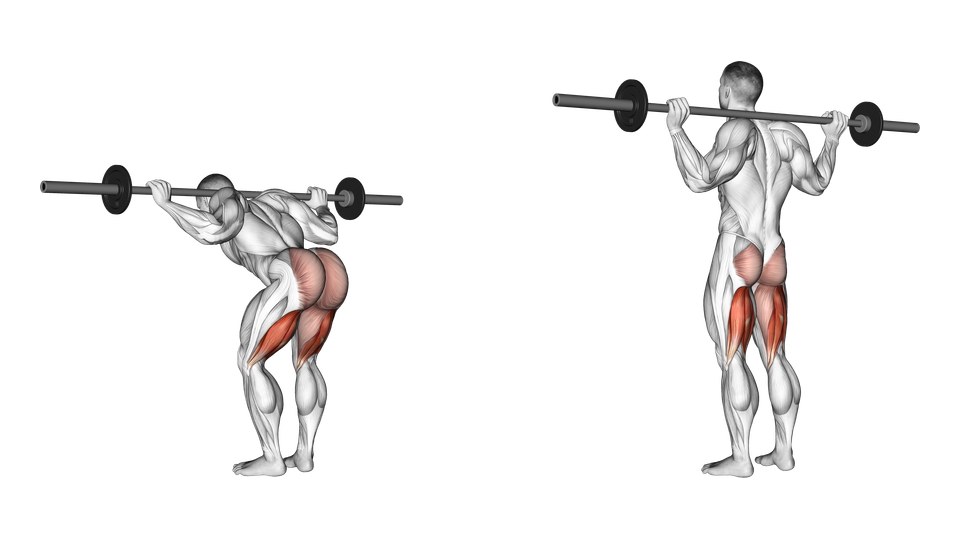
Back · Hamstrings · Glutes
Variations
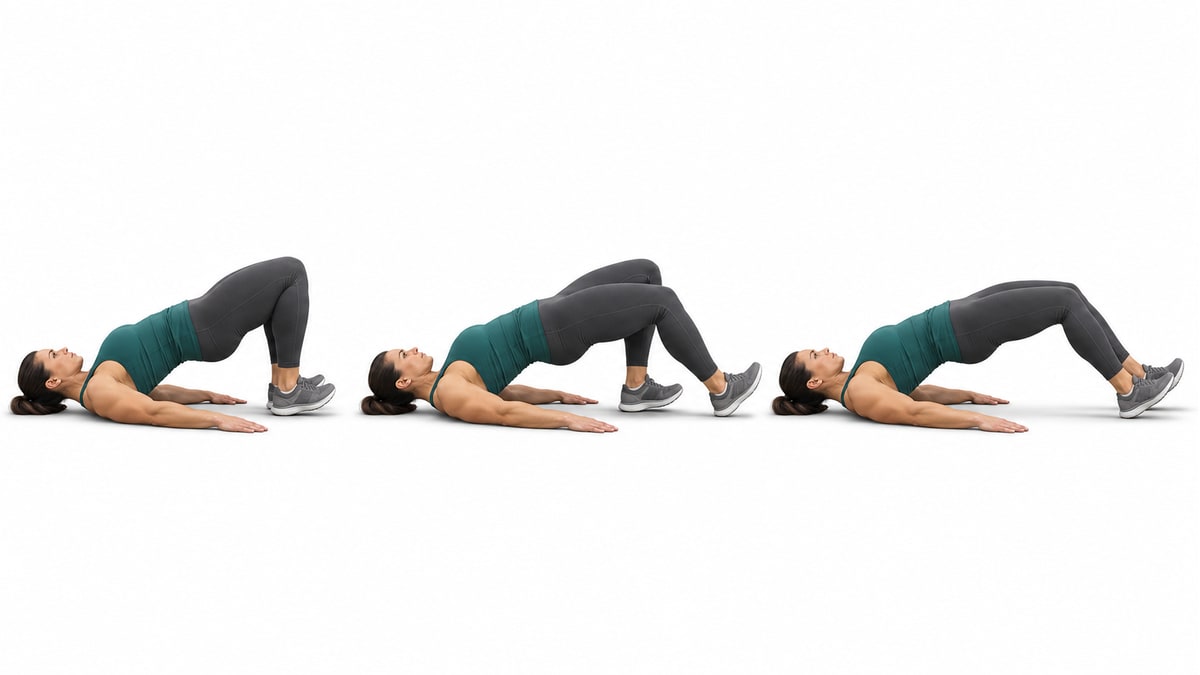
Hamstrings
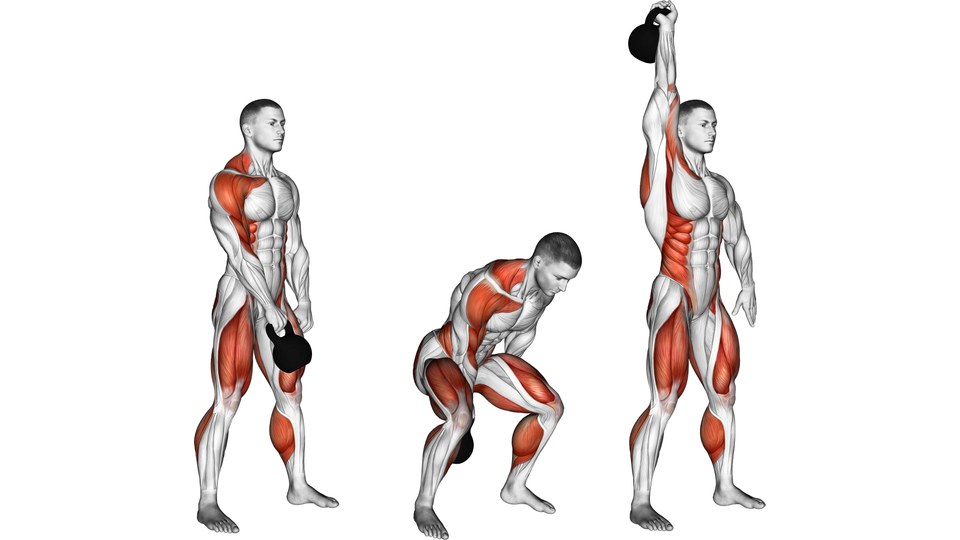
Hamstrings · Glutes
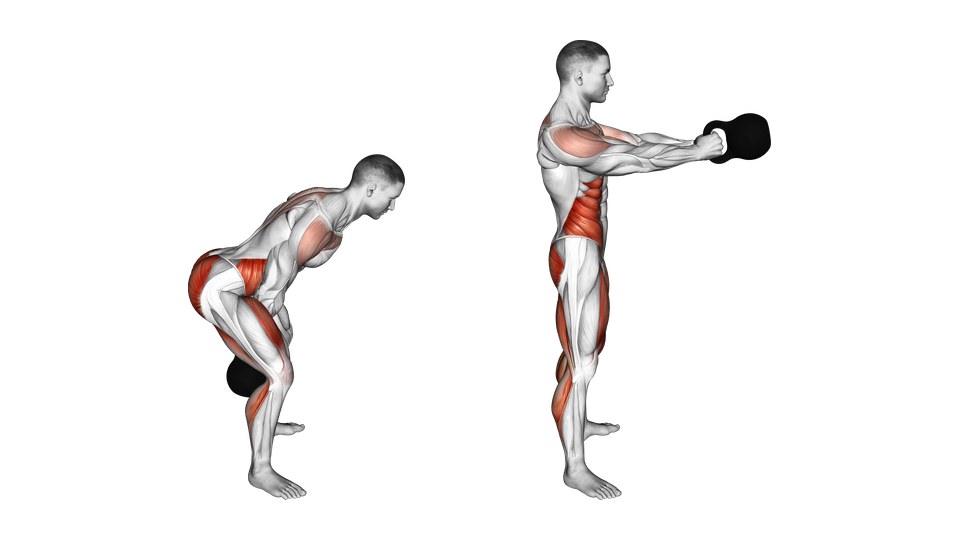
Hamstrings · Glutes
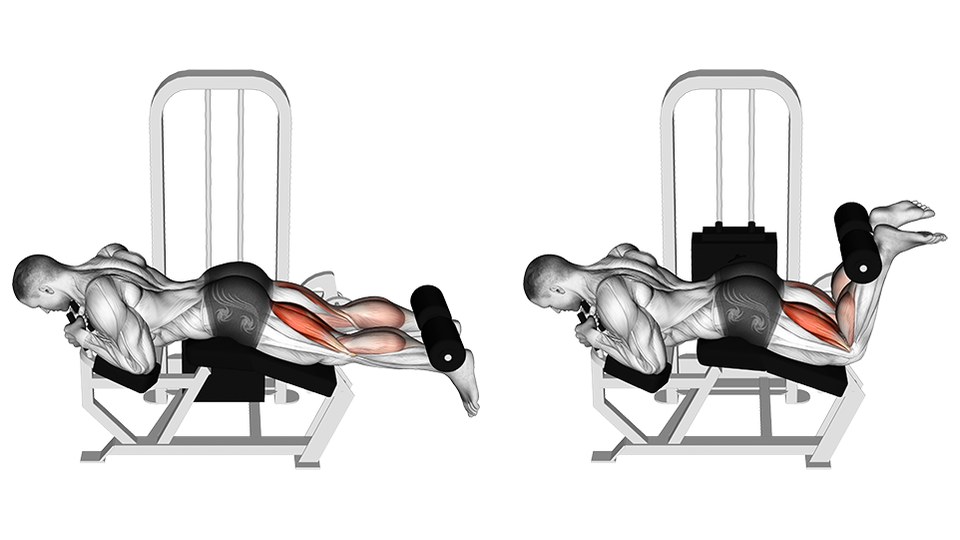
Hamstrings
Hamstrings
Hamstrings · Glutes
Variations
Hamstrings · Glutes
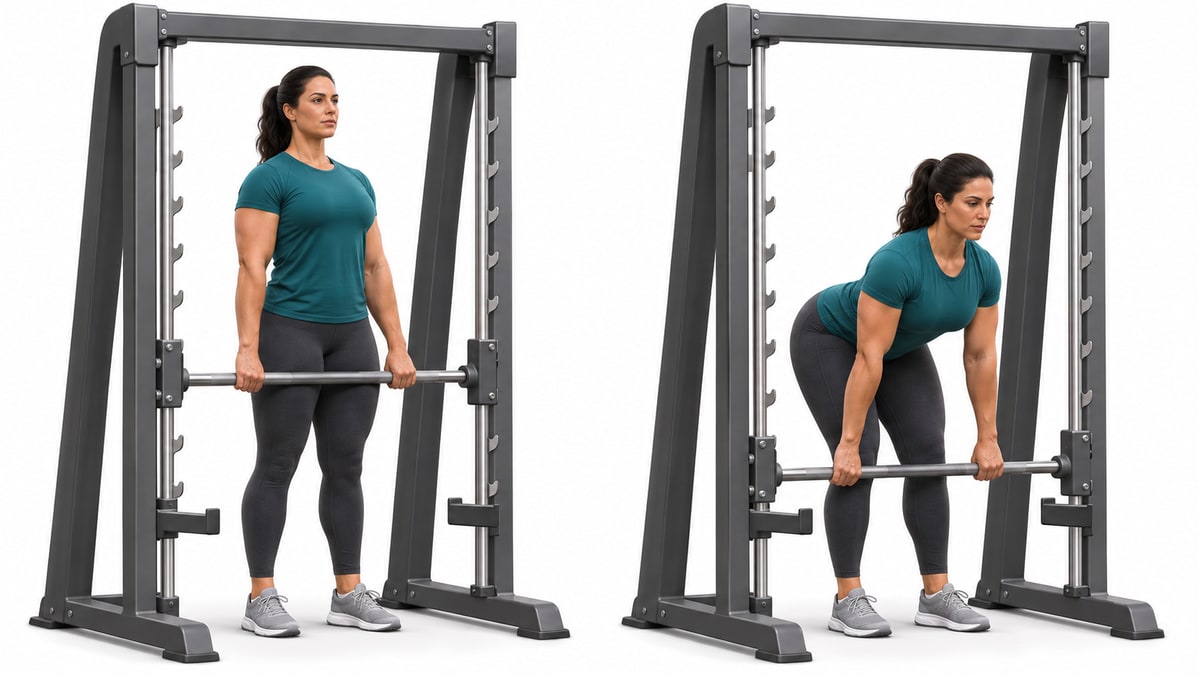
Hamstrings · Glutes
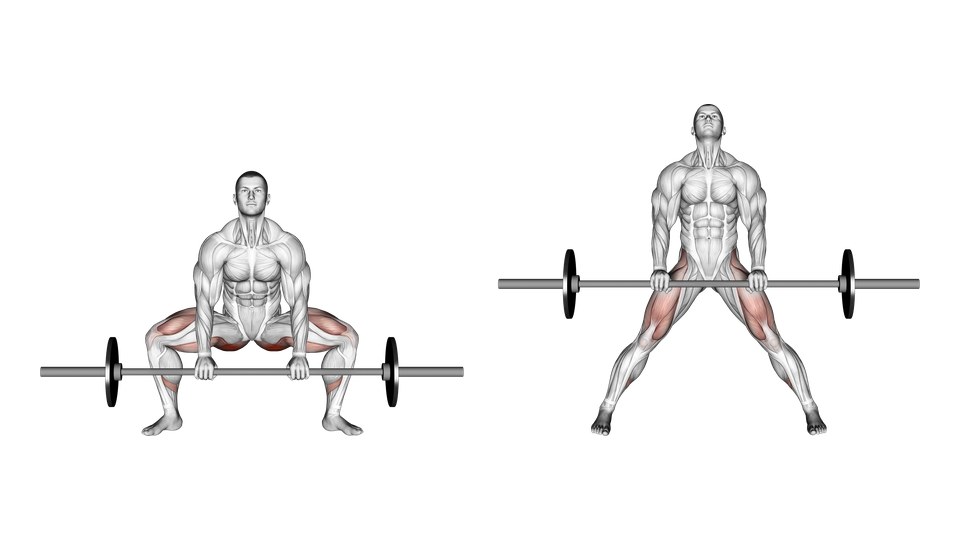
Quads · Hamstrings · Glutes · Adductors
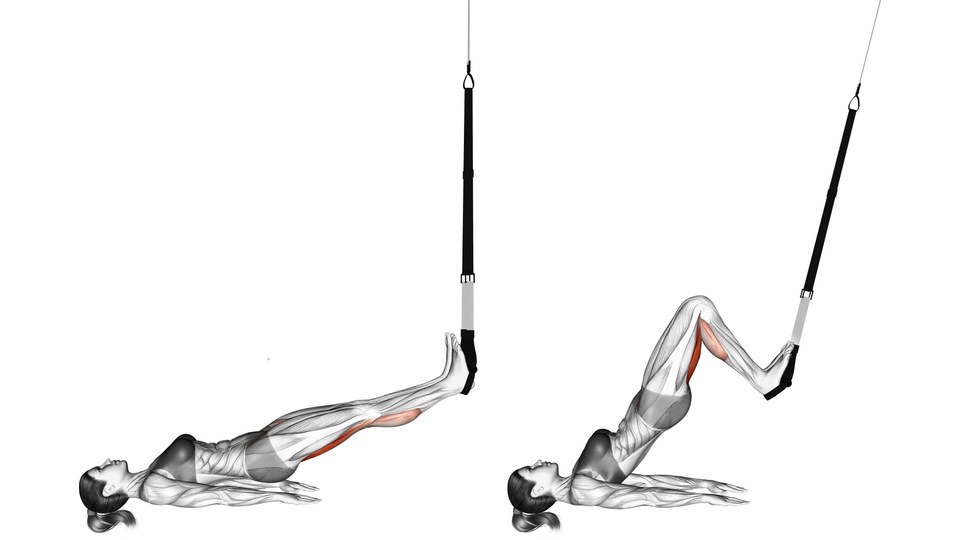
Hamstrings
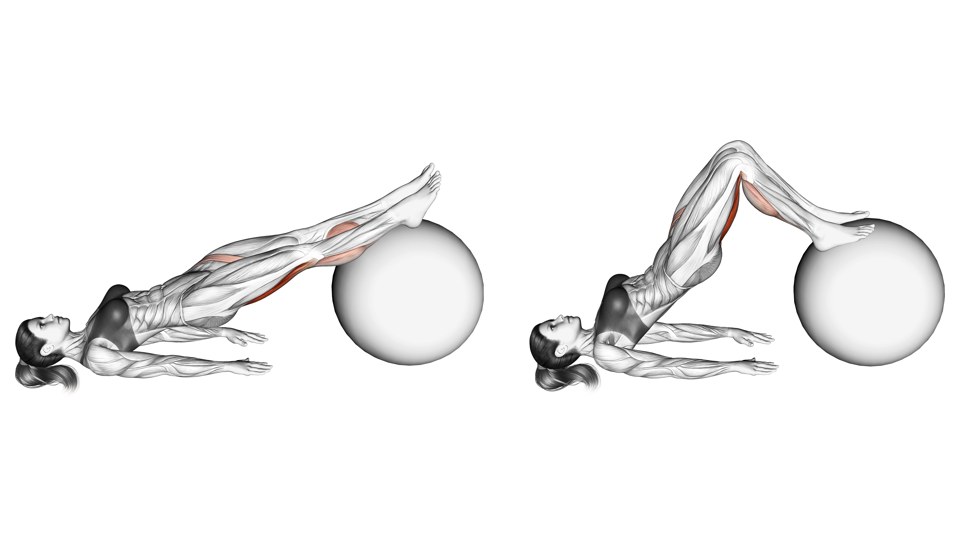
Hamstrings
Choose leg curl alternatives that keep knee-flexion work, including seated machines, standing cable curls, suspension and assisted Nordic curls.
Compare Romanian deadlift alternatives for dumbbells, cables and supported benches. Preserve hip-hinge work and distinguish it from leg curls.
Most people should train each muscle with 10 to 20 hard sets a week. The number is the easy part. Counting your sets honestly is where it usually goes wrong.
They involve the hamstrings through different movements. Romanian deadlifts are hip hinges; leg curls bend the knee. Consider which pattern your workout needs rather than treating them as identical replacements.
Yes. A dumbbell Romanian deadlift offers a loaded hip-hinge option, and a single-leg RDL offers a different stance. They do not reproduce a machine leg curl’s knee-flexion movement.
Both resist knee bending. Seated curls keep the hips flexed and the thighs restrained; lying curls use a prone bench with the hips closer to extended. Use the guide for your machine’s setup.
Log every set, review your past workouts, and follow your strength over time. Available on iOS and Android.
