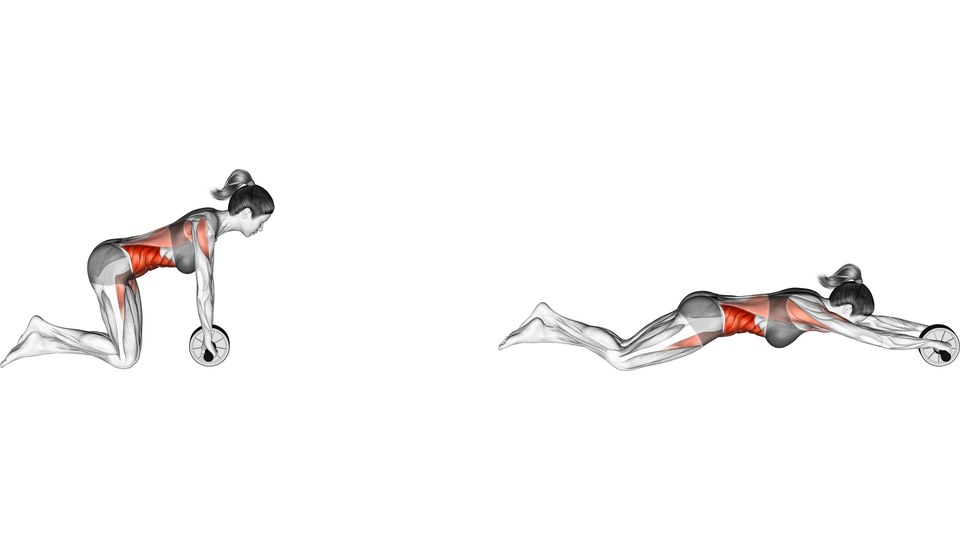
Ab-wheel rollout
Core
Bodyweight
Exercises by muscle
Choose between moving the trunk and holding it steady against a load. Compare crunches, planks and cable movements according to the job you want the exercise to do.
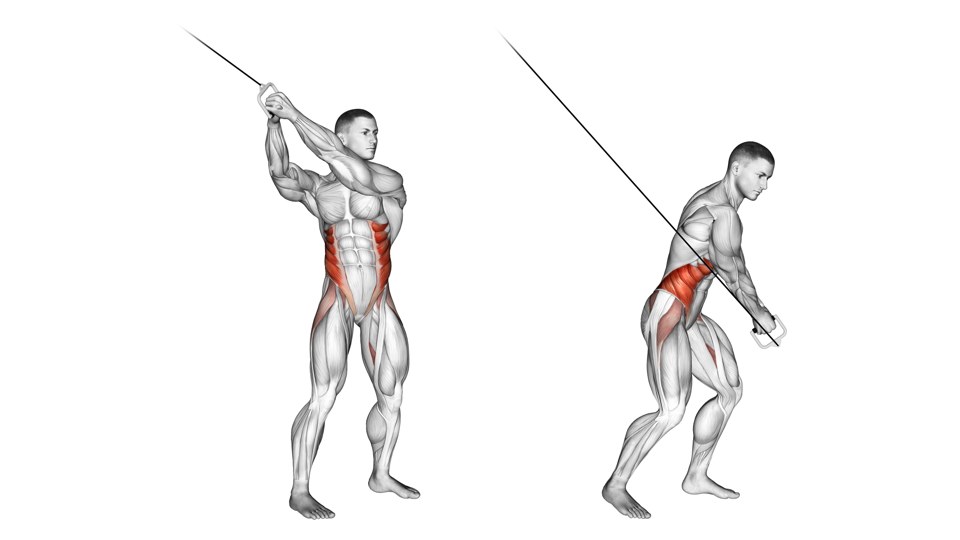
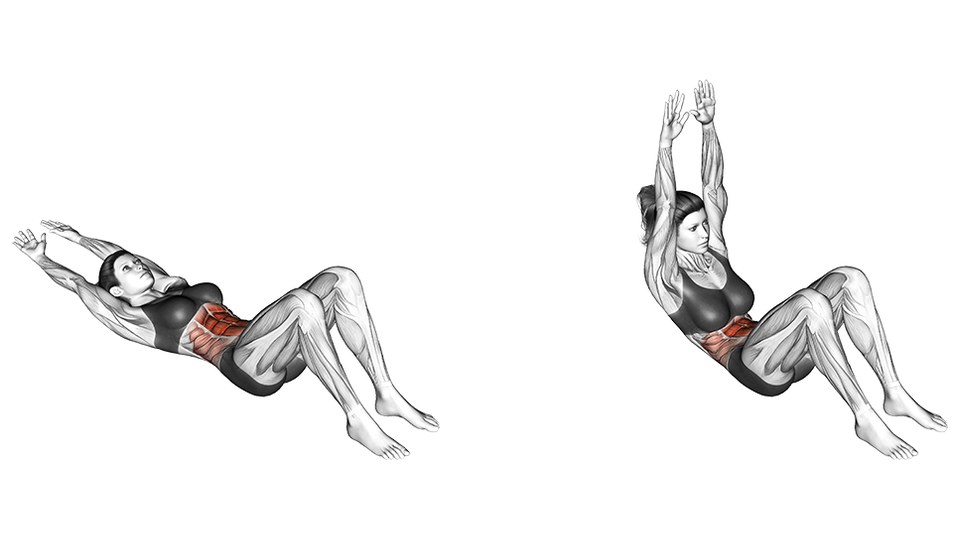
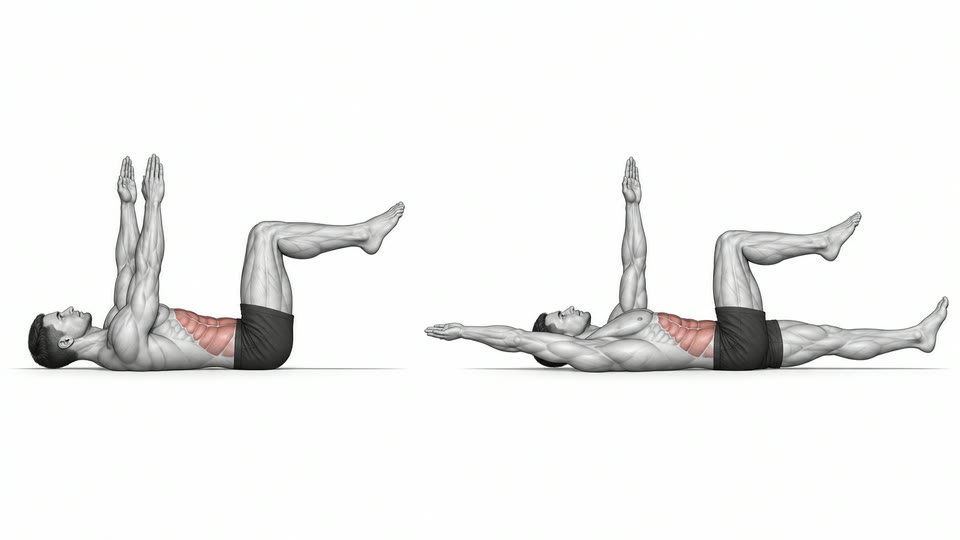
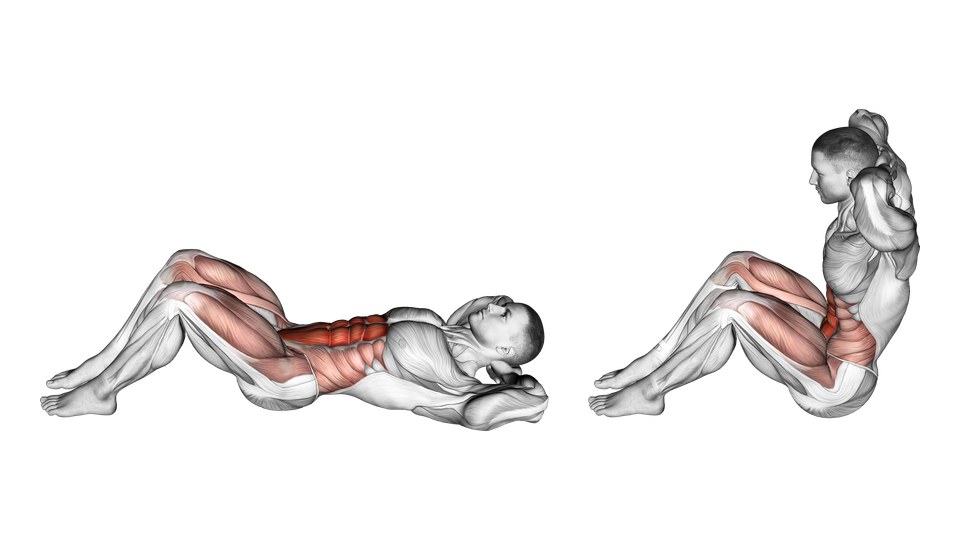
The map shows the rectus abdominis and external obliques. Deeper abdominal muscles are not visible on this surface view.
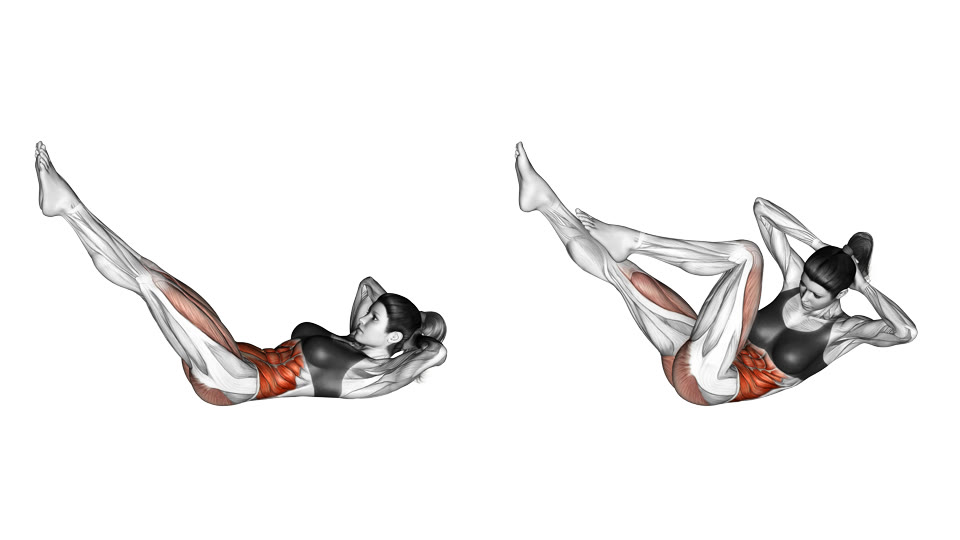
The abdominal muscles help move the trunk and resist movement. Crunches bend the trunk; planks hold a position; a Pallof press resists a sideways pull. Leg raises also involve hip flexors, so the exercise name alone does not identify an abdominal-only movement.
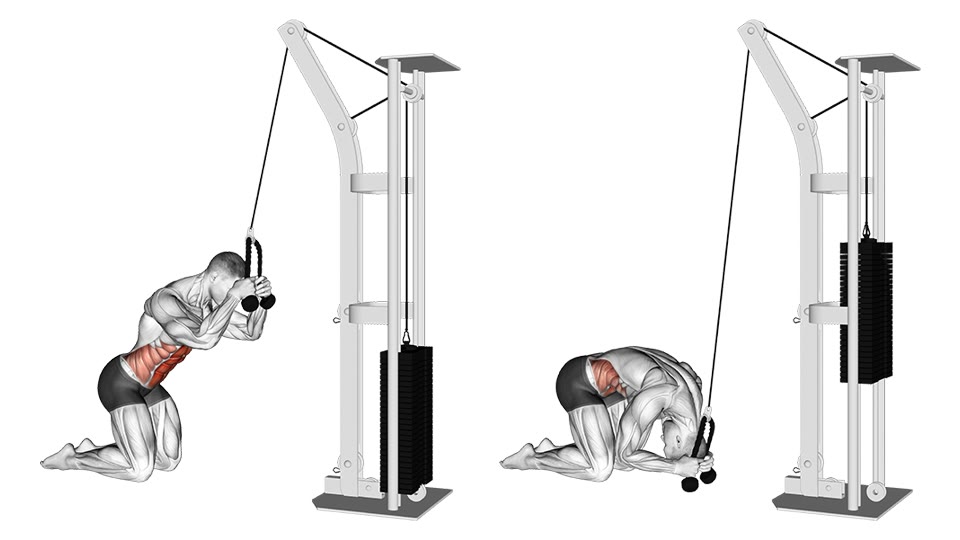
Compare a floor movement with external cable resistance.
A front and side plank change the direction you support the body.
These cable exercises have different intentions.
Replacing a crunch with a plank changes trunk movement into a hold. That can be useful, but choose it deliberately rather than expecting identical work.
For holds, compare time at the same body position. For loaded movements, keep the cable setting and range repeatable before increasing resistance.
Guides: 23
Core
Core
Core
Core
Core
Core
Core
Variations

Core
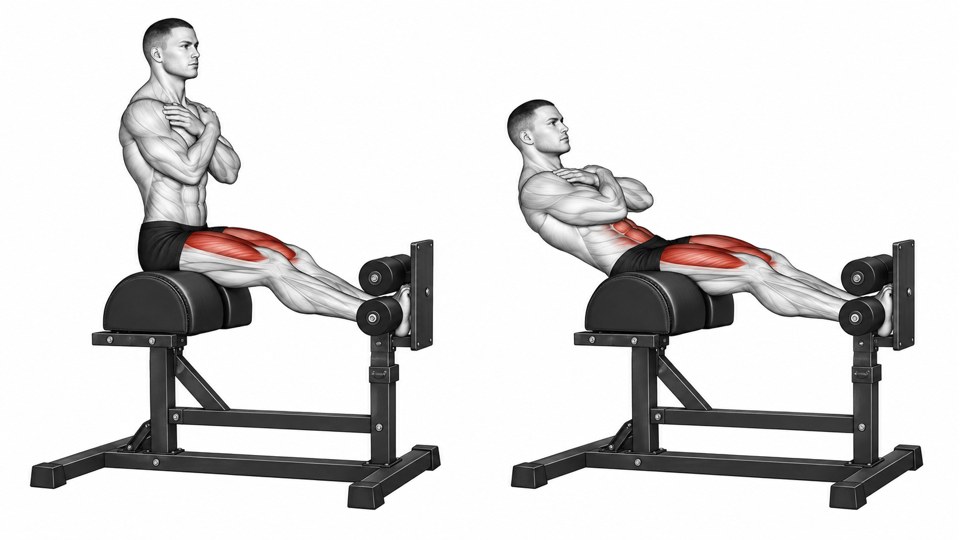
Core · Hip flexors
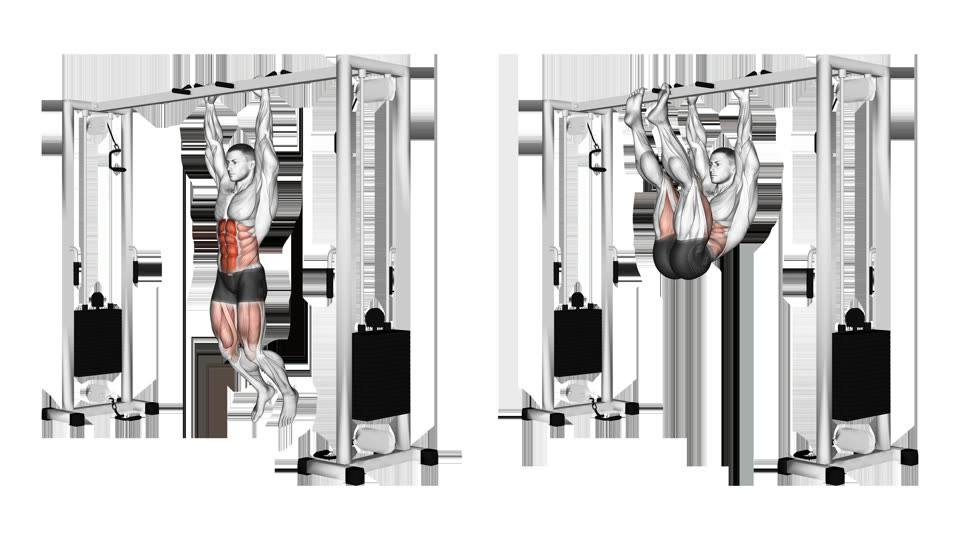
Core · Hip flexors
Variations
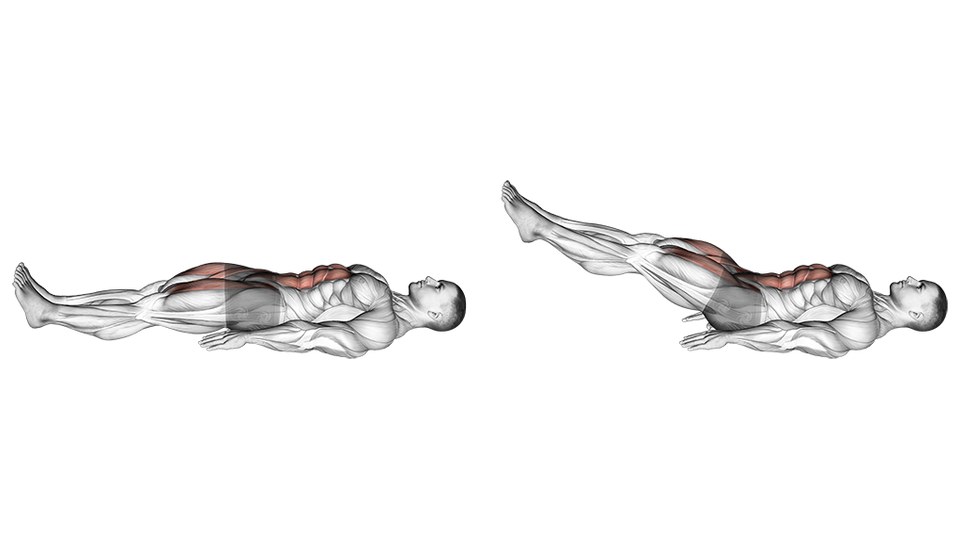
Core · Hip flexors
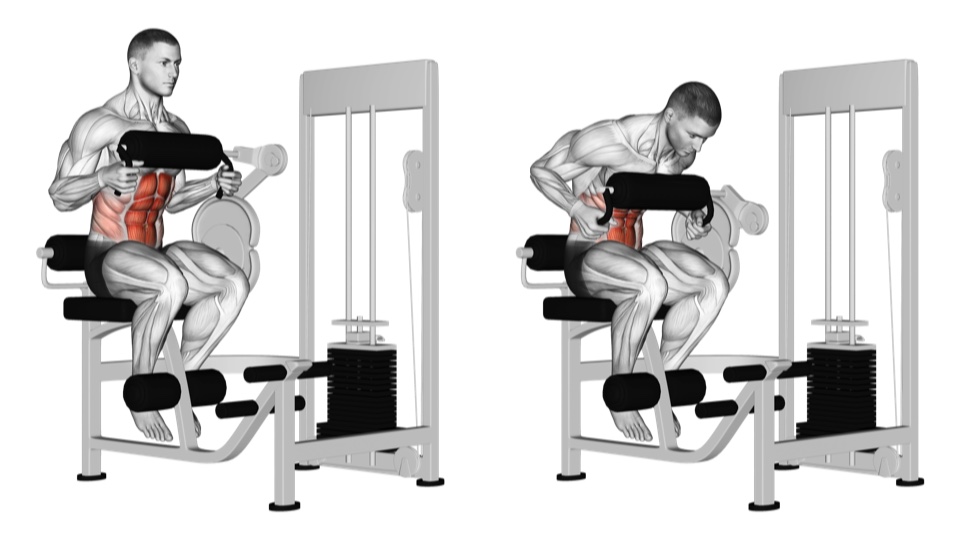
Core
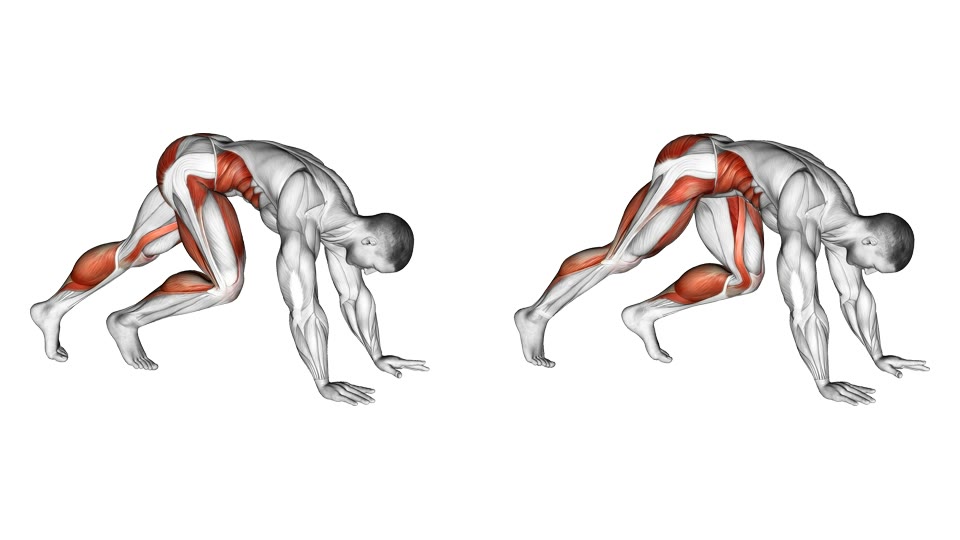
Core
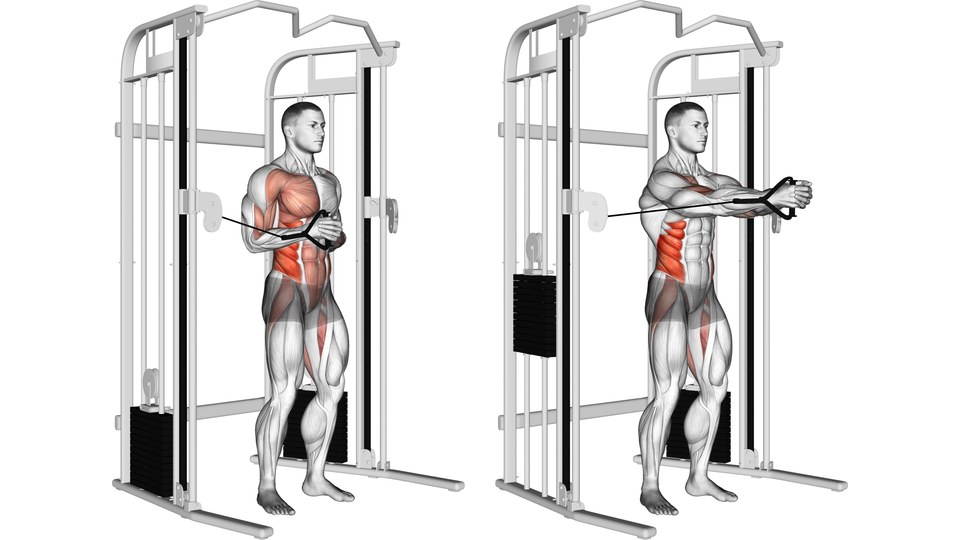
Core
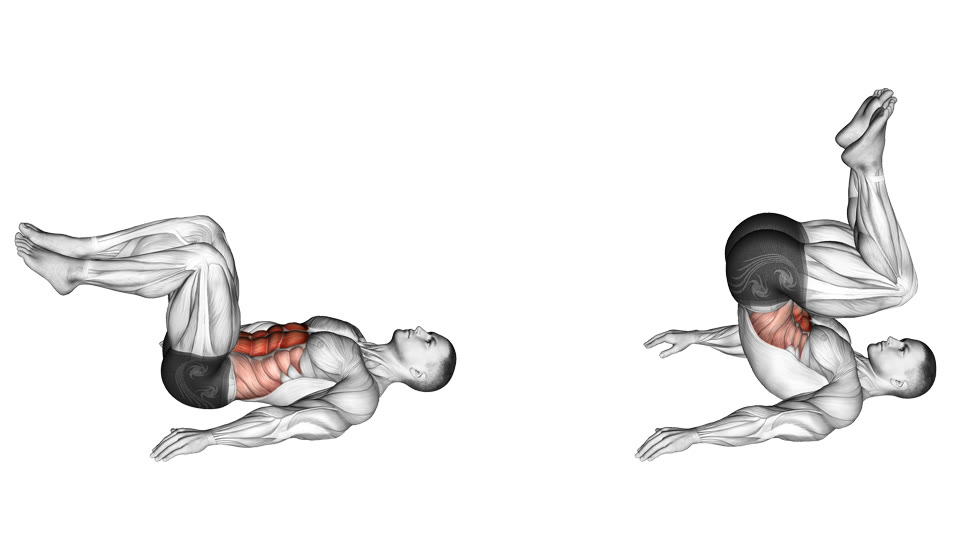
Core
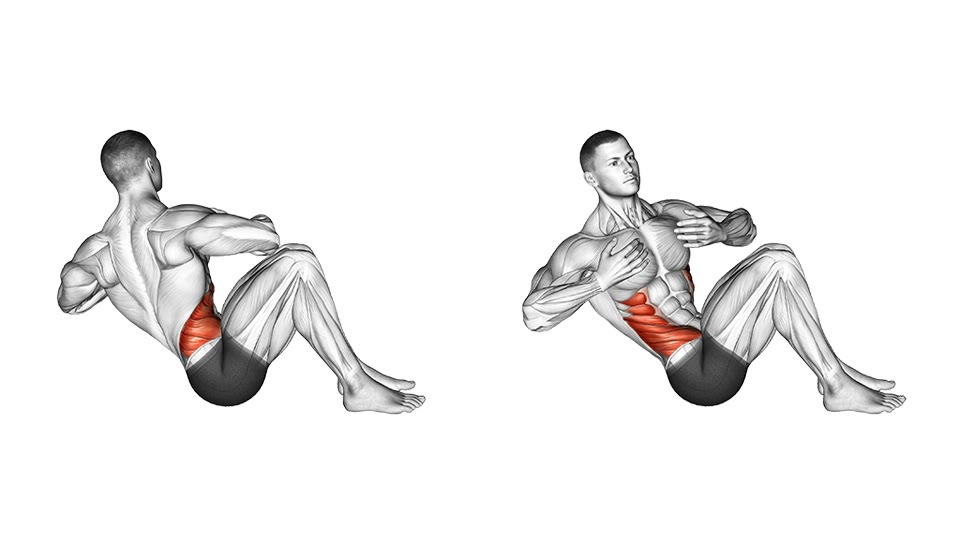
Core
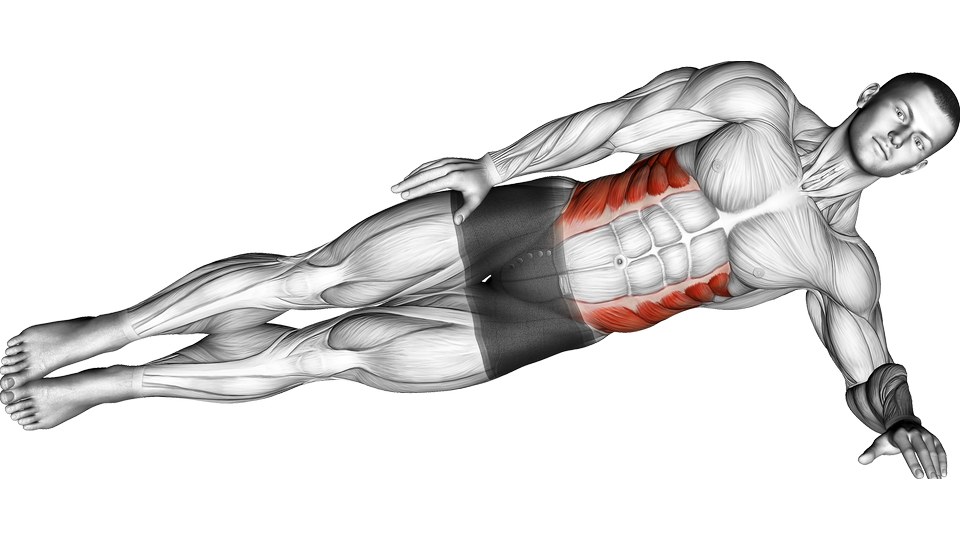
Core
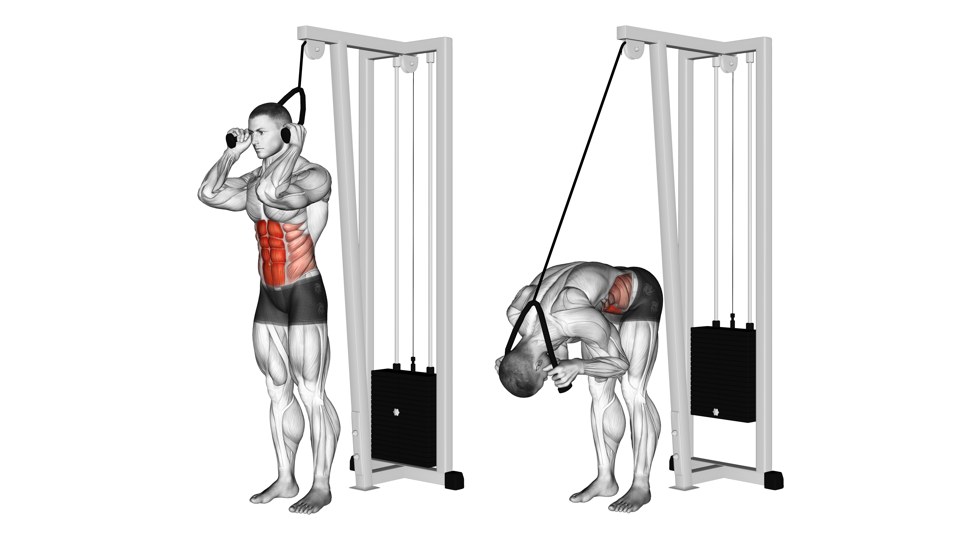
Core
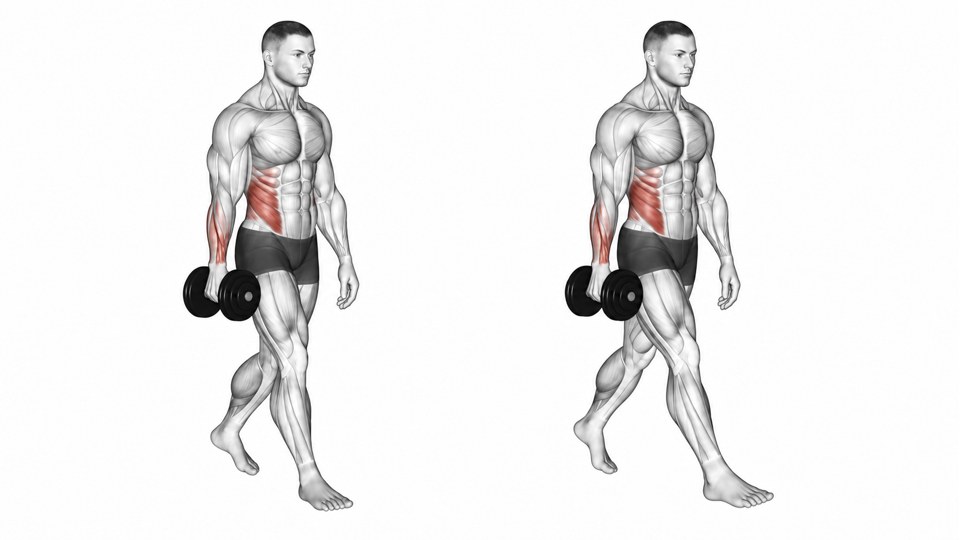
Forearms · Core
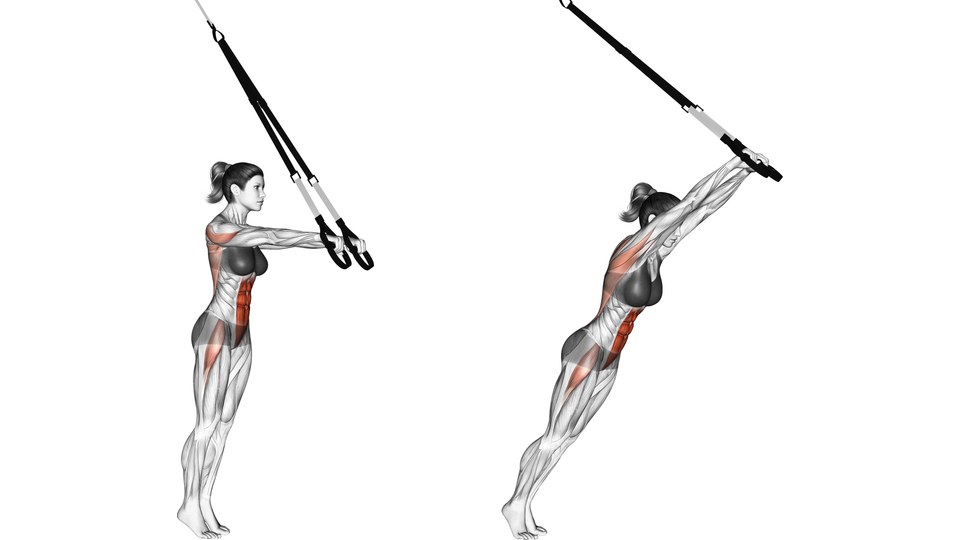
Core
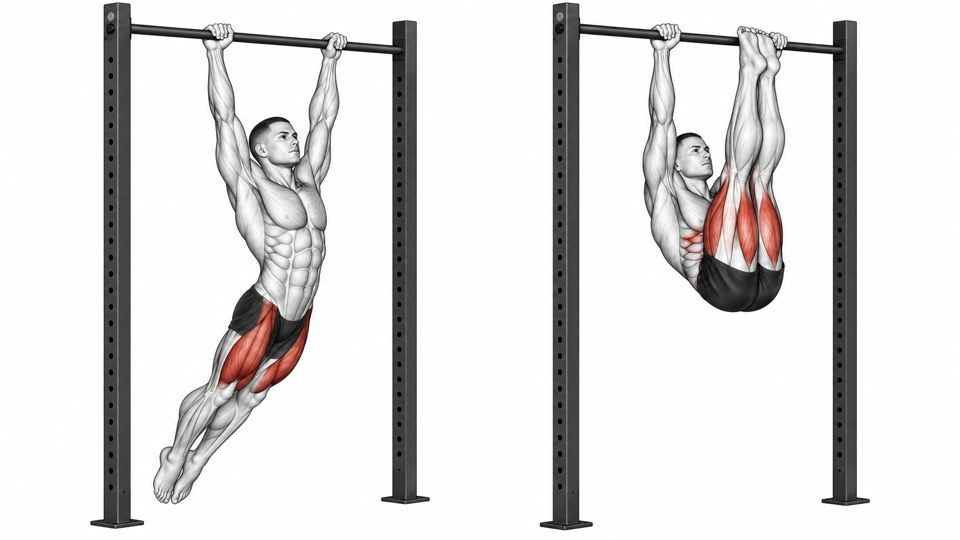
Core · Hip flexors
Most people should train each muscle with 10 to 20 hard sets a week. The number is the easy part. Counting your sets honestly is where it usually goes wrong.
Master the fundamental principle behind muscle growth and strength gains with our comprehensive guide for anyone who wants real results.
They both train abdominal muscles, but planks hold a position while crunches move the trunk. Choose according to the action your workout needs.
No. Hip flexors raise the thighs, while abdominal work depends on the pelvic and trunk action. Open the individual guide to see the movement being described.
Log every set, see plate loading in context, and track your strength over time. Available on iOS and Android.