Decline sit-up
Also called decline bench sit-up.
What is a decline sit-up?
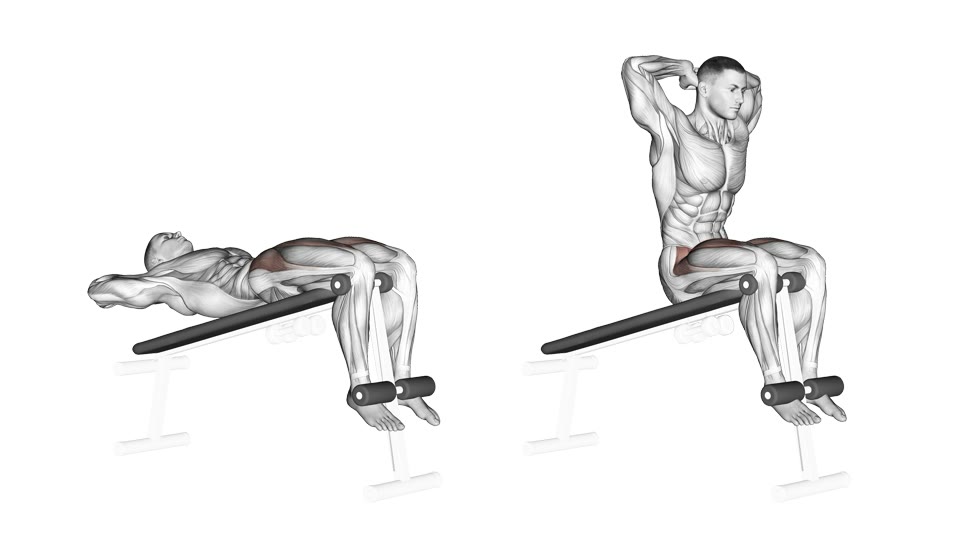
A decline sit-up is a full sit-up performed on a bench that slopes away from the hips. With the lower legs secured, you raise the torso toward upright and lower it back under control, training the abdominal muscles and hip flexors.
How do you perform a decline sit-up?
Set up
- Set the decline to an angle you can control, secure your lower legs and sit with your hips supported on the bench.
- Lower your torso onto the pad and place the hands lightly behind the head or across the chest without pulling on the neck.
Execution
- Curl the upper trunk from the bench, then continue raising the torso toward upright.
- Keep the movement smooth and stop before using an arm swing or jerking against the leg pads.
- Lower the spine and torso back to the bench under control before the next repetition.
Common mistakes
Starting with an angle that is too steep
Reduce the decline until you can complete the full repetition without bouncing or pulling on the head.
Yanking on the neck
Keep the hands light or cross the arms over the chest so the trunk, not the arms, starts the movement.
Falling back to the bench
Control the return so every repetition ends in the same supported position.
Where it fits in a session
Use it with other trunk work after the main exercises.
Choose a decline and repetition range that let you lower without dropping or using momentum.
Muscles worked
Primary
Secondary
Schematic surface view. Some muscles are partly visible or not shown.
A full decline sit-up combines spinal flexion from the abdominal muscles with hip flexion as the torso rises along the bench.
Variations
- Weighted decline sit-up — Adds a plate or dumbbell after the bodyweight range is controlled.
Frequently asked questions
What muscles do decline sit-ups work?
They use the rectus abdominis and obliques to flex the trunk, while the hip flexors contribute as the torso rises farther toward upright.
Is a decline sit-up the same as a decline crunch?
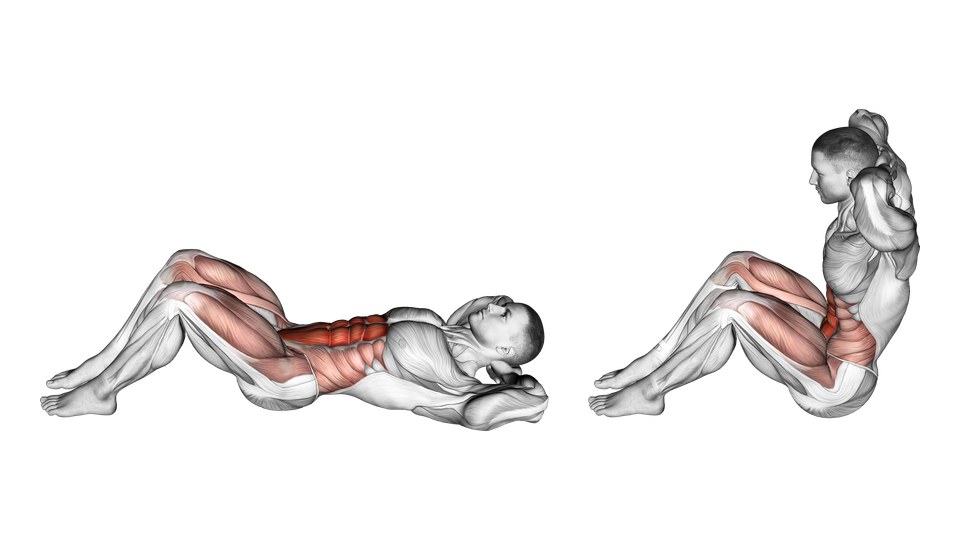
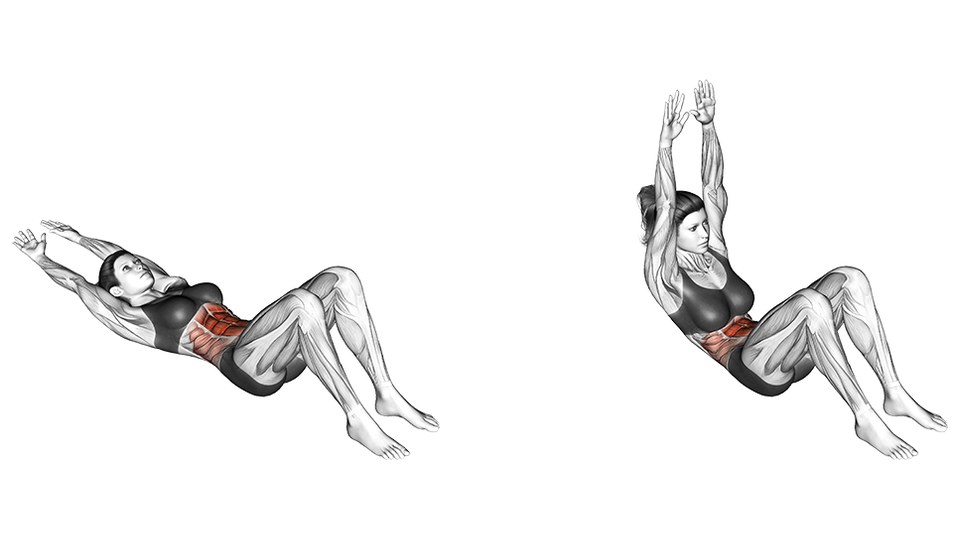
No. A crunch lifts the shoulder blades through a shorter trunk-flexion range. A sit-up continues until the torso rises much farther and hip flexion contributes more.
How steep should the bench be?
Start with a shallow decline and increase it only if you can perform the full movement without bouncing, pulling on the head or dropping backward.
Where should your hands go?
Keep them lightly behind the head without pulling, or cross the arms over the chest for an easier-to-control option.