Seated leg curl alternatives

Lying and standing leg curls preserve resisted knee flexion on a machine. Ball, suspension and Nordic curls offer other knee-flexion setups.

The seated curl secures your thighs with your hips flexed. Changing hip position, using one leg or supporting your body on a ball or straps changes the exercise’s demand.

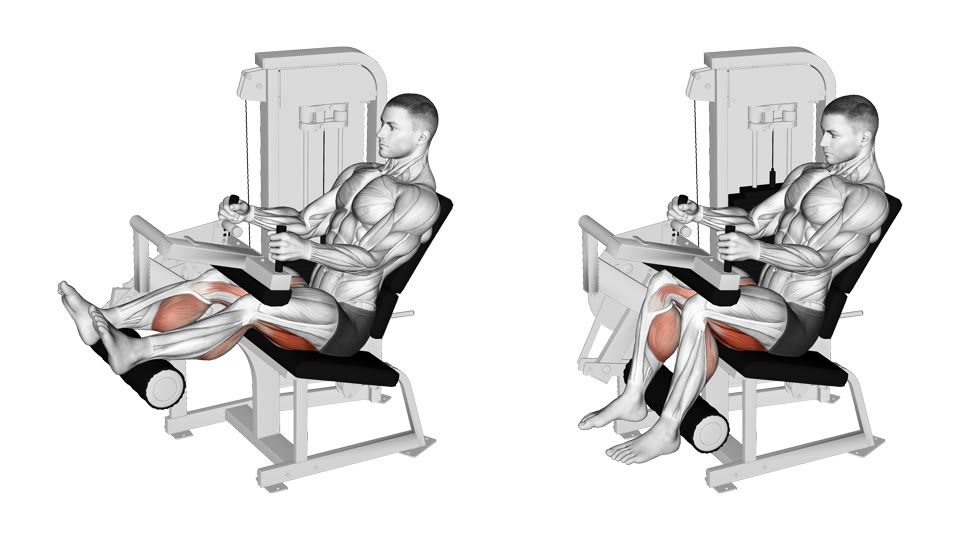
Two-frame side-view anatomical illustration of a man using a seated leg curl machine with his legs nearly straight and then bent, with the hamstrings highlighted.
What equipment can you use?

Choose everything you have. Some exercises need two items, such as dumbbells and a flat bench. Choose floor space for options without equipment.

Your replacements

Choose your equipment above to see replacements.

Compare all alternatives

These options need different equipment. Use the finder above to show only the setups you can use.

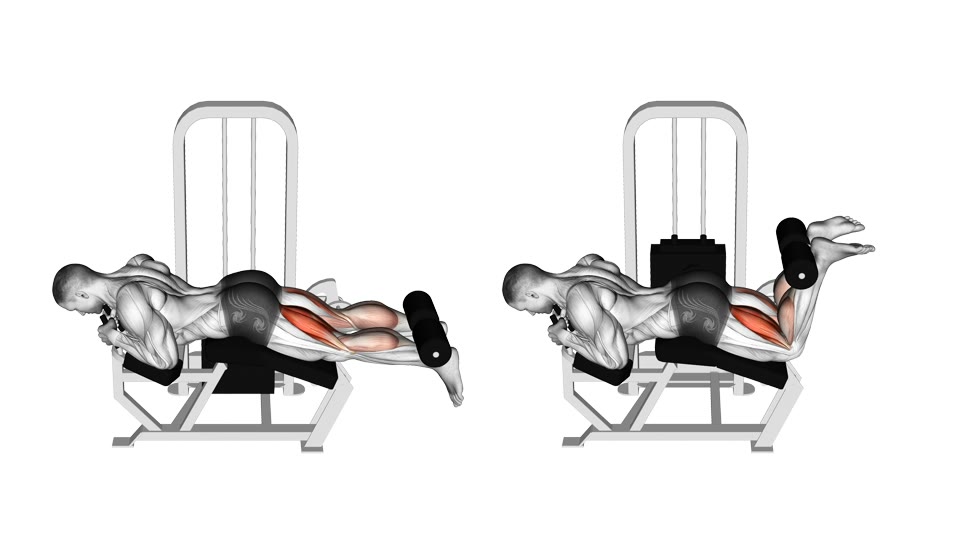
  • Two-frame side-view anatomical illustration of a man lying face down on a leg curl machine with his legs straight and then bent, with the hamstrings highlighted.

    Similar movement

    Lying leg curl

    You need: Lying leg curl machine

    Why it fits
    Keeps resisted knee flexion using a dedicated curl machine.
    What changes
    The linked guide uses a face-down machine setup with the hips extended rather than flexed in a seat. Keep the pelvis on the pad and choose a separate stack load.
    See exercise guide
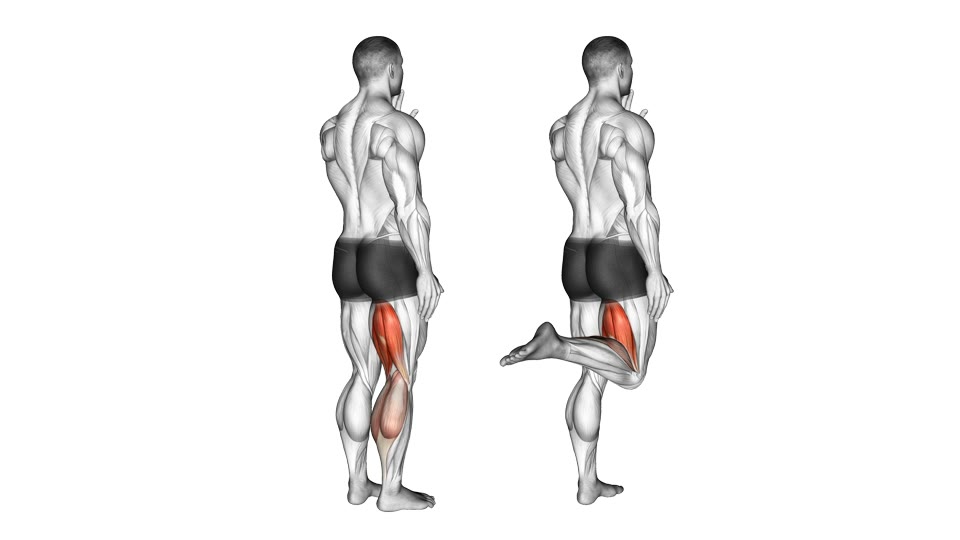
  • Two-frame rear-view anatomical illustration of a man standing on his left leg while curling his right heel upward, with the working hamstrings highlighted; resistance hardware is not shown.

    Similar movement

    Standing leg curl

    You need: Standing leg curl machine

    Why it fits
    Keeps machine-loaded knee flexion.
    What changes
    The linked guide curls one leg at a time in an upright supported setup. Hip position and loading differ; complete work on both sides.
    See exercise guide
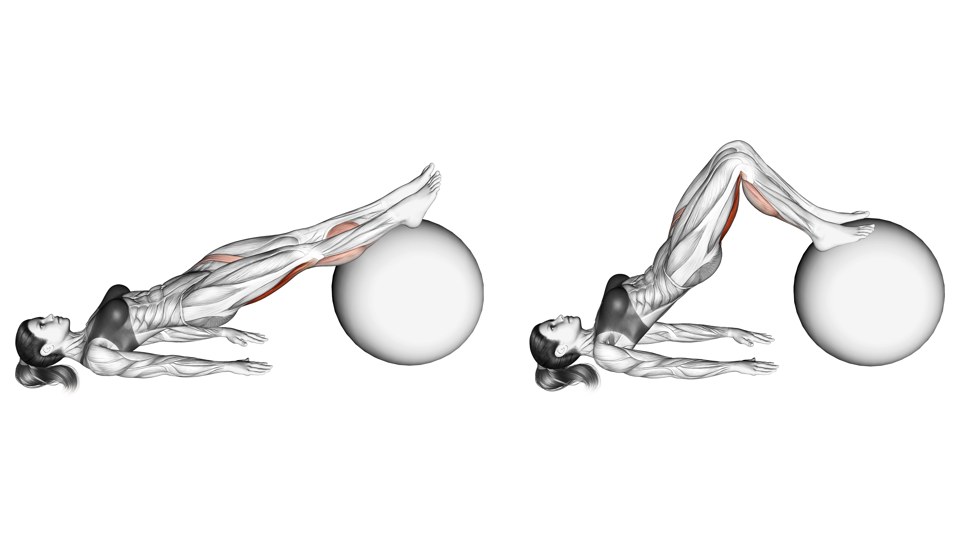
  • Anatomical illustration of a woman lying on the floor with hips raised, heels on a stability ball, legs straight and knees bent.

    Similar movement

    Swiss ball leg curl

    You need: Stability ball

    Why it fits
    Keeps knee flexion using the heels to draw a ball toward your body.
    What changes
    Your hips stay lifted while the shoulders remain on the floor. You must control the bridge and rolling ball instead of sitting beneath a thigh pad.
    See exercise guide
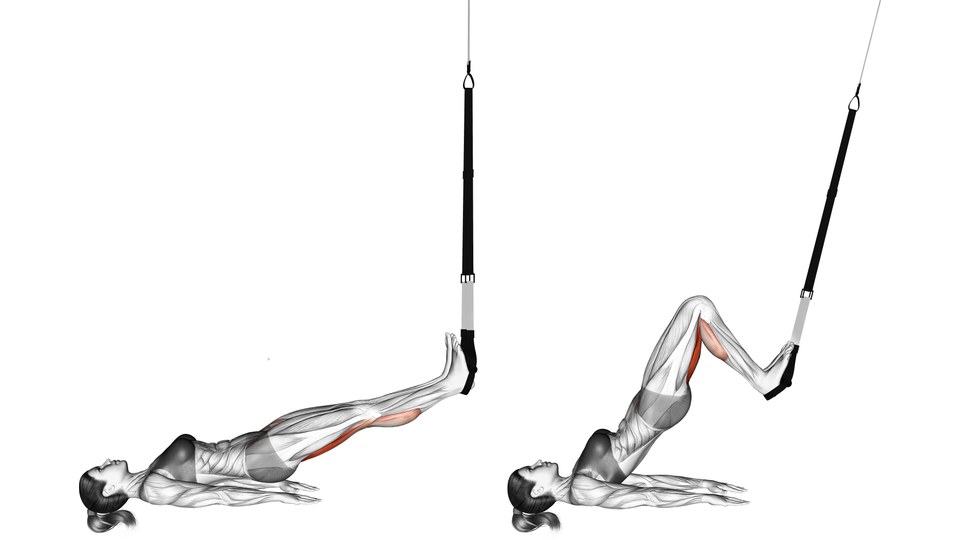
  • Two side views of a woman lying with her heels suspended, first with straight legs and raised hips, then with bent knees and the hips still lifted in line with the thighs.

    Similar movement

    Suspension hamstring curl

    You need: Suspension trainer with foot cradles + Secure suspension anchor

    Why it fits
    Keeps knee flexion with the heels supported in suspended foot cradles.
    What changes
    The torso starts on the floor and the hips stay raised as the heels move. Check the anchor; body position and strap control replace a selected machine load.
    See exercise guide
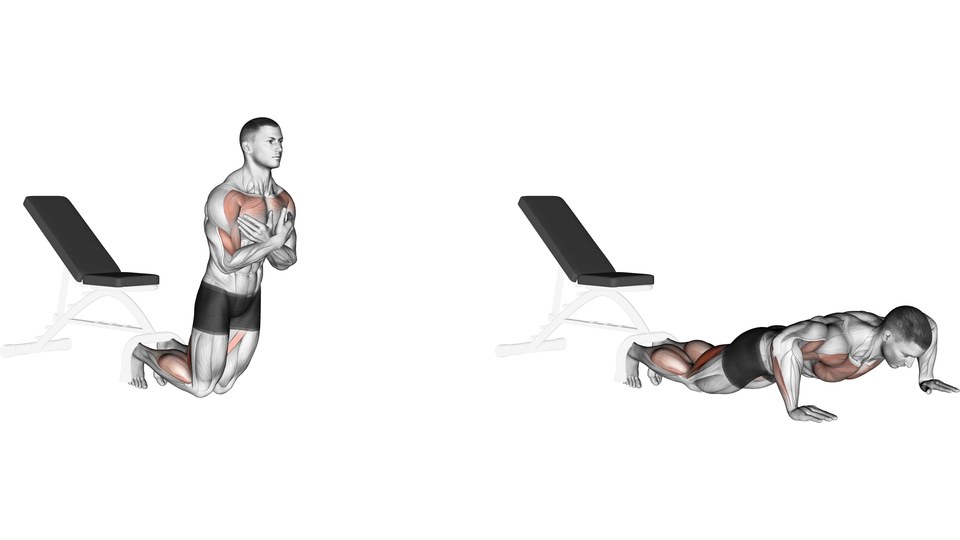
  • Anatomical illustration of a man kneeling with his ankles beneath a bench support, first upright and then leaning forward with his hands on the floor.

    Similar movement

    Nordic hamstring curl

    You need: Fixed, padded ankle anchor + Padded floor mat

    Why it fits
    Uses the hamstrings to control knee extension and bend the knees against bodyweight.
    What changes
    Kneel on padding with both ankles secured by a fixed padded anchor. Lower only within a range you control; this demanding bodyweight setup does not inherit a seated-curl repetition target.
    See exercise guide
See the original exercise guide

How we choose replacements

These are curated alternatives, chosen for the movement and the job the exercise does in a workout. A shared muscle group is not enough. Read what changes before choosing: support, range of motion, balance and resistance can all differ. If your goal is to improve a specific lift, alternatives do not replace practice of that lift.

Explore alternatives by exercise