Front plank alternatives

A dead bug offers floor-based trunk control while the limbs move. A kneeling ab-wheel rollout adds moving support, while a side plank changes to resisting sideways bending.

The original is a static forearm-and-toe hold. These options change support, movement or direction; none uses a direct conversion from plank time to repetitions.

Side-view anatomical illustration of a man holding a front plank on a white background. His forearms rest on the floor with his hands clasped, his elbows are near his shoulders, and his gaze points down. His legs are straight, his toes support the other end of the position, and his head, trunk, hips and heels form one long line. Red shading is strongest across the front and sides of the abdomen, with lighter shading over the glute area. No weight or other exercise equipment is shown.
What equipment can you use?

Choose everything you have. Some exercises need two items, such as dumbbells and a flat bench. Choose floor space for options without equipment.

Your replacements

Choose your equipment above to see replacements.

Compare all alternatives

These options need different equipment. Use the finder above to show only the setups you can use.

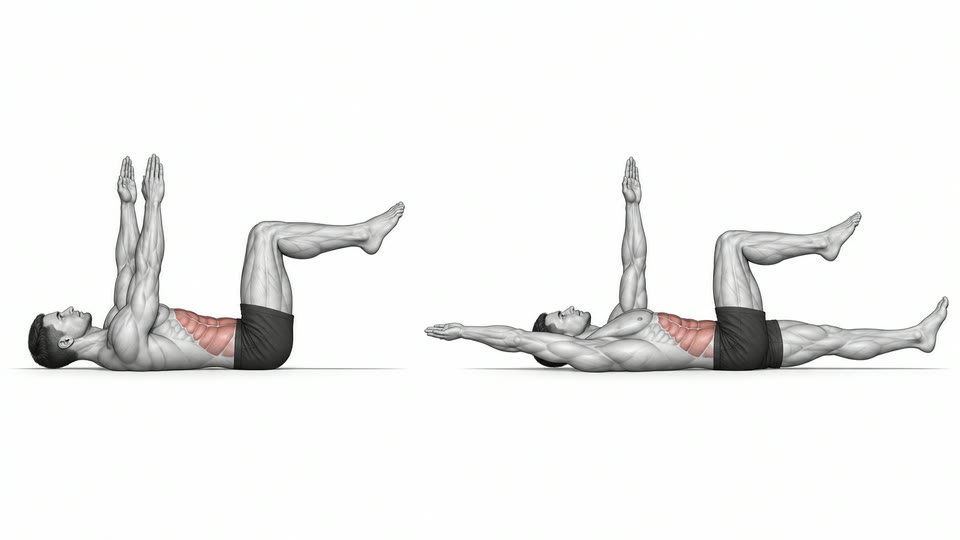
  • Anatomical illustration of a dead bug in two side-view positions: arms and knees raised at the start, then one arm overhead as the opposite leg extends, with the abdominals highlighted.

    Similar movement

    Dead bug

    You need: Floor space (no equipment)

    Why it fits
    Keeps a trunk-control task while the arms and legs move.
    What changes
    You lie on your back and alternate opposite limbs instead of holding yourself face down. Limit each reach to a range where the lower back stays against the floor and keep breathing.
    See exercise guide
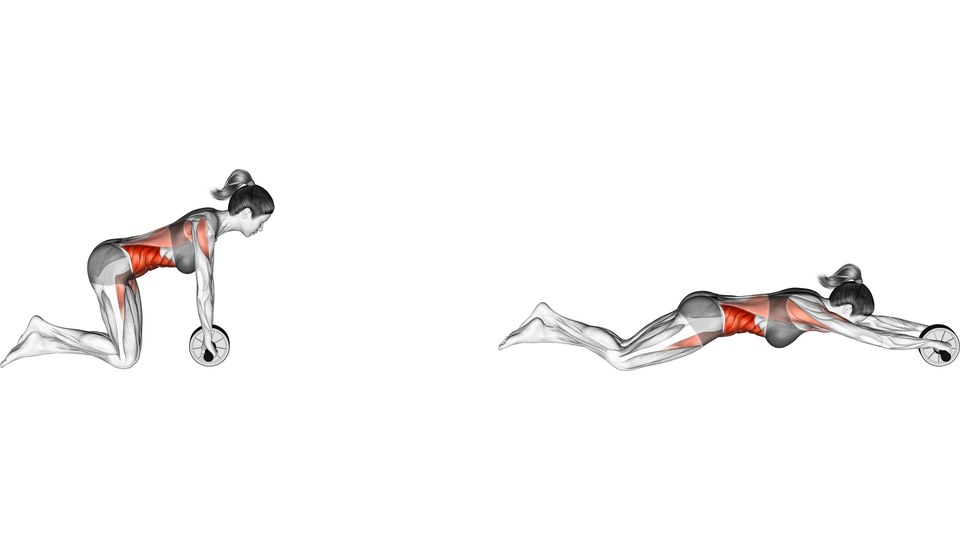
  • Anatomical illustration of a woman kneeling with an ab wheel, shown near the knees and then rolled forward with her arms extended and torso close to the floor.

    Similar movement

    Ab-wheel rollout

    You need: Ab wheel with two handles + Padded floor mat

    Why it fits
    Keeps abdominal work aimed at preventing the lower back from sagging.
    What changes
    The linked guide kneels on padding and moves a wheel forward and back. This can be demanding; stop before losing trunk control and start with a short range rather than copying plank duration.
    See exercise guide
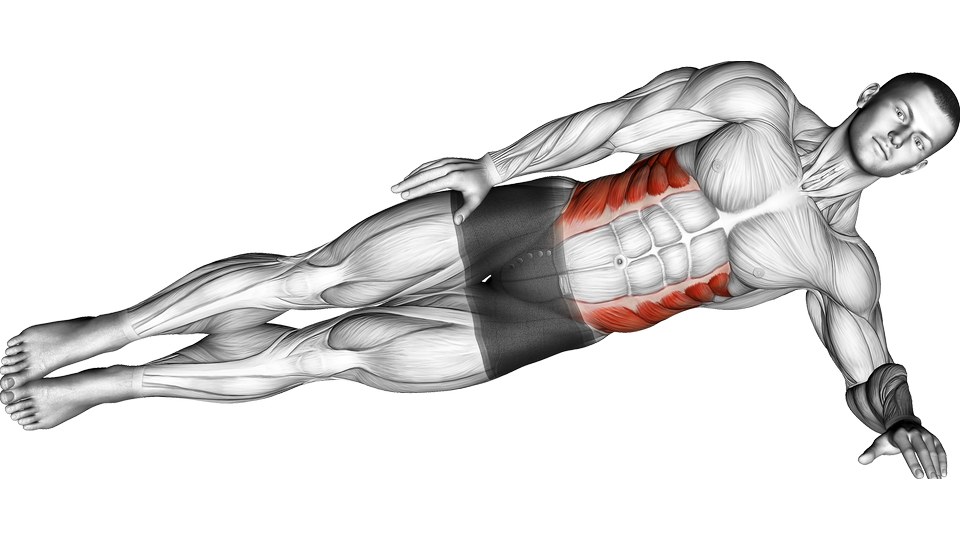
  • Anatomical illustration of a forearm side plank, with a straight body line and the side of the abdomen highlighted.

    Different movement

    Side plank

    You need: Floor space (no equipment)

    Why it fits
    Offers a bodyweight trunk hold with a different direction of support.
    What changes
    One forearm and the side of one foot support you while you resist sideways bending. Complete holds on both sides; this does not preserve the front plank’s face-down support.
    See exercise guide
See the original exercise guide

How we choose replacements

These are curated alternatives, chosen for the movement and the job the exercise does in a workout. A shared muscle group is not enough. Read what changes before choosing: support, range of motion, balance and resistance can all differ. If your goal is to improve a specific lift, alternatives do not replace practice of that lift.

Explore alternatives by exercise