Hanging leg raise alternatives

Hanging knee raises keep a suspended leg-raising action with a shorter lever. Lying leg raises remove the hang, and reverse or cable crunches offer broader trunk-flexion options.

The original combines hip flexion, a pelvic curl and hanging support. Compare which parts the replacement preserves; floor work removes the grip requirement and a cable crunch does not raise the legs.

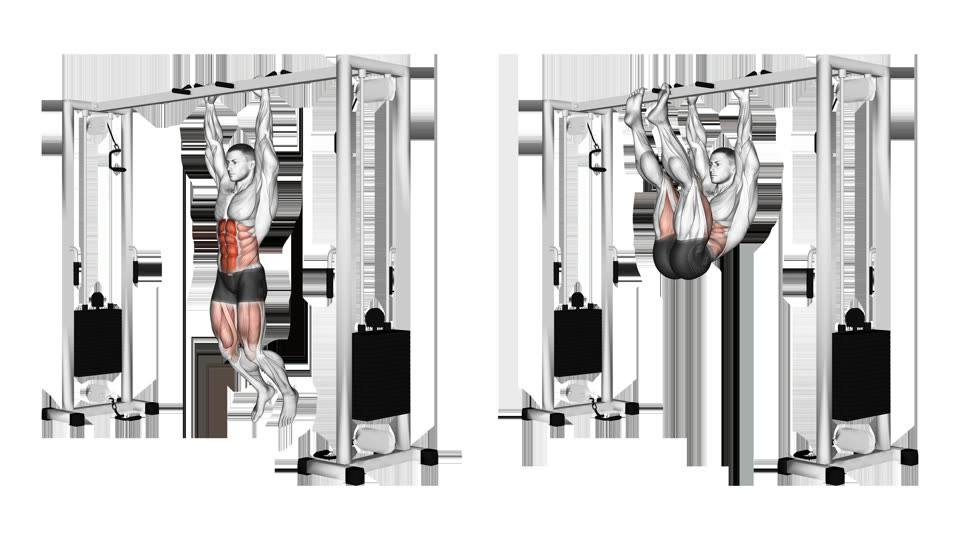
Anatomical illustration of a straight-leg hanging leg raise shown from a dead hang to feet near the bar, with the abdominal wall and hip flexors highlighted.
What equipment can you use?

Choose everything you have. Some exercises need two items, such as dumbbells and a flat bench. Choose floor space for options without equipment.

Your replacements

Choose your equipment above to see replacements.

Compare all alternatives

These options need different equipment. Use the finder above to show only the setups you can use.

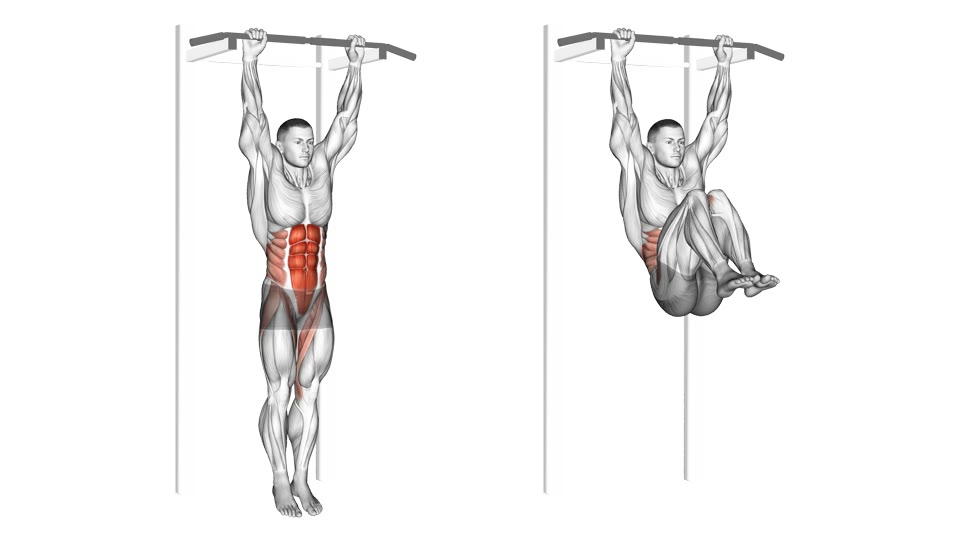
  • Two-frame front-view anatomical illustration of a man hanging from a pull-up bar with straight arms, then drawing both bent knees toward his chest, with the abdominal wall and hip flexors highlighted.

    Similar movement

    Hanging knee raise

    You need: Pull-up bar

    Why it fits
    Keeps a hanging raise with a controlled pelvic curl.
    What changes
    The knees bend instead of keeping the legs straight, shortening the lever. You still need secure grip and a quiet hang; lift without kicking or swinging.
    See exercise guide
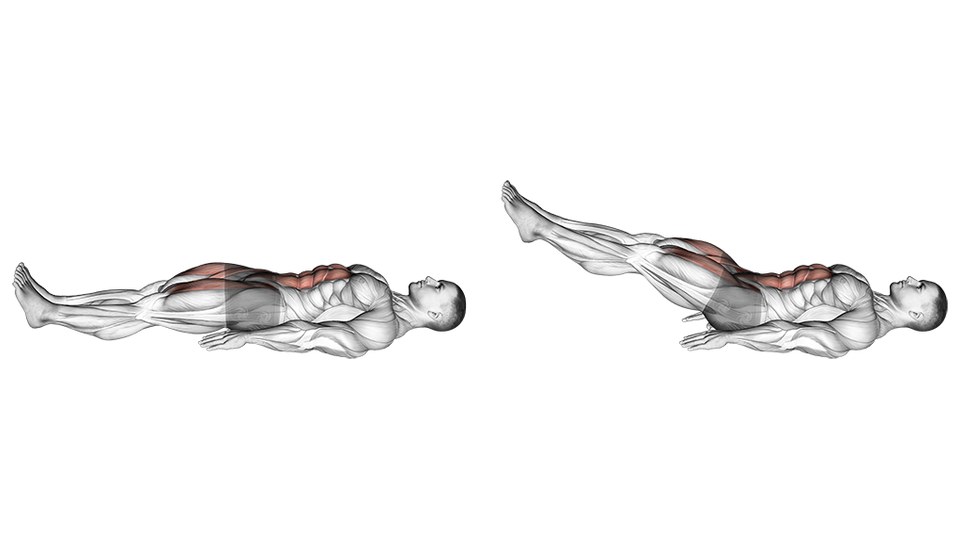
  • Two frames of an anatomical figure lying face up on the floor, side by side on a white background, with no equipment drawn. In the left frame the legs are straight and together, resting flat on the floor with the arms down at the sides. In the right frame the same figure has raised both straight legs together to roughly thirty degrees above the floor, well short of vertical, with the hands flat on the floor beside the hips. In both frames the abdominal wall along the front and side of the torso is shaded red; the hip flexors at the front of the hip are not coloured.

    Similar movement

    Lying leg raise

    You need: Floor space (no equipment)

    Why it fits
    Keeps repeated leg raising while removing the hanging support.
    What changes
    Your back and head rest on the floor. The linked guide raises the legs without a hanging pelvic-curl finish; stop lowering before the lower back lifts from the floor.
    See exercise guide
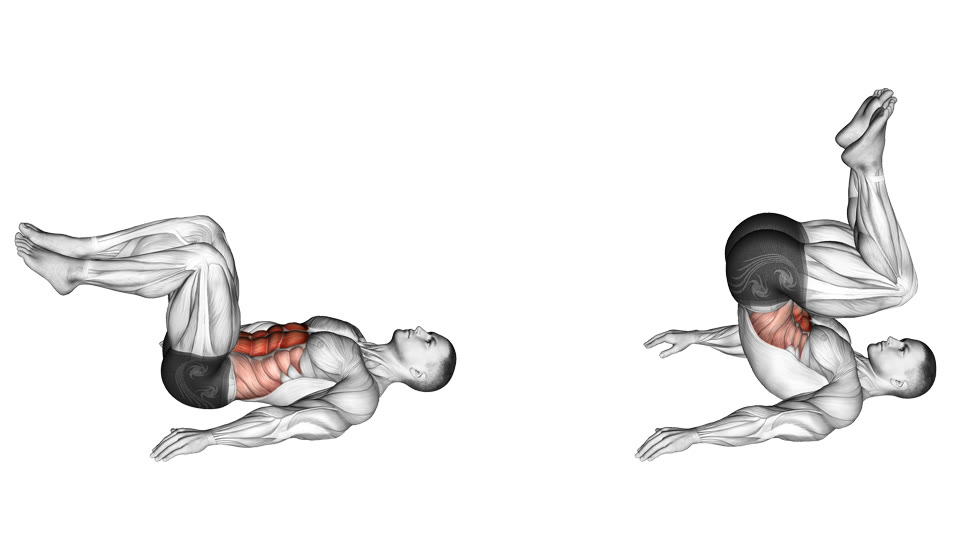
  • Two-frame side-view illustration of a man lying on his back with bent knees, then curling his pelvis so his hips lift and his knees travel toward his chest, with the abdominal wall highlighted.

    Different movement

    Reverse crunch

    You need: Floor space (no equipment)

    Why it fits
    Keeps a controlled pelvic curl for a broader abdominal-training slot.
    What changes
    The upper back rests on the floor and the knees stay bent. Lift the hips a small distance by curling the pelvis instead of raising straight legs from a hang.
    See exercise guide
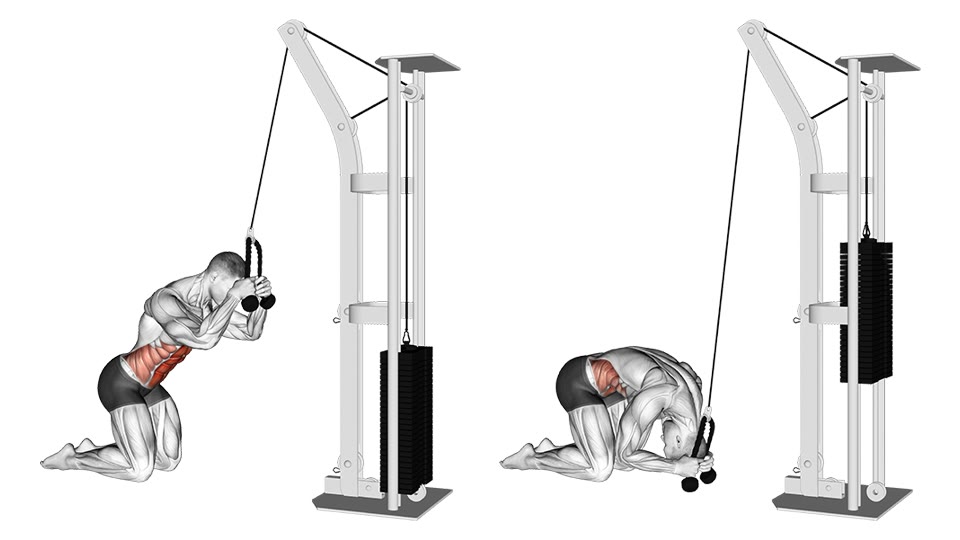
  • Anatomical illustration of a kneeling cable crunch before and after the torso curls forward, with the abdominal muscles highlighted.

    Different movement

    Cable crunch

    You need: Adjustable cable pulley set high + Cable rope attachment + Padded floor mat

    Why it fits
    Offers loaded trunk flexion without needing to hang from a bar.
    What changes
    The linked guide kneels and curls the ribs toward the pelvis against a rope. It has no leg-raising or grip-support component, so it is a broader trunk-flexion option.
    See exercise guide
See the original exercise guide

How we choose replacements

These are curated alternatives, chosen for the movement and the job the exercise does in a workout. A shared muscle group is not enough. Read what changes before choosing: support, range of motion, balance and resistance can all differ. If your goal is to improve a specific lift, alternatives do not replace practice of that lift.

Explore alternatives by exercise