Face pulls alternatives

A seated face pull keeps the rope-to-face pull and rotation with a bench setup. Rear delt flyes, cable rear delt flyes and a reverse pec deck offer broader rear-shoulder options.

Choose the seated version when the rope pull and external-rotation finish matter. The fly options keep wide-arm rear-shoulder work but do not reproduce that rotation.

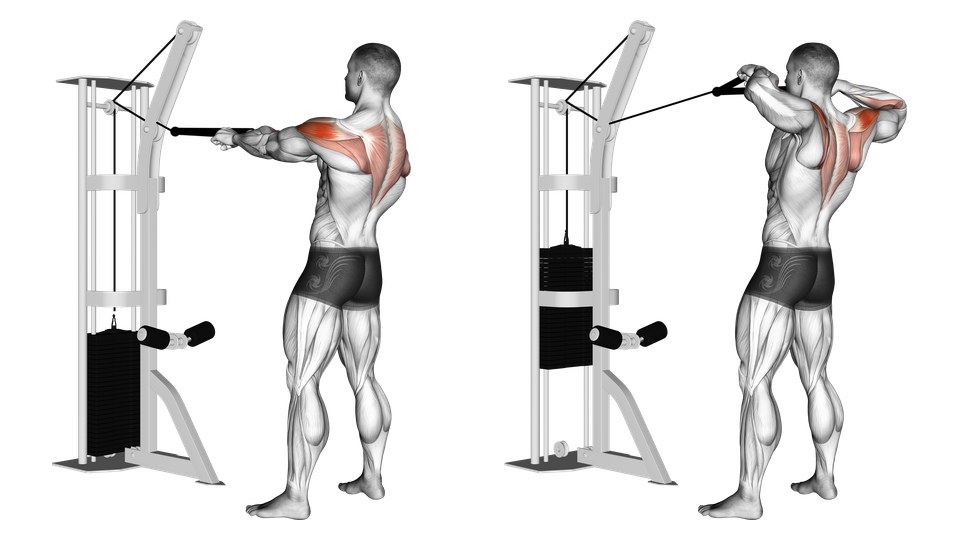
Anatomical illustration of a standing rope face pull shown before and after the pull, with the rear shoulders and upper back highlighted.
What equipment can you use?

Choose everything you have. Some exercises need two items, such as dumbbells and a flat bench. Choose floor space for options without equipment.

Your replacements

Choose your equipment above to see replacements.

Compare all alternatives

These options need different equipment. Use the finder above to show only the setups you can use.

  • Similar movement

    Seated face pull

    You need: Adjustable cable pulley at seated face height + Cable rope attachment + Flat bench

    Why it fits
    Keeps a rope-to-face pull with the elbows opening out and the forearms rotating upward.
    What changes
    Sit upright on a bench and set the pulley around seated face height. Keep the feet planted and avoid leaning backward; the seated starting position differs from a standing face pull.
    See exercise guide
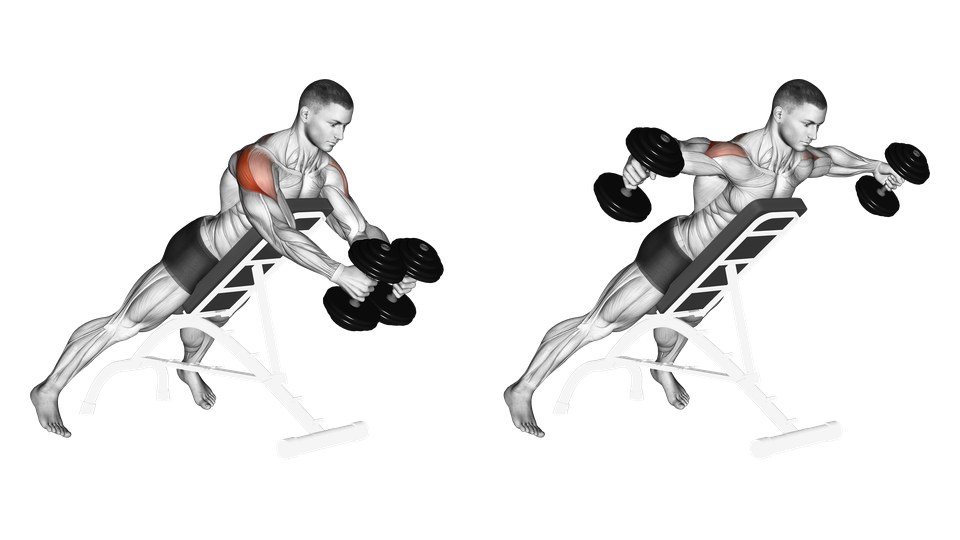
  • Anatomical illustration of a man lying chest-down on an incline bench and raising dumbbells out to the sides, with the rear shoulders highlighted.

    Different movement

    Rear delt fly

    You need: Dumbbells + Adjustable bench with incline and upright settings

    Why it fits
    Can fill a broader rear-shoulder training slot with chest-supported wide-arm movement.
    What changes
    The linked guide lies chest-down on an incline bench. Keep a small fixed elbow bend; there is no rope-to-face pull or deliberate external-rotation finish.
    See exercise guide
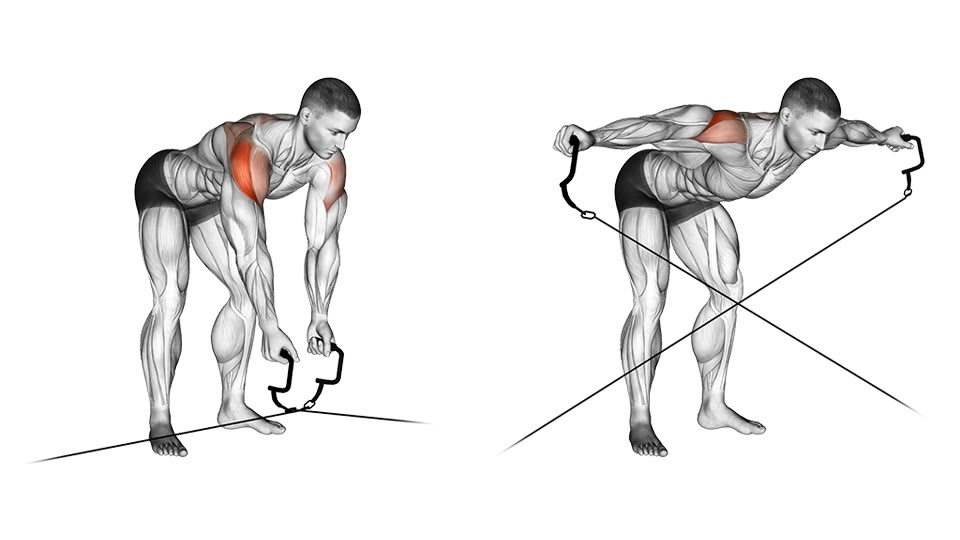
  • Anatomical illustration of a bent-over cable rear delt fly before and after the handles move wide, with the rear shoulders highlighted.

    Different movement

    Cable rear delt fly

    You need: Two adjustable cable pulleys set low + Pair of single cable handles

    Why it fits
    Offers wide-arm rear-shoulder work using cable resistance.
    What changes
    The linked guide uses crossed low cables while holding a hip hinge. Both pulleys and handles are needed; the arm arc does not copy the face pull’s rotation.
    See exercise guide
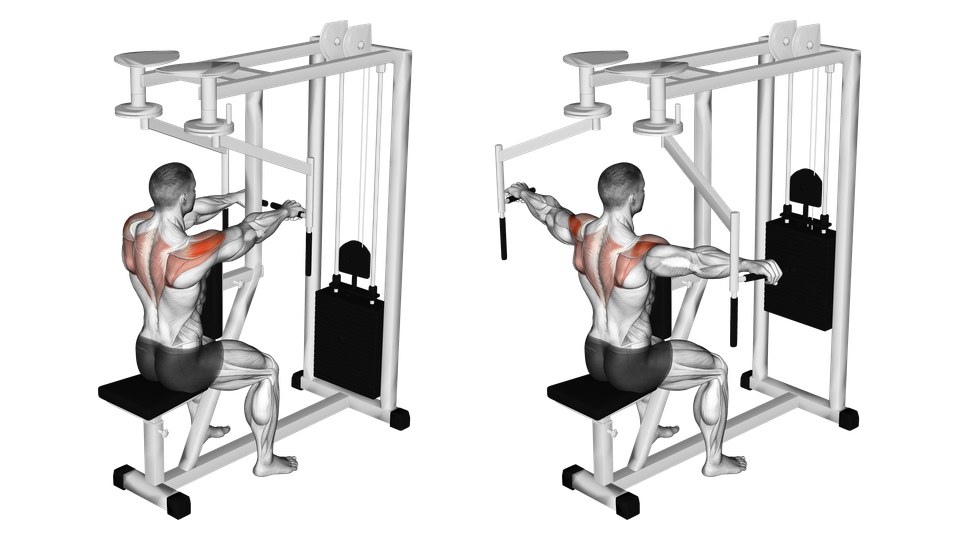
  • Anatomical illustration from behind of a man opening the handles of a reverse pec-deck machine, with the rear shoulders and upper back highlighted.

    Different movement

    Reverse pec deck

    You need: Reverse pec deck with chest pad and handles

    Why it fits
    Offers supported wide-arm rear-shoulder work on a machine.
    What changes
    You face a chest pad and open handles with nearly fixed elbows. The guided fly changes both the arm action and rotation compared with pulling a rope to the forehead.
    See exercise guide
See the original exercise guide

How we choose replacements

These are curated alternatives, chosen for the movement and the job the exercise does in a workout. A shared muscle group is not enough. Read what changes before choosing: support, range of motion, balance and resistance can all differ. If your goal is to improve a specific lift, alternatives do not replace practice of that lift.

Explore alternatives by exercise