Hip abduction alternatives

Standing cable hip abduction preserves sideways leg movement. A clamshell offers a broader floor-based option when the seated machine and low-cable setup are unavailable.

The original pushes both thighs apart against seated pads. A standing cuff changes balance and side counting; a clamshell opens a bent knee with the feet together and is a different movement.

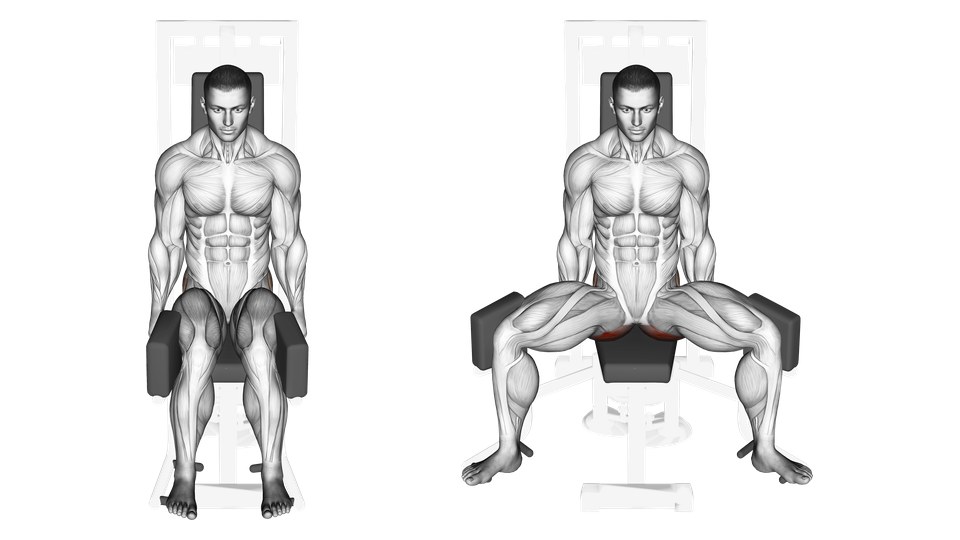
Anatomical illustration of a man seated on a hip abduction machine with the legs together and apart, with the outer hips highlighted.
What equipment can you use?

Choose everything you have. Some exercises need two items, such as dumbbells and a flat bench. Choose floor space for options without equipment.

Your replacements

Choose your equipment above to see replacements.

Compare all alternatives

These options need different equipment. Use the finder above to show only the setups you can use.

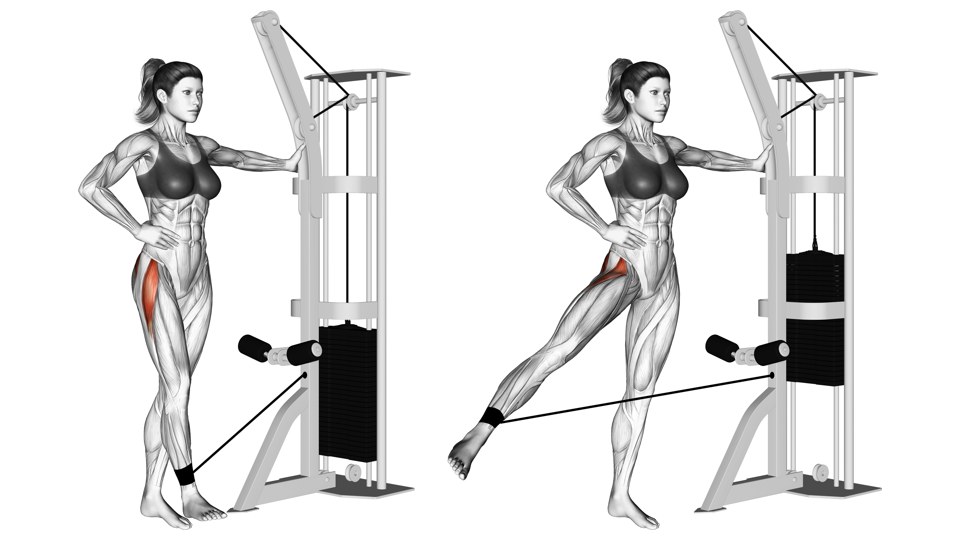
  • Two front-oblique views of a woman holding a cable machine, first with the cuffed leg near the standing leg, then lifted sideways. The outer hip and upper outer thigh are shaded red.

    Similar movement

    Cable hip abduction

    You need: Adjustable cable pulley set low + Cable ankle cuff + Stable support to hold for balance

    Why it fits
    Keeps moving a leg sideways against resistance.
    What changes
    One ankle cuff replaces the two seated knee pads. Stand side-on, hold a stable support and move the far leg without leaning or hiking the pelvis; change sides after the set.
    See exercise guide
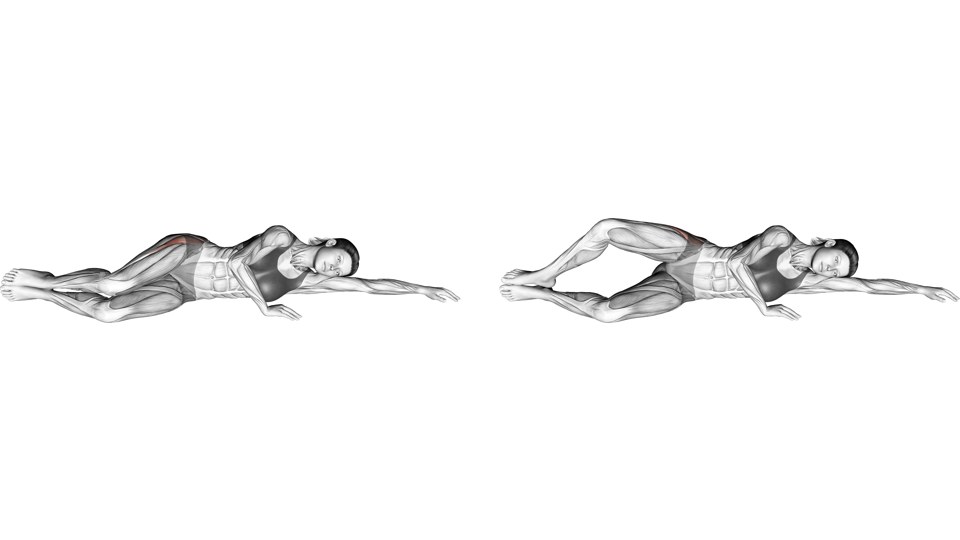
  • Two front-oblique views of a woman lying on her side with bent knees and feet together, first with the knees stacked, then with the upper knee opened. The upper outer hip is shaded.

    Different movement

    Clamshell

    You need: Padded floor mat

    Why it fits
    Offers a floor-based outer-hip exercise when the machine is unavailable.
    What changes
    Lie on one side with bent hips and knees, keep the feet together and open the upper knee without rolling the pelvis. This adds hip rotation instead of copying the seated machine’s thigh separation.
    See exercise guide
See the original exercise guide

How we choose replacements

These are curated alternatives, chosen for the movement and the job the exercise does in a workout. A shared muscle group is not enough. Read what changes before choosing: support, range of motion, balance and resistance can all differ. If your goal is to improve a specific lift, alternatives do not replace practice of that lift.

Explore alternatives by exercise